


Requirements
- There are no formal requirements for this course, it is open to anyone who is interested in learning the material.
Great structures begin with smart engineering. Discover how buildings and bridges carry loads, resist forces and maintain stability. Build your understanding of structural analysis, design principles and the science behind modern construction.
A new pedestrian bridge looks elegant on paper, but will its beams safely carry the people crossing it? What happens when wind, weight and movement act together? The Structural Engineering Level 3 Diploma introduces the principles behind safe structural design, helping you understand how engineers analyse loads, materials and supporting systems.
Structural engineering starts with understanding how forces act on buildings and other structures. You’ll explore construction materials, statics, mechanics of materials and the behaviour of beams, columns and frames. Learn how loads travel through structural components and why strength, stiffness and stability all matter when evaluating the performance of a design.
Engineers use different analysis approaches depending on how a structure is supported and connected. The course introduces determinate and indeterminate systems, structural design principles and the behaviour of individual elements. You’ll also examine vibration, dynamic loading and advanced structural topics, bringing together analytical concepts used across construction and civil engineering.
This CPD-accredited Structural Engineering Level 3 Diploma brings the topics together through a dedicated structural engineering project. Designed for aspiring technicians, construction learners and engineering enthusiasts, it offers flexible online study of structural behaviour and design thinking. Build your confidence with essential concepts that support further learning in the built environment.
What You’ll Learn to Put Into Action
- Understand fundamental structural engineering concepts and applications.
- Identify common construction materials and their engineering properties.
- Explain forces, equilibrium, stress, strain and the mechanics of materials.
- Analyse basic statically determinate structures using equilibrium principles.
- Understand how indeterminate structures behave under different loading conditions.
- Explore structural design principles, safety, stability and serviceability.
- Recognise the functions of beams, columns, slabs, connections and foundations.
- Understand structural dynamics, vibration and the effects of moving loads.
- Explore advanced structural analysis and modern engineering considerations.
- Apply theoretical knowledge to introductory structural engineering project scenarios.
Who Is This Course For?
- Beginners interested in structural engineering and construction design.
- Aspiring structural engineers and civil engineering students.
- Construction technicians seeking to strengthen their technical knowledge.
- Civil engineering assistants and support staff.
- CAD technicians and structural drafting enthusiasts.
- Building design and architectural technology learners.
- Construction supervisors interested in structural behaviour.
- Site engineers and engineering support employees.
- Property development and construction management professionals.
- Individuals preparing for further engineering education.
- Career changers exploring structural and civil engineering.
- Professionals interested in CPD-accredited structural engineering training.
Career Path
Structural engineering knowledge is valuable across building design, infrastructure, civil engineering, construction consultancy and technical drafting. Learners may explore entry-level technician opportunities or pursue further education in structural analysis and engineering design. With relevant qualifications and experience, professionals can progress into structural design, project engineering and specialist consultancy roles. The following are indicative UK annual salary ranges for related careers.
- Building Technician: Approximately £24,000–£40,000 per year.
- CAD Technician: Approximately £24,000–£42,000 per year.
- Civil Engineering Technician: Approximately £26,000–£42,000 per year.
- Structural Engineer: Approximately £24,000–£55,000 per year.
- Civil Engineer: Approximately £29,000–£63,000 per year.
Why Choose Our Structural Engineering Level 3 Diploma?
- CPD-accredited online training.
- CPD-accredited certificate available upon successful completion.
- 24/7 access to course materials for lifetime learning.
- Study at your own pace.
- Ten structured modules covering structural engineering principles.
- No hidden fees or exam charges.
- Online assessment with instant results.
- Full tutor support on weekdays (Monday – Friday).
What the Course Covers
Module 1: Introduction to Structural Engineering
Structural engineering focuses on understanding how buildings, bridges and other structures safely resist forces and support loads. This introductory module explores the purpose of structural engineering, its relationship with civil engineering and the responsibilities involved in structural design. You’ll examine different structural systems, common engineering terminology and the basic principles of strength, stability and serviceability. The lessons also introduce structural loads, design considerations and the importance of engineering judgement in construction projects.
Module 2: Materials in Structural Engineering
The performance of a structure depends heavily on the properties of its construction materials. This module introduces structural steel, concrete, reinforced concrete, timber, masonry and other commonly used materials. You’ll explore strength, stiffness, elasticity, ductility, durability and how materials behave under different forces. The lessons also examine material selection, environmental exposure, common failure mechanisms and the relationship between material properties and structural design requirements.
Module 3: Statics and Mechanics of Materials
Statics and mechanics of materials provide the foundations for understanding structural behaviour. This module explores forces, moments, equilibrium conditions and the relationship between external loads and internal structural responses. You’ll examine stress, strain, deformation, axial loading, bending and shear. The lessons also introduce free-body diagrams, support reactions and fundamental calculation principles, helping you understand how different forces influence the performance and stability of engineering components.
Module 4: Analysis of Determinate Structures
Statically determinate structures can be analysed using the equations of equilibrium without requiring additional compatibility equations. This module introduces the behaviour of simply supported beams, basic trusses and other determinate structural arrangements. You’ll explore calculating support reactions, identifying internal forces and interpreting shear force and bending moment diagrams. The lessons also examine load paths, structural stability and how equilibrium principles help explain the response of different structural systems.
Module 5: Analysis of Indeterminate Structures
Many engineering structures contain additional supports or connections that make their analysis more complex. This module introduces statically indeterminate structures and explains why equilibrium equations alone are insufficient to determine every reaction and internal force. You’ll explore structural compatibility, stiffness, deformation and force distribution in continuous beams and frames. The lessons also introduce common analytical approaches and examine how support conditions and structural continuity influence overall behaviour.
Module 6: Structural Design
Structural design brings together analysis, material selection and engineering requirements to develop suitable structural solutions. This module introduces design loads, load combinations, limit states, safety considerations and serviceability requirements. You’ll examine how engineers approach design decisions, evaluate structural performance and consider relevant UK building regulations and Eurocodes. The lessons also explore structural efficiency, durability, stability and the importance of clear specifications and consistent design documentation.
Module 7: Design of Structural Elements
Individual structural elements work together to transfer loads safely through a building or other engineered structure. This module introduces the design principles associated with beams, columns, slabs, structural connections and foundations. You’ll explore how different elements respond to bending, compression, tension and shear. The lessons also consider material selection, cross-sectional properties, stability, deflection and the relationship between component design and the performance of the overall structural system.
Module 8: Structural Dynamics
Structures may experience changing forces caused by wind, machinery, moving vehicles and other dynamic influences. This module introduces structural dynamics, including vibration, natural frequency, damping and resonance. You’ll explore the differences between static and dynamic loads and how structures respond to movement over time. The lessons also examine introductory dynamic analysis, the influence of mass and stiffness and the importance of considering vibrations in structural performance.
Module 9: Advanced Topics in Structural Engineering
Modern structural engineering involves increasingly complex analytical methods, material technologies and performance requirements. This module introduces advanced structural concepts, including numerical analysis, finite element modelling, stability considerations and structural optimisation. You’ll explore how engineers evaluate complex systems, assess structural responses and consider sustainability in construction design. The lessons also examine emerging engineering methods, structural monitoring and the importance of continued technical development within the profession.
Module 10: Structural Engineering Project
A structural engineering project provides an opportunity to connect theoretical knowledge with practical design considerations. This final module introduces a structured approach to reviewing project requirements, identifying loads, selecting materials and evaluating a basic structural arrangement. You’ll consider preliminary calculations, structural behaviour, design choices and presenting technical findings clearly. The lessons encourage organised problem-solving, checking assumptions and recognising how analysis and design decisions contribute to a coherent engineering proposal.
Accreditation & Recognition
The Structural Engineering Level 3 Diploma provides CPD-accredited professional development in structural analysis, construction materials, mechanics, structural design and engineering principles. It supports learners in strengthening their technical understanding of buildings, bridges and load-bearing systems. Upon successful completion, learners can obtain a CPD-accredited certificate documenting their knowledge and commitment to continuing professional development.
- CPD-accredited online structural engineering training.
- Earn a CPD-accredited certificate upon successful completion.
- 100% online, self-paced study with lifetime course access.
- Includes an online multiple-choice assessment.
- Optional digital certificate and printed certificate available for £24.99.
- Supports CPD in structural engineering, construction design and civil engineering.
Assessment & Certification: Structural Engineering Level 3 Diploma
Complete an online multiple-choice assessment covering structural engineering principles, materials, statics, structural analysis, design methods, structural elements, dynamics and engineering projects.
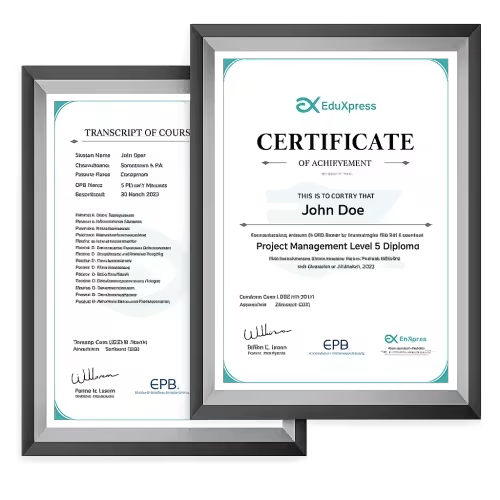
Upon successful completion, you can order your CPD-accredited digital certificate. An optional printed certificate is available for £24.99.
Frequently Asked Questions
What is structural engineering?
What does a structural engineer do?
What is the difference between civil engineering and structural engineering?
What is statics in structural engineering?
What materials are commonly used in structural engineering?
What is the difference between determinate and indeterminate structures?
How do structural engineers calculate loads on buildings?
What are shear force and bending moment in structural engineering?
What is the difference between beams, columns and slabs?
What is structural dynamics and why is it important?
What are Eurocodes in UK structural engineering?
What software is used in structural engineering?
Can I study structural engineering online with no previous experience?
How much does a structural engineer earn in the UK?
Can I get a CPD-accredited certificate after completing the Structural Engineering Level 3 Diploma?
Curriculum
- 1 Section
- 10 Lessons
- Lifetime
- Structural Engineering Level 3 Diploma10 Items
- 1.1Module 1: Introduction to Structural Engineering
- 1.2Module 2: Materials in Structural Engineering
- 1.3Module 3: Statics and Mechanics of Materials
- 1.4Module 4: Analysis of Determinate Structures
- 1.5Module 5: Analysis of Indeterminate Structures
- 1.6Module 6: Structural Design
- 1.7Module 7: Design of Structural Elements
- 1.8Module 8: Structural Dynamics
- 1.9Module 9: Advanced Topics in Structural Engineering
- 1.10Module 10: Structural Engineering Project