Explore sports therapy and hydrotherapy through 14 modules covering sports massage, anatomy, biomechanics, stretching and injury recovery. Discover hydrotherapy principles, aquatic exercise, water-based rehabilitation and spa wellness applications. Develop knowledge of safe treatment planning, athletic recovery and movement support for sports, fitness and wellbeing settings.
Last updated: Nov 13, 2026
(0 Reviews)
10 CPD Points
Highly Rated
Best Selling
Movement, recovery and physical wellbeing are at the heart of active living. From sports massage and injury prevention to hydrotherapy and aquatic exercise, discover how understanding the human body can support mobility, physical recovery and athletic performance.
Course Overview
Sports therapy and hydrotherapy bring together knowledge of human anatomy, movement, soft tissue techniques and water-based therapeutic approaches. Our Sports Therapy & Hydrotherapy course introduces the principles of sports massage, biomechanics, injury prevention and physical recovery alongside the foundations of hydrotherapy and aquatic rehabilitation. Explore how muscles, joints and connective tissues respond to physical activity and how appropriate recovery strategies contribute to mobility and wellbeing.
Discover sports massage techniques, pre-event and post-event massage, stretching methods and the principles of supporting rehabilitation. Understand the role of biomechanics in assessing movement patterns, recognising physical demands and supporting injury prevention. The curriculum then introduces hydrotherapy, examining how buoyancy, water resistance, hydrostatic pressure and temperature influence movement and exercise. Explore different hydrotherapy approaches, aquatic fitness activities and structured water-based rehabilitation principles.
How can land-based recovery methods and aquatic exercise complement one another? Examine techniques used to support mobility, exercise tolerance, muscular recovery and physical confidence. Explore the importance of individual assessment, appropriate activity selection, water safety and adapting exercise to different needs. The course also introduces hydrotherapy applications within sports recovery, wellness centres and spa environments. Enrol to strengthen your understanding of sports massage, hydrotherapy and the principles of safe, effective physical wellbeing support.
What You’ll Learn to Put Into Action
Understand the foundations of sports massage, sports therapy and hydrotherapy.
Explore human anatomy, physiology, muscle groups and the relationship between movement and soft tissue function.
Recognise sports massage principles, common techniques and pre-event and post-event applications.
Understand biomechanics, common sporting injuries, recovery principles and injury prevention strategies.
Explore stretching, flexibility, mobility exercises and their role in physical performance.
Understand hydrotherapy principles, including buoyancy, hydrostatic pressure, temperature and water resistance.
Develop awareness of aquatic rehabilitation, aqua fitness and water-based recovery programmes.
Explore safe practice, individual needs, treatment considerations and hydrotherapy applications in sports and wellness settings.
Who Is This Course For?
Aspiring sports massage therapists and sports therapy assistants interested in physical recovery and soft tissue care.
Fitness instructors, personal trainers and sports coaches seeking broader knowledge of movement and recovery.
Physiotherapy support workers and rehabilitation assistants interested in aquatic exercise principles.
Spa and wellness professionals exploring hydrotherapy treatments and water-based wellbeing activities.
Sports enthusiasts, students and career changers interested in anatomy, biomechanics and physical rehabilitation.
Career Path
Knowledge of sports massage, movement analysis and hydrotherapy can support professional development across sport, fitness, rehabilitation and wellness services. Understanding anatomy, soft tissue techniques, physical recovery and aquatic exercise is relevant to organisations including fitness centres, sports clubs, physiotherapy services, leisure facilities and spa businesses.
With relevant experience and further professional training, learners may explore a range of sports and wellbeing career pathways.
Sports Massage Therapist: Earnings vary according to employment, experience and client demand.
Sports Therapist: Approximately £24,000–£35,000 per year in clinic-based roles.
Physiotherapy Assistant: Approximately £25,000–£31,000 per year.
Fitness Instructor: Approximately £21,000–£27,000 per year.
Health and Wellbeing Coach: Approximately £24,000–£30,000 per year.
Leisure Centre Manager: Approximately £24,000–£36,000 per year.
Develop knowledge of human anatomy, physiology and the principles of soft tissue treatment.
Understand massage techniques, event-related recovery and injury prevention strategies.
Explore water-based exercise, buoyancy, hydrostatic pressure and aquatic rehabilitation principles.
Learn about sports recovery, aqua fitness and hydrotherapy applications within wellness environments.
Study flexibly online while strengthening knowledge relevant to sports, fitness, rehabilitation and physical wellbeing.
What the Course Covers
Module 01: Introduction to Sports Massage
Explore the foundations of sports massage and its role in physical wellbeing, exercise preparation and recovery. Understand the history, purposes and common applications of sports massage within fitness and sporting environments. Examine professional responsibilities, client communication, consultation principles and the importance of recognising situations that require further assessment or referral.
Module 02: Anatomy and Physiology for Sports Massage
Understand the structure and function of the human body, focusing on the muscular, skeletal, circulatory and nervous systems. Explore major muscle groups, joints, connective tissues and common movement patterns. Examine how muscles respond to physical activity, fatigue and recovery, and why anatomical knowledge is important when considering sports massage techniques and safe physical support.
Module 03: Principles of Sports Massage
Explore the underlying principles of sports massage, including its purposes, applications and common treatment considerations. Understand client consultation, comfort, consent, hygiene and appropriate technique selection. Examine how sports massage may be incorporated into wider exercise and recovery routines, while considering individual circumstances, contraindications, professional boundaries and safe working practices.
Module 04: Sports Massage Techniques
Discover common sports massage techniques, including effleurage, petrissage, friction, compression and percussion. Explore the intended applications of different movements and how technique selection relates to muscle condition, client comfort and treatment objectives. Understand the importance of positioning, communication, appropriate pressure and recognising when techniques should be adapted or avoided.
Module 05: Pre-Event and Post-Event Massage
Understand how sports massage approaches differ before and after sporting activities. Explore the objectives of pre-event massage, including preparation, comfort and awareness of muscular condition. Examine post-event massage in the context of recovery routines, relaxation and identifying areas of discomfort. Consider timing, intensity, individual preferences and appropriate precautions when planning event-related massage support.
Module 06: Injury Prevention and Rehabilitation
Explore common sports injuries, contributing factors and principles of injury prevention. Understand the importance of appropriate exercise progression, recovery, warm-ups, conditioning and workload management. Examine basic rehabilitation concepts, including restoring movement, developing strength and monitoring progress. Develop awareness of recognising injury concerns and the role of qualified healthcare professionals in assessment and rehabilitation planning.
Module 07: Understanding Biomechanics
Understand the principles of biomechanics and how forces influence movement within the human body. Explore joint movement, posture, balance, leverage and the relationship between muscles and skeletal structures. Examine common movement patterns during sporting activities and how biomechanical awareness contributes to exercise technique, performance analysis and the identification of potential physical stress.
Module 08: Stretching and Mobility Techniques
Explore different stretching approaches, including static, dynamic and assisted stretching principles. Understand flexibility, joint mobility, range of motion and how these relate to everyday movement and physical activity. Examine safe exercise progression, individual differences, warm-up routines and how appropriately selected mobility exercises can form part of wider conditioning and recovery programmes.
Module 09: Introduction to Hydrotherapy
Discover hydrotherapy and its use of water as an environment for movement, exercise and therapeutic activities. Explore the development of water-based treatments and their applications within rehabilitation, sports recovery and wellbeing services. Understand introductory concepts involving buoyancy, water temperature, resistance and the importance of appropriate assessment and safety when selecting aquatic activities.
Module 10: Principles of Hydrotherapy
Explore the physical properties of water and their relevance to hydrotherapy. Understand buoyancy, hydrostatic pressure, viscosity, resistance and temperature effects. Examine how these properties can influence balance, movement and exercise effort. Develop awareness of individual suitability, precautions, appropriate supervision, water hygiene and risk assessment when considering hydrotherapy activities.
Module 11: Types of Hydrotherapy Treatments
Explore different water-based treatment and exercise approaches, including warm-water exercise, immersion-based activities, aquatic mobility programmes and selected wellness applications. Understand how treatment environments, water temperature, movement and individual objectives influence the choice of approach. Examine the differences between supervised therapeutic exercise, general aquatic fitness and spa-style hydrotherapy experiences.
Module 12: Advanced Hydrotherapy for Sports Recovery and Athletic Performance
Examine advanced hydrotherapy concepts relevant to athletic recovery, movement training and sports performance support. Explore progressive water-based exercise, resistance activities, recovery planning and the potential role of immersion within wider conditioning programmes. Understand how activity selection, monitoring, individual goals and professional supervision contribute to structured aquatic training and recovery approaches.
Module 13: Aqua Fitness and Water-Based Rehabilitation Exercises
Explore aqua fitness activities and water-based exercises used to support movement, strength, balance and exercise tolerance. Understand aquatic walking, resistance movements, mobility activities and progressive exercise planning. Examine the principles of adapting water-based activities to individual needs, including safe entry and exit, fatigue monitoring and appropriate assistance during supervised rehabilitation and fitness sessions.
Module 14: Hydrotherapy Techniques for Spa and Wellness Centers
Explore hydrotherapy concepts within spa, leisure and wellness environments. Understand the use of warm-water facilities, immersion experiences and water-based relaxation activities as part of wellbeing services. Examine client consultation, comfort, hygiene, temperature considerations, facility safety and appropriate precautions. Develop awareness of designing welcoming, responsible wellness experiences while maintaining professional standards and individual care.
Accreditation & Recognition
The Sports Therapy & Hydrotherapy course provides structured CPD learning covering sports massage, human movement, injury prevention and water-based exercise principles. Explore anatomy, biomechanics, physical recovery, hydrotherapy applications and aquatic rehabilitation concepts while developing knowledge relevant to sport, fitness, wellbeing and rehabilitation support.
CPD-focused learning covering sports massage, hydrotherapy and physical recovery principles.
Knowledge of anatomy, physiology, biomechanics and musculoskeletal movement.
Understanding of sports massage techniques, pre-event and post-event applications and injury prevention.
Awareness of stretching, mobility, exercise progression and rehabilitation principles.
Introduction to aquatic exercise, hydrotherapy properties, sports recovery and spa wellness applications.
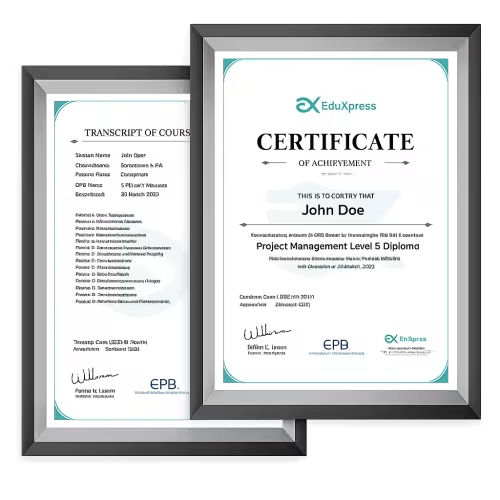
EduXpress assessment and CPD certificate options recognising completed professional learning.
Your understanding may be assessed through online multiple-choice questions or a written assignment, depending on the published course arrangements. Assessment topics may include sports massage, anatomy and physiology, biomechanics, injury prevention, stretching, hydrotherapy principles, aquatic exercise, rehabilitation awareness and spa wellness applications.
Following successful completion of the course requirements, learners may request an EduXpress digital CPD certificate recognising their learning in sports massage, sports recovery and hydrotherapy principles. An optional printed certificate is also available according to the provider’s published arrangements, acknowledging their achievement and commitment to professional development.
Frequently Asked Questions
What is the Sports Therapy & Hydrotherapy course?
This online course combines sports massage principles with an introduction to hydrotherapy and water-based exercise. Learners explore anatomy, biomechanics, massage techniques, injury prevention, stretching and recovery. The curriculum also covers hydrotherapy principles, aquatic rehabilitation, aqua fitness and wellness applications, providing a broad understanding of land-based and water-based approaches to physical wellbeing.
Who should enrol in this sports therapy and hydrotherapy course?
The course is suitable for individuals interested in sports massage, fitness, exercise recovery and hydrotherapy. It may also benefit sports coaches, fitness instructors, therapy assistants, spa professionals and people exploring careers in rehabilitation support. The curriculum introduces core scientific principles before progressing into more specialised applications.
What is sports massage and how is it used?
Sports massage uses soft tissue techniques in the context of sporting activity, physical comfort and recovery routines. Practitioners may consider muscle condition, training demands and individual needs when planning sessions. The course introduces common massage techniques, professional considerations and the role of sports massage within broader approaches to physical wellbeing.
What anatomy and physiology topics are covered?
The course explores muscles, bones, joints, connective tissues and important body systems involved in movement. Learners examine muscular function, joint movement, physical activity and recovery principles. This knowledge helps explain how the body responds to exercise and why anatomical awareness is essential when considering sports massage and physical support.
What sports massage techniques will I learn about?
The course introduces effleurage, petrissage, friction, compression and percussion techniques. Learners explore their typical purposes, treatment considerations and the importance of client comfort and appropriate pressure. The curriculum also examines communication, consultation and adapting massage approaches according to individual needs and safety considerations.
What is the difference between pre-event and post-event sports massage?
Pre-event massage is considered within the preparation period before sporting activity, while post-event massage is used after activity as part of wider recovery routines. The intended approaches may differ in timing, technique and intensity. The course explains their purposes and the importance of considering athlete preferences, individual circumstances and appropriate precautions.
Does the course cover sports injuries and rehabilitation?
Yes. The injury prevention and rehabilitation module explores common sports injuries, risk factors, recovery principles and exercise progression. Learners examine workload management, conditioning, mobility and monitoring physical recovery. The course also introduces the importance of recognising situations where professional injury assessment and supervised rehabilitation are appropriate.
What is biomechanics in sports therapy?
Biomechanics examines how forces affect the movement of the human body. It involves understanding joints, muscles, posture, balance and movement mechanics. The course introduces how biomechanical principles relate to exercise technique, sporting performance, movement assessment and the identification of potential physical demands or stress during activity.
What is hydrotherapy and how does it work?
Hydrotherapy uses water-based environments and activities for therapeutic movement, rehabilitation and wellbeing. Water properties such as buoyancy, hydrostatic pressure and resistance can change how movement feels and the physical effort required. The course explores these principles and their relevance to aquatic exercise, mobility and individual recovery planning.
What are the main benefits of hydrotherapy exercises?
Water-based exercise can make certain movements easier through buoyancy while providing resistance that can be used for strengthening and conditioning activities. Depending on individual circumstances, appropriately selected aquatic exercise may support mobility, balance and exercise participation. The course examines these possibilities alongside individual assessment, appropriate progression and safety considerations.
What types of hydrotherapy treatments are included?
The course introduces warm-water exercise, immersion-based activities, aquatic movement programmes and water-based wellness applications. Learners explore how different hydrotherapy approaches are selected according to objectives and individual needs. The curriculum also considers the distinction between clinical aquatic rehabilitation, general fitness and spa-based wellbeing treatments.
Can hydrotherapy support sports recovery and athletic performance?
Hydrotherapy and aquatic exercise can form part of some sports recovery and conditioning programmes. Water resistance may be used for exercise, while buoyancy can alter loading during movement. The course explores how athletes and support professionals may consider water-based activities alongside other training and recovery approaches, with attention to individual objectives and supervision.
Does the course include aqua fitness and water-based rehabilitation exercises?
Yes. The aqua fitness and rehabilitation module introduces aquatic walking, resistance exercise, mobility activities and progressive water-based movement. Learners explore how exercises may be adapted for different abilities and goals. It also examines pool entry and exit, fatigue, supervision and other considerations important in aquatic activity planning.
What hydrotherapy skills are relevant to spa and wellness centres?
Hydrotherapy knowledge can support understanding of water-based relaxation, wellness activities, client consultation and safe facility procedures. The course explores temperature considerations, hygiene, comfort, precautions and the use of water environments within spa services. These subjects are relevant to professionals interested in developing responsible and welcoming wellness experiences.
How is the Sports Therapy & Hydrotherapy course assessed and certified?
Assessment may include online multiple-choice questions or a written assignment, depending on the published course requirements. Topics may include anatomy, sports massage, injury prevention, biomechanics, stretching, hydrotherapy and aquatic exercise principles. Following successful completion, learners may request an EduXpress digital CPD certificate or an optional printed certificate according to the provider’s arrangements.