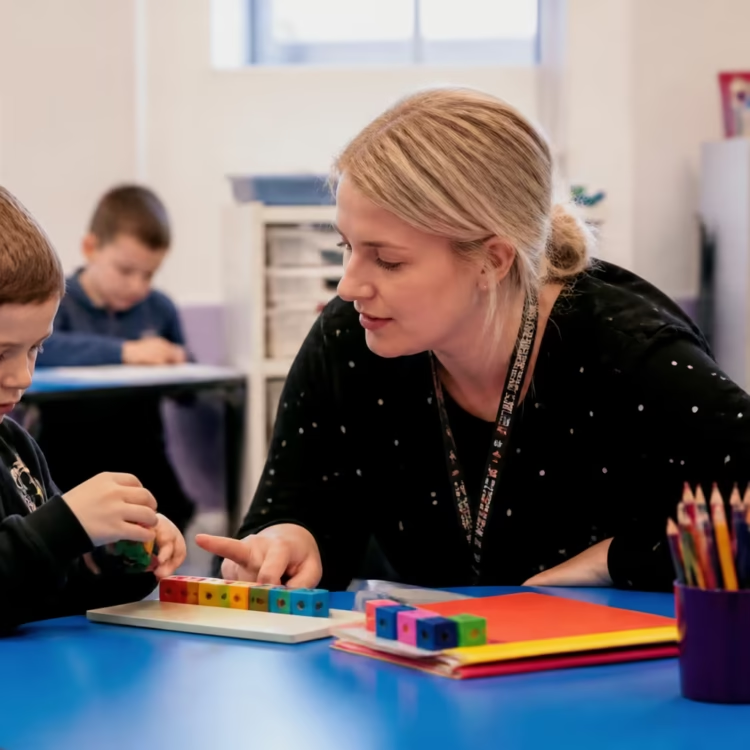
Teaching Students with Learning Disabilities
By 2026, over 15% of students in UK schools will require specialised support to manage learning disabilities effectively. That gap limits outcomes for every learner in the room and holds back the educators and trainers who genuinely want to do better by them. The Teaching Students with Learning Disabilities course from EduXpress is a fully CPD-accredited, online programme that gives UK educators and trainers the structured expertise to raise the quality of their practice and make a measurable difference to the learners they support.
This course covers a range of topics including types of learning disabilities, individualised education plans, and tailored teaching strategies. You will gain practical understanding in adapting classrooms and managing behaviours to improve learning outcomes for students with disabilities.
With flexible online CPD learning, you can study at your own pace with full tutor support. The course includes an assessment and offers a CPD-accredited certificate, helping you develop applied skills and confidence in this important area.
Learning Outcomes of Teaching Students with Learning Disabilities
Upon completion of this Teaching Students with Learning Disabilities from EduXpress, learners will be able to:
Why Choose Our Teaching Students with Learning Disabilities Course?
Who is This Teaching Students with Learning Disabilities For?
Certification: Teaching Students with Learning Disabilities
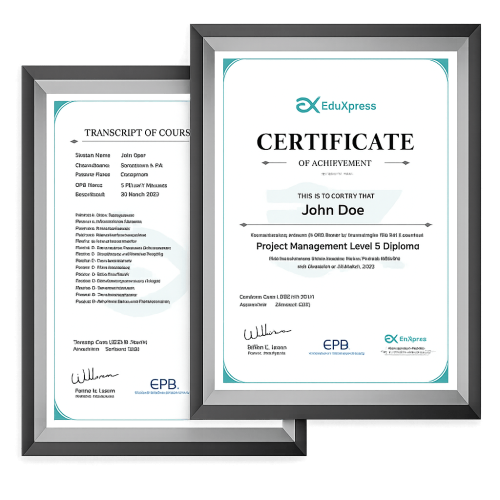
Upon successful completion of the final assessment, you will get a chance to order a CPD-accredited certificate confirming your achievement. This certificate is available in PDF as well as hard copy format, making it suitable for adding to your professional portfolio or CV.
Career Path
Frequently asked questions
Everything you need to know about the Teaching Students with Learning Disabilities
1. What are learning disabilities in students?
Learning disabilities are neurological disorders that affect a student’s ability to process information, impacting skills like reading, writing, or math. These disabilities require tailored teaching strategies to support academic success. Understanding various types, such as dyslexia or ADHD, helps educators create inclusive learning environments that meet diverse student needs.
2. How can teachers identify learning disabilities early?
Teachers can identify learning disabilities early by observing persistent difficulties in specific academic areas despite appropriate instruction. Early signs include trouble with reading comprehension, spelling, or attention. Utilizing screening tools and collaborating with special educators ensures timely assessment and intervention, promoting better educational outcomes for students.
3. What teaching strategies are effective for students with learning disabilities?
Effective teaching strategies include multisensory instruction, differentiated learning, and scaffolded support tailored to individual needs. Incorporating assistive technology and providing clear, step-by-step instructions enhance comprehension. These evidence-based approaches foster engagement and improve academic performance for students with learning disabilities.
4. How can classroom environments be adapted for students with learning disabilities?
Classroom environments can be adapted by providing quiet workspaces, using visual aids, and minimizing distractions. Flexible seating and accessible materials support diverse learning styles. Such adaptations create an inclusive atmosphere that encourages focus and confidence, helping students with learning disabilities thrive academically and socially.
5. What role do Individualized Education Programs (IEPs) play in teaching students with learning disabilities?
Individualized Education Programs (IEPs) are essential in tailoring educational plans to meet the unique needs of students with learning disabilities. IEPs outline specific goals, accommodations, and support services, ensuring personalized instruction. Collaboration among educators, parents, and specialists within the IEP framework enhances student progress and success.
6. How can collaboration between teachers and parents support students with learning disabilities?
Collaboration between teachers and parents supports students with learning disabilities by sharing insights, monitoring progress, and reinforcing learning strategies at home and school. Regular communication fosters consistency and addresses challenges promptly. This partnership is vital for creating a supportive network that promotes student achievement and well-being.
7. Are there specific technologies that assist students with learning disabilities?
Yes, assistive technologies like text-to-speech software, audiobooks, and organizational apps significantly aid students with learning disabilities. These tools enhance reading, writing, and time management skills, making learning more accessible. Integrating technology into teaching practices empowers students to engage independently and confidently.
8. How does this course help educators improve their skills in teaching students with learning disabilities?
This course equips educators with research-based knowledge, practical strategies, and tools to effectively teach students with learning disabilities. It enhances understanding of diverse learning needs, legal frameworks, and classroom adaptations. By completing this course, teachers gain confidence and competence to foster inclusive and supportive learning environments.
Curriculum
- 3 Sections
- 0 Lessons
- Lifetime
- Teaching Students with Learning Disabilities0 Items
- Order Your Certificate!0 Items
- Leave a Review!0 Items