


Every artwork tells a story worth protecting. From centuries-old paintings to delicate photographs and historic artefacts, discover how art conservation preserves cultural heritage, protects original materials and safeguards artistic treasures for future generations.
Course Overview
Art conservation plays an essential role in protecting artworks, historical objects and cultural heritage collections. Our Principles of Art Conservation course introduces the scientific, historical and ethical foundations of preserving valuable artistic materials. Explore how conservators examine objects, understand their composition and identify factors that influence long-term stability and preservation.
Discover the characteristics of traditional and modern art materials, including pigments, canvas, paper, textiles, ceramics, metals and wood. Explore the causes of deterioration, such as environmental fluctuations, light exposure, pollutants and biological activity. The curriculum introduces condition assessments, conservation documentation and preventive strategies used to protect collections.
How can museums, galleries and heritage organisations protect artworks while respecting their historical authenticity? Explore cleaning, stabilisation and restoration principles alongside material-specific conservation approaches. Understand safe handling, storage and exhibition requirements. Enrol to develop valuable knowledge of artwork preservation and professional conservation practices.
What You’ll Learn to Put Into Action
- Understand the principles, objectives and professional responsibilities of art conservation.
- Explore conservation history, ethical decision-making and cultural heritage preservation.
- Identify common artistic materials, construction techniques and their physical properties.
- Recognise environmental, chemical, physical and biological causes of artwork deterioration.
- Understand artwork condition assessment, examination and conservation documentation.
- Explore preventive conservation, environmental monitoring and collection protection strategies.
- Recognise cleaning, stabilisation and restoration principles for different artistic materials.
- Understand safe artwork handling, storage, exhibition and long-term preservation planning.
Who Is This Course For?
- Art enthusiasts interested in understanding artwork preservation and conservation principles.
- Aspiring conservators and conservation assistants developing introductory subject knowledge.
- Museum, gallery and heritage workers involved in collections care and preservation.
- Artists, art historians and cultural heritage students exploring materials and deterioration.
- Collectors, archivists and creative professionals interested in responsible artwork protection.
Career Path
Art conservation knowledge is relevant to museums, galleries, archives, heritage organisations and specialist restoration services. Understanding materials, condition assessment, documentation and preventive care can support collections management and preservation activities. These skills may complement further study, practical conservation experience and professional development within the cultural heritage sector.
- Conservator: Approximately £26,000–£38,000 per year.
- Furniture Restorer: Approximately £23,000–£32,000 per year.
- Museum Curator: Approximately £25,000–£43,000 per year.
- Archivist: Approximately £23,000–£45,000 per year.
- Heritage Officer: Approximately £25,000–£48,000 per year.
- Museum Attendant: Approximately £23,000–£31,000 per year.
Why Choose Our Principles of Art Conservation Course?
- Explore 10 structured modules covering the essential principles of art and cultural heritage conservation.
- Understand artistic materials, conservation ethics and the historical importance of preservation.
- Develop awareness of artwork deterioration, environmental risks and preventive conservation.
- Explore condition assessment, examination techniques and professional conservation documentation.
- Understand conservation approaches for paintings, paper, textiles, photographs, sculptures and artefacts.
- Study flexibly online while developing knowledge relevant to museums, galleries and heritage collections.
What the Course Covers
Module 01: Introduction to Art Conservation and Cultural Heritage Preservation
Module 02: History, Ethics and Professional Principles of Art Conservation
Module 03: Understanding Art Materials, Techniques and Their Properties
Module 04: Causes of Artwork Deterioration and Environmental Damage
Module 05: Artwork Condition Assessment, Examination and Documentation
Module 06: Preventive Conservation and Environmental Control
Module 07: Cleaning, Stabilisation and Restoration Principles
Module 08: Conservation of Paintings, Paper, Textiles and Photographs
Module 09: Conservation of Sculptures, Ceramics, Metals and Wooden Artefacts
Module 10: Art Handling, Storage, Exhibition and Long-Term Preservation
Accreditation & Recognition
The Principles of Art Conservation course offers structured CPD learning covering cultural heritage preservation, material science, conservation ethics and artwork protection. Explore examination techniques, preventive conservation, restoration principles and professional collection management practices while developing knowledge relevant to museums, galleries and heritage organisations.
- CPD-focused learning covering essential art conservation and cultural heritage preservation principles.
- Knowledge of artistic materials, traditional techniques and factors influencing deterioration.
- Understanding of conservation ethics, condition assessment and professional documentation.
- Awareness of environmental monitoring, preventive conservation and long-term collection protection.
- Introduction to conservation considerations for paintings, textiles, photographs, sculptures and artefacts.
- EduXpress assessment and CPD certificate options recognising completed professional learning.
Assessment & Certification: Principles of Art Conservation
Your understanding may be assessed through online multiple-choice questions or a written assignment, depending on the published course arrangements. Assessment topics may include conservation history, ethical principles, artistic materials, deterioration, condition examination, preventive conservation, restoration principles and artwork storage and handling.
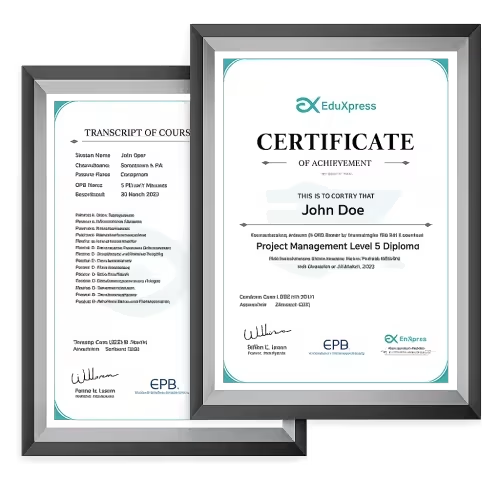
Following successful completion of the course requirements, learners may request an EduXpress digital CPD certificate recognising their learning in art conservation and cultural heritage preservation. An optional printed certificate is also available according to the provider’s published arrangements, acknowledging their achievement and commitment to professional development.
Frequently Asked Questions
What is the Principles of Art Conservation course?
Who should enrol in this Art Conservation course?
Do I need previous experience in art conservation?
What is the difference between art conservation and restoration?
Why is art conservation important for cultural heritage?
What causes paintings and artworks to deteriorate?
What is preventive conservation?
How do conservators assess the condition of an artwork?
Does the course cover conservation documentation?
Will I learn about cleaning and restoring old artworks?
Does the course include paintings, paper and textile conservation?
What will I learn about sculptures and historic artefacts?
How should artworks be stored and displayed safely?
Can this course support a career in museums or art conservation?
How is the Principles of Art Conservation course assessed and certified?
Curriculum
- 1 Section
- 10 Lessons
- Lifetime
- Principles of Art Conservation10 Items
- 1.1Module 01: Introduction to Art Conservation and Cultural Heritage Preservation
- 1.2Module 02: History, Ethics and Professional Principles of Art Conservation
- 1.3Module 03: Understanding Art Materials, Techniques and Their Properties
- 1.4Module 04: Causes of Artwork Deterioration and Environmental Damage
- 1.5Module 05: Artwork Condition Assessment, Examination and Documentation
- 1.6Module 06: Preventive Conservation and Environmental Control
- 1.7Module 07: Cleaning, Stabilisation and Restoration Principles
- 1.8Module 08: Conservation of Paintings, Paper, Textiles and Photographs
- 1.9Module 09: Conservation of Sculptures, Ceramics, Metals and Wooden Artefacts
- 1.10Module 10: Art Handling, Storage, Exhibition and Long-Term Preservation