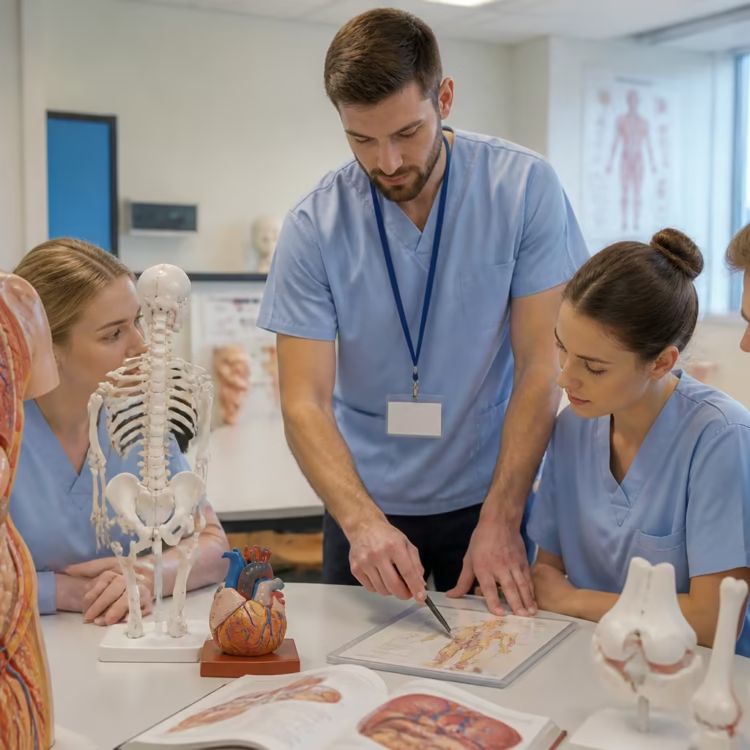
Pain affects more than physical comfort. Understanding how pain develops, how it influences daily life and how people can be supported is essential to compassionate, effective healthcare.
Course Overview
Pain is one of the most common reasons people seek healthcare and can affect physical health, emotional wellbeing and everyday activities. Our Pain Management course introduces the essential principles of understanding, assessing and supporting individuals experiencing different types of pain. Explore pain physiology, acute and chronic conditions, neuropathic pain and the importance of accurate assessment within healthcare and social care environments.
Develop valuable healthcare knowledge with our CPD-accredited Pain Management course, designed to strengthen your understanding of pain assessment, treatment approaches and person-centred care. Explore medication safety, physical rehabilitation, non-pharmacological pain relief and psychological support. Through flexible online learning, you can develop professional knowledge relevant to hospitals, care homes, rehabilitation services and community healthcare.
How can healthcare professionals support people living with persistent pain while improving their comfort, independence and quality of life? Examine pain management for older adults, children and vulnerable patients, alongside cancer pain and palliative care. Discover the importance of multidisciplinary teamwork, treatment monitoring and individual care plans. Enrol to build a stronger understanding of compassionate, evidence-informed pain support.
What You’ll Learn to Put Into Action
- Understand pain physiology and recognise the differences between acute, chronic and neuropathic pain.
- Explore pain assessment methods, measurement tools and accurate clinical documentation.
- Recognise the importance of person-centred care and the biopsychosocial approach to pain.
- Develop awareness of pharmacological pain management, medication safety and treatment monitoring.
- Explore non-pharmacological approaches, physical rehabilitation and supportive pain relief techniques.
- Understand psychological therapies, coping strategies and supported self-management for persistent pain.
- Recognise pain management considerations for older adults, children and vulnerable individuals.
- Explore cancer pain, palliative support, multidisciplinary teamwork and individualised care planning.
Who Is This Course For?
- Healthcare assistants and support workers interested in developing their understanding of pain management.
- Nursing professionals and healthcare staff seeking to refresh their knowledge of pain assessment and patient care.
- Care home staff and community care professionals supporting individuals with persistent or complex pain.
- Physiotherapy and rehabilitation support workers interested in physical recovery and non-pharmacological pain relief.
- Individuals considering healthcare careers or seeking knowledge of pain management and person-centred support.
Career Path
Pain management knowledge is relevant to healthcare, rehabilitation, nursing support and adult social care. Understanding pain assessment, patient communication, treatment monitoring and compassionate support can complement a variety of roles across hospitals, care homes, hospices and community services. These skills are particularly valuable when supporting people experiencing pain associated with illness, injury or long-term conditions.
- Healthcare Assistant: Approximately £25,000–£27,000 per year.
- Physiotherapy Assistant: Approximately £25,000–£31,000 per year.
- Occupational Therapy Support Worker: Approximately £26,000–£31,000 per year.
- Care Worker: Approximately £20,000–£25,000 per year.
- Nursing Associate: Approximately £26,000–£31,000 per year.
Why Choose Our Pain Management Course?
- Develop a clear understanding of pain physiology and the different forms of acute and persistent pain.
- Explore recognised pain assessment methods and the importance of accurate patient records.
- Understand medication safety, pain treatment monitoring and appropriate professional responsibilities.
- Learn about rehabilitation, physical activity and non-pharmacological approaches to pain support.
- Develop awareness of psychological wellbeing, pain coping strategies and person-centred care planning.
- Explore specialist considerations for cancer pain, palliative care and vulnerable patient groups.
What the Course Covers
Module 01: Introduction to Pain Management and Pain Physiology
Explore the foundations of pain management and how the nervous system processes pain signals. Understand pain receptors, nerve pathways and the body’s responses to injury or illness. Examine how physical, emotional and environmental factors influence the experience of pain. Develop essential terminology and knowledge to support a broader understanding of pain assessment and care.
Module 02: Understanding Acute, Chronic and Neuropathic Pain
Understand the differences between acute, chronic and neuropathic pain and the conditions commonly associated with them. Explore pain arising from injury, inflammation, disease and nervous system damage. Learn how chronic primary and secondary pain may affect daily functioning and wellbeing. Examine why different pain conditions require appropriate assessment and individualised management approaches.
Module 03: Pain Assessment, Measurement and Clinical Documentation
Explore methods used to assess pain intensity, location, duration and its impact on everyday activities. Understand numerical rating scales, visual assessment tools and observational approaches for people who have difficulty communicating. Examine the importance of accurate clinical documentation, patient communication and recognising changes in symptoms. Learn how reliable assessment information supports appropriate treatment decisions and care planning.
Module 04: Person-Centred Care and the Biopsychosocial Approach to Pain
Understand how biological, psychological and social factors interact to influence pain experiences. Explore person-centred assessment, shared decision-making, individual preferences and the impact of pain on relationships, work and emotional wellbeing. Learn the importance of respectful communication and recognising personal goals. Examine how holistic care approaches help develop meaningful and individualised pain management plans.
Module 05: Pharmacological Pain Management and Medication Safety
Explore the main categories of medicines used in pain management and how treatment choices differ between pain conditions. Develop awareness of analgesics, neuropathic pain medicines, adverse effects and medication interactions. Understand safe administration principles, documentation and treatment monitoring. Learn why prescribed medicines require appropriate professional oversight, careful review and consideration of individual patient needs.
Module 06: Non-Pharmacological Pain Relief and Physical Rehabilitation
Explore non-pharmacological approaches to managing pain, including appropriate physical activity, rehabilitation, relaxation and supportive positioning. Understand how movement, strength, mobility and gradual activity can contribute to physical wellbeing. Examine the role of physiotherapy and rehabilitation professionals in developing suitable exercise programmes. Learn why treatment choices should reflect individual conditions, abilities and clinical recommendations.
Module 07: Psychological Therapies, Pain Coping Strategies and Self-Management
Understand how persistent pain can affect mood, sleep, confidence and emotional wellbeing. Explore psychological approaches such as cognitive behavioural therapy, acceptance and commitment therapy, relaxation and supported self-management. Examine pacing, realistic goal setting and healthy coping strategies. Learn how appropriate psychological support can help individuals manage the impact of pain on everyday life.
Module 08: Pain Management in Older Adults, Children and Vulnerable Patients
Explore pain assessment and support considerations for older adults, children and individuals with communication or cognitive difficulties. Understand how age, disability, dementia and additional health conditions may influence pain expression and treatment needs. Examine observational assessment, safeguarding and appropriate communication. Learn the importance of involving families, carers and healthcare professionals in individualised pain support.
Module 09: Cancer Pain, Palliative Care and End-of-Life Pain Support
Develop awareness of pain associated with cancer, advanced illness and palliative care. Explore the importance of comfort, dignity, symptom assessment and individual preferences during end-of-life support. Understand how medication, supportive care and multidisciplinary communication contribute to managing complex pain. Examine compassionate approaches to supporting patients and families experiencing serious illness or changing care needs.
Module 10: Multidisciplinary Pain Management, Treatment Monitoring and Care Planning
Understand how healthcare professionals collaborate to assess, monitor and manage different pain conditions. Explore the roles of doctors, nurses, physiotherapists, psychologists and care support teams. Examine treatment reviews, patient feedback, goal setting and accurate documentation. Learn how coordinated, person-centred care planning supports safer management decisions and improvements in comfort, function and quality of life.
Accreditation & Recognition
The Pain Management course provides structured professional learning in pain physiology, assessment, treatment approaches and person-centred healthcare. Explore acute, chronic and neuropathic pain alongside medication safety, rehabilitation, psychological support and individualised care planning. Develop valuable knowledge relevant to healthcare support, rehabilitation and adult social care environments.
- Professional learning covering pain physiology and common pain conditions.
- Understanding of pain assessment, measurement and clinical documentation.
- Knowledge of person-centred care and biopsychosocial approaches to pain.
- Awareness of pharmacological treatment principles and medication safety.
- Understanding of rehabilitation, psychological support and pain self-management.
- Assessment and EduXpress certificate options to recognise completed learning.
Assessment & Certification: Pain Management
Your understanding may be assessed through an online multiple-choice assessment or written assignment, depending on the course’s published requirements. Assessment topics may include pain physiology, acute and chronic pain, assessment methods, medication safety, rehabilitation, psychological approaches, vulnerable patient support, palliative care and multidisciplinary treatment planning.

After successfully completing the course assessment, eligible learners can request an EduXpress certificate recognising their Pain Management learning. Digital and printed certificate options are available according to the provider’s current arrangements, helping learners demonstrate their knowledge and record their professional development.
Frequently Asked Questions
What is the Pain Management course?
The Pain Management course introduces essential knowledge about pain physiology, different pain conditions and methods of assessment and support. It explores medication safety, rehabilitation, psychological approaches and individual care planning. The course is designed for learners interested in improving their understanding of pain management across healthcare and social care settings.
Who should enrol in Pain Management training?
The course is suitable for healthcare assistants, care workers, nursing staff, rehabilitation support workers and individuals interested in patient wellbeing. It may also benefit professionals who support older adults, people with long-term health conditions or patients receiving palliative care. The learning introduces key concepts used across different care environments.
Do I need previous medical experience to take this course?
Previous medical experience is not essential for understanding the introductory learning materials. The course begins with pain physiology before exploring assessment, treatment approaches and care planning. Healthcare professionals may use the training to refresh existing knowledge, while beginners can develop a foundation in pain management principles.
What is the difference between acute and chronic pain?
Acute pain commonly develops following injury, illness or a medical procedure and may improve as the underlying problem resolves. Chronic pain persists or recurs for more than three months. The course explores the different causes, experiences and management considerations associated with each type of pain.
Does the course explain neuropathic pain?
Yes. Neuropathic pain is associated with a lesion or disease affecting the somatosensory nervous system. The course introduces common symptoms, possible causes and assessment considerations. Learners also explore why neuropathic pain may require different treatment approaches from pain arising through other mechanisms.
What pain assessment methods will I learn?
You will explore numerical pain rating scales, visual assessment methods and observational approaches used when individuals cannot easily describe their symptoms. The course also examines recording pain location, severity, duration and effects on daily life. Accurate assessment and documentation help healthcare professionals monitor changes and plan appropriate support.
What is the biopsychosocial approach to pain management?
The biopsychosocial approach considers how biological processes, psychological wellbeing and social circumstances influence pain and its impact. It recognises that pain experiences can affect sleep, activity, relationships and emotional health. The course explains how these factors contribute to person-centred assessment and individualised care planning.
Does this course cover pain relief medication?
The course introduces the main categories of pain medicines, medication safety, possible adverse effects and the importance of treatment reviews. It explains why different pain conditions may require different approaches. Medication selection, prescribing and administration decisions remain subject to appropriate professional responsibilities and healthcare procedures.
What non-pharmacological pain management methods are included?
The course explores approaches such as appropriate physical activity, rehabilitation, relaxation, supportive positioning and activity pacing. It explains how suitable movement and rehabilitation programmes may improve physical function and wellbeing. Learners consider why management options should reflect the type of pain and individual healthcare needs.
How do psychological therapies support people with chronic pain?
Psychological approaches can help individuals manage the emotional and behavioural impact of persistent pain. The course introduces cognitive behavioural therapy, acceptance and commitment therapy, relaxation and supported self-management. Learners explore how these approaches can support coping, confidence, daily functioning and quality of life when delivered appropriately.
Does the course address pain management in older adults?
Yes. The course considers pain assessment for older adults and people living with dementia or communication difficulties. It explores how pain may be expressed through behaviour, movement or changes in wellbeing. Learners also examine medication safety, observation and the importance of involving appropriate care professionals.
Will I learn about pain management for children and vulnerable patients?
The training explores age-appropriate pain assessment, communication and support for children and vulnerable individuals. It introduces observational tools, family involvement and individual care needs. The course emphasises recognising potential difficulties in expressing pain and supporting appropriate assessment through healthcare teams.
Does the course include cancer pain and palliative care?
Yes. The course explores pain associated with cancer, advanced illness and end-of-life care. It introduces symptom monitoring, medication awareness, patient comfort and compassionate communication. Learners develop an understanding of how healthcare teams work together to support individuals and families during palliative care.
Why is multidisciplinary teamwork important in pain management?
People living with complex pain may benefit from support involving doctors, nurses, physiotherapists, psychologists and other care professionals. Multidisciplinary working helps coordinate treatment, rehabilitation, emotional support and monitoring. The course explores how clear communication and shared care plans can improve continuity and person-centred support.
How is the Pain Management course assessed and certified?
Learners complete the assessment according to the course’s published requirements. The assessment may cover pain physiology, assessment, medication safety, rehabilitation, psychological approaches and individual care planning. Following successful completion, eligible learners may request the available EduXpress certificate in digital or printed format.
Curriculum
- 1 Section
- 10 Lessons
- Lifetime
- Pain Management10 Items
- 1.1Module 01: Introduction to Pain Management and Pain Physiology
- 1.2Module 02: Understanding Acute, Chronic and Neuropathic Pain
- 1.3Module 03: Pain Assessment, Measurement and Clinical Documentation
- 1.4Module 04: Person-Centred Care and the Biopsychosocial Approach to Pain
- 1.5Module 05: Pharmacological Pain Management and Medication Safety
- 1.6Module 06: Non-Pharmacological Pain Relief and Physical Rehabilitation
- 1.7Module 07: Psychological Therapies, Pain Coping Strategies and Self-Management
- 1.8Module 08: Pain Management in Older Adults, Children and Vulnerable Patients
- 1.9Module 09: Cancer Pain, Palliative Care and End-of-Life Pain Support
- 1.10Module 10: Multidisciplinary Pain Management, Treatment Monitoring and Care Planning