



Better care begins with understanding the person. Explore autism, learning disabilities, accessible communication and reasonable adjustments to promote dignity, inclusion and safer support.
Oliver McGowan Training on Learning Disability and Autism introduces essential knowledge about supporting autistic people and people with learning disabilities in health and social care. Everyone deserves to be listened to, treated with dignity and given appropriate support. Yet communication barriers, inaccessible services and assumptions about disability can affect people’s experiences of healthcare and everyday support.
Oliver McGowan’s story has influenced national efforts to improve learning disability and autism training across England. His experiences highlighted the consequences of unmet needs, poor communication and misunderstandings in healthcare. Understanding sensory differences, individual communication preferences, diagnostic overshadowing and reasonable adjustments helps workers recognise potential problems and respond more effectively to the people they support.
Our Oliver McGowan Training on Learning Disability and Autism course provides CPD awareness learning across eight structured modules. The curriculum explores learning disability and autism fundamentals, accessible communication, sensory needs, person-centred care, health inequalities, inclusive professional practice, Tier 2 preparation and the core capabilities frameworks for learning disability and autism support.
The course focuses on knowledge and awareness relevant to Oliver McGowan training principles. Official NHS England Oliver McGowan Mandatory Training includes additional live, co-delivered learning components for Tier 1 or Tier 2. Completion of this self-paced EduXpress course provides CPD learning rather than completion of those official training packages.
What You’ll Learn to Put Into Action
- Understand learning disabilities and autism, including individual strengths, support needs and common misconceptions.
- Recognise communication differences and adapt language, information and interactions to individual preferences.
- Identify sensory needs, environmental barriers and practical reasonable adjustments in health and social care.
- Explore person-centred care, individual choice, dignity, advocacy and inclusive decision-making.
- Understand health inequalities, diagnostic overshadowing and the importance of recognising pain and distress.
- Develop awareness of safe, respectful professional behaviour, effective teamwork and inclusive service culture.
- Explore Tier 2 preparation topics, including legislation, health passports, complex needs and organisational learning.
- Understand the core capabilities frameworks for supporting people with learning disabilities and autistic people.
- Recognise safeguarding responsibilities, professional boundaries and opportunities to improve care through lived experience and feedback.
Who Is This Course For?
- Healthcare assistants, support workers and adult social care staff supporting people with different communication and care needs.
- Care home employees, domiciliary care workers and supported living professionals.
- Nurses, allied health professionals and healthcare staff seeking additional learning disability and autism awareness.
- Receptionists, administrative staff and appointment teams interacting with people accessing healthcare services.
- Care managers, supervisors and team leaders interested in inclusive service delivery and safer care practices.
- Family carers, personal assistants, community workers and individuals interested in learning disability and autism support.
Why Choose Our Oliver McGowan Training on Learning Disability and Autism Course?
- Recognised CPD certification to support continuing professional development.
- Eight structured modules covering learning disability, autism, communication and inclusive support.
- Introduces person-centred approaches and the importance of listening to individual experiences.
- Explores sensory differences, accessible communication and reasonable adjustments.
- Builds awareness of health inequalities, diagnostic overshadowing and safer healthcare interactions.
- Covers human rights, safeguarding, equality and individual decision-making.
- Introduces the key themes associated with Oliver McGowan Tier 2 preparation.
- Explores the core capabilities frameworks for autism and learning disability support.
- 24/7 lifetime access to course materials.
- Flexible self-paced online study.
- Efficient online assessment with instant results.
- Full tutor support on weekdays, Monday to Friday.
Career Path
Knowledge gained through Oliver McGowan Training on Learning Disability and Autism can support continuing professional development across healthcare, adult social care, supported living and community services. Understanding accessible communication, reasonable adjustments and individual support needs can complement the skills used by care workers, healthcare assistants, community support professionals and nurses. Awareness of these subjects is also valuable for non-clinical employees who communicate with people accessing health and care services.
- Care Worker / Support Worker: £20,000–£25,000 per year
- Healthcare Assistant: £25,000–£27,000 per year
- Residential Support Worker: £22,000–£30,000 per year
- Social Work Assistant / Community Support Worker: £20,000–£28,000 per year
- Learning Disability Nurse: £32,000–£48,000 per year
What the Course Covers
Module 01: Learning Disability and Autism Fundamentals
Begin by exploring learning disabilities and autism within the context of UK health and social care. Understand how a learning disability may affect the understanding of new information and everyday adaptive skills, while autism involves differences in social communication, interaction, sensory processing and patterns of behaviour. Examine why these are distinct experiences and how individual support needs can vary considerably.
Explore the importance of recognising individual strengths, preferences, identity and personal circumstances. Learn about respectful language, challenging stereotypes and avoiding assumptions based on diagnostic labels. Develop awareness of how professional attitudes influence care experiences and why listening to autistic people and people with learning disabilities is central to inclusive, person-centred support.
Module 02: Communication, Sensory Differences and Reasonable Adjustments
Explore the different ways autistic people and people with learning disabilities may communicate, understand information and respond to their surroundings. Examine accessible language, visual resources, communication aids, non-verbal communication and appropriate processing time. Understand how a person’s behaviour may communicate discomfort, confusion, frustration or an unmet need.
Learn about sensory differences involving sound, lighting, touch, smell and busy environments. Explore how reasonable adjustments can make appointments, care activities and everyday interactions more accessible. Develop awareness of predictable routines, preparing individuals for changes, involving families and supporters where appropriate, and recording adjustments so that care remains consistent across services.
Module 03: Person-Centred Care, Human Rights and Inclusion
Understand person-centred care and the importance of treating individuals as active participants in decisions affecting their lives. Explore choice, control, dignity, privacy and respect within health and social care. Examine how staff can recognise personal preferences, involve individuals in support planning and adapt services to reflect different communication, sensory and practical needs.
Learn about equality, inclusion, advocacy and supporting people to express their opinions and concerns. Explore how trust, predictable interactions and respectful communication can reduce anxiety and strengthen relationships. Develop awareness of the importance of community participation, meaningful activities and listening to lived experience when creating more inclusive care environments.
Module 04: Health Inequalities, Wellbeing and Safer Care
Explore the health inequalities experienced by autistic people and people with learning disabilities. Understand how communication barriers, inaccessible services, delayed assessments and diagnostic assumptions can affect access to appropriate healthcare. Examine the importance of considering physical health, mental wellbeing and changes in an individual’s usual behaviour rather than attributing every concern to an existing diagnosis.
Learn about recognising possible pain, fear, anxiety, sensory distress and changes from a person’s usual presentation. Explore autism-related experiences such as masking, shutdown and meltdown without treating these as identical for every individual. Develop awareness of health passports, information sharing, timely escalation of concerns and practical approaches that support safer, more responsive care.
Module 05: Professional Practice, Team Culture and Inclusive Support
Understand how staff behaviour, organisational culture and professional values influence the quality of support experienced by people with learning disabilities and autistic people. Explore compassion, professional curiosity, respectful communication and the importance of challenging dismissive attitudes. Examine how stereotypes and diagnostic assumptions may contribute to missed concerns or unsuitable care decisions.
Learn about professional boundaries, teamwork, accurate documentation and effective handovers between services. Explore how staff can communicate reasonable adjustments, share relevant information and seek appropriate assistance. Develop awareness of reflective practice, listening to feedback and using organisational learning to strengthen inclusive care across different staff roles.
Module 06: Oliver McGowan Tier 2 Training Preparation
Explore important knowledge areas associated with preparation for Oliver McGowan Tier 2 learning. Understand relevant legislation, disability rights, reasonable adjustments and the importance of recognising diagnostic overshadowing. Examine how complex health needs and co-occurring conditions can affect assessment, treatment and everyday support, and why professionals must consider each individual’s circumstances carefully.
Learn about health passports, accessible communication, professional behaviour and involving individuals and families in care decisions. Explore the purpose of initiatives including Ask Listen Do, STOMP, STAMP and LeDeR in strengthening feedback, medication awareness and learning from care outcomes. Develop awareness of the principles that support more informed participation in additional Tier 2 learning.
Module 07: Core Capabilities for Supporting People with Learning Disabilities
Explore the principles represented within the Core Capabilities Framework for Supporting People with a Learning Disability. Understand how the framework supports workforce development through learning disability awareness, health and wellbeing, personalised care and appropriate support. Examine the importance of recognising individual abilities, communication needs and the barriers that may prevent access to equitable services.
Learn about safeguarding, relevant legislation, risk awareness and the responsibilities associated with respectful care. Explore how leadership, staff education and service improvement can contribute to more effective support. Develop awareness of how core capabilities help organisations identify learning needs and improve the consistency of care provided to people with learning disabilities.
Module 08: Core Capabilities for Supporting Autistic People
Understand the principles represented within the Core Capabilities Framework for Supporting Autistic People. Explore autism awareness, personalised support, communication preferences, sensory differences and the relationship between autism and physical or mental health. Examine why approaches must recognise individual strengths, needs and experiences rather than assuming that every autistic person requires the same support.
Learn about safeguarding, rights, relevant legislation and the importance of inclusive service design. Explore leadership, education, reflective practice and research-informed improvements in autism support. Develop awareness of how organisations can use capability frameworks to strengthen workforce understanding, reduce barriers and support more respectful, accessible care.
Accreditation & Recognition
Oliver McGowan Training on Learning Disability and Autism is a CPD awareness course designed to support continuing professional development in learning disability and autism support. The curriculum explores communication, sensory differences, reasonable adjustments, person-centred care, health inequalities, disability rights, inclusive practice and relevant professional capabilities.
After successfully completing the course assessment, learners can order a CPD-accredited certificate as evidence of their learning achievement. It can be included within a CV, professional development record or learning portfolio. The EduXpress certificate records completion of this awareness course and is separate from the certificate issued through official NHS England Oliver McGowan Mandatory Training arrangements.
- Recognised CPD certification focused on learning disability and autism awareness, communication and inclusive care.
- Eight structured modules covering reasonable adjustments, person-centred support, health inequalities, Tier 2 preparation and core capabilities.
- 100% online and self-paced study with lifetime access to course materials.
- Online assessment designed to check understanding of the subjects covered.
- Option to order a CPD-accredited digital certificate after successful completion.
- Printed certificate available for £24.99.
Assessment & Certification: Oliver McGowan Training on Learning Disability and Autism
The course includes an online assessment designed to check understanding of learning disabilities, autism, communication needs and inclusive support. Learners can work through the eight modules using flexible, self-paced online study before completing the assessment. The curriculum focuses on core knowledge relevant to supporting autistic people and people with learning disabilities within health and social care environments.
The assessment covers learning disability and autism awareness, sensory needs, accessible communication, reasonable adjustments, human rights, person-centred practice, health inequalities, diagnostic overshadowing, professional behaviour, Tier 2 preparation and core capabilities frameworks. Successful completion demonstrates understanding of the principles introduced throughout the course.
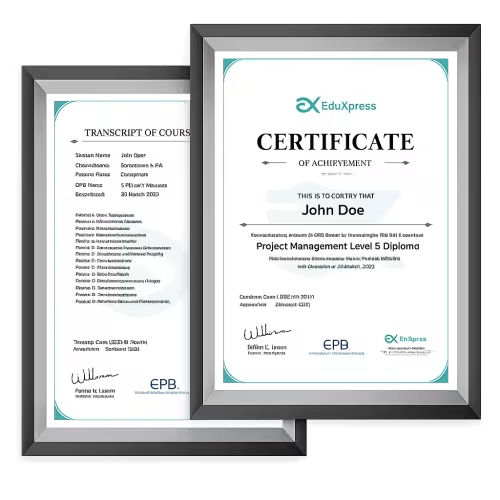
After successfully passing the assessment, learners can order a PDF version of the CPD-accredited certificate to record their learning achievement. An optional printed certificate is available for £24.99. Official Oliver McGowan Mandatory Training certification is obtained separately through the required national e-learning and live interactive training arrangements.
Frequently Asked Questions
What is Oliver McGowan Training on Learning Disability and Autism?
Who was Oliver McGowan?
Who should study this learning disability and autism awareness course?
What is the difference between a learning disability and autism?
Can I study this course online?
What are Tier 1 and Tier 2 in Oliver McGowan Mandatory Training?
Does this EduXpress course complete the official Oliver McGowan Mandatory Training?
Why are reasonable adjustments important in healthcare?
How can staff communicate effectively with autistic people?
What are sensory differences in autism?
What is diagnostic overshadowing?
What is person-centred care for people with learning disabilities?
What is a hospital passport?
What are health inequalities for people with learning disabilities?
What are STOMP, STAMP and LeDeR?
What is Ask Listen Do?
What legislation relates to autism and learning disability support?
What are the core capabilities frameworks for autism and learning disability?
Why is lived experience important in learning disability and autism training?
What career opportunities are related to this training?
Will I receive a certificate after completing this course?
Why Study Oliver McGowan Training on Learning Disability and Autism?
A person’s experience of care can be shaped by seemingly small interactions: whether staff explain what will happen, recognise signs of discomfort or make adjustments to an overwhelming environment. For autistic people and people with learning disabilities, accessible communication and individualised support can make an important difference. Understanding these needs helps workers approach care with greater awareness and respect.
Oliver McGowan Training on Learning Disability and Autism brings together eight learning modules exploring learning disability and autism fundamentals, communication, sensory differences, reasonable adjustments, person-centred support, health inequalities, professional practice and Tier 2 preparation. The course also introduces the core capabilities frameworks and the importance of listening to lived experiences when improving care.
With flexible online study, lifetime access, CPD certification, online assessment and weekday tutor support, Oliver McGowan Training on Learning Disability and Autism offers a structured opportunity to strengthen your learning disability and autism awareness. Enrol today to develop a deeper understanding of inclusive communication, safer care and person-centred support.
Curriculum
- 1 Section
- 8 Lessons
- 10 Weeks
- Oliver McGowan Training on Learning Disability and Autism8 Items
- 1.1Module 01: Learning Disability and Autism Fundamentals
- 1.2Module 02: Communication, Sensory Differences and Reasonable Adjustments
- 1.3Module 03: Person-Centred Care, Human Rights and Inclusion
- 1.4Module 04: Health Inequalities, Wellbeing and Safer Care
- 1.5Module 05: Professional Practice, Team Culture and Inclusive Support
- 1.6Module 06: Oliver McGowan Tier 2 Training Preparation
- 1.7Module 07: Core Capabilities for Supporting People with Learning Disabilities
- 1.8Module 08: Core Capabilities for Supporting Autistic People