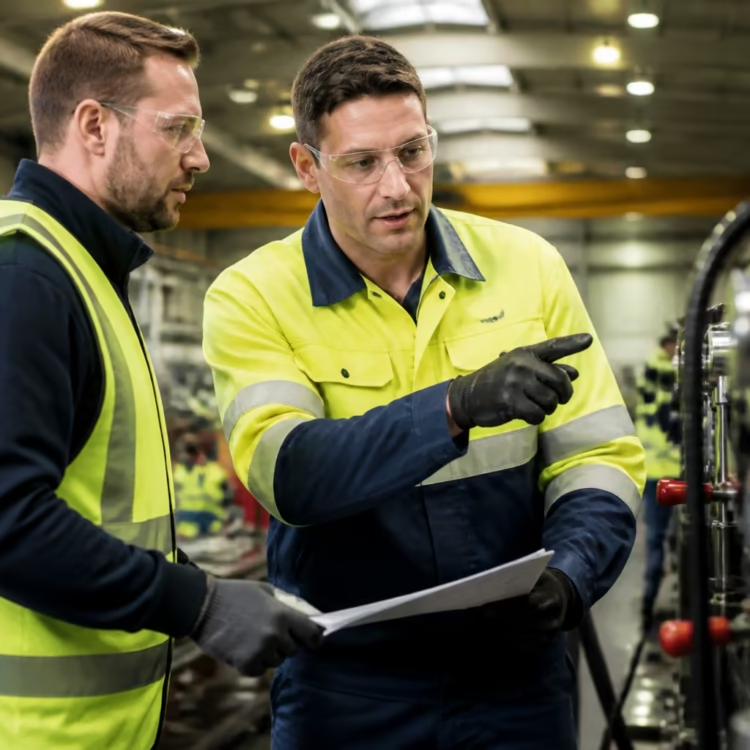
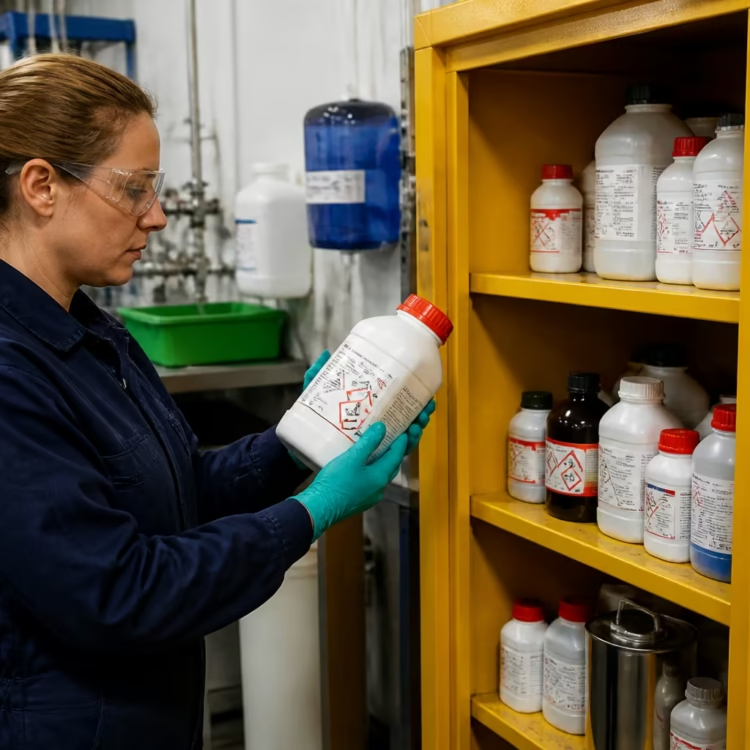
Every safe lift begins with reliable equipment, informed decisions and effective inspection. Develop the technical and regulatory knowledge needed to recognise lifting equipment defects, understand statutory thorough examinations and support safer lifting operations in compliance with UK workplace safety requirements.
LOLER Inspection Training: Lifting Equipment Safety, Thorough Examination & UK Compliance develops technical and regulatory knowledge relevant to lifting equipment inspection, workplace safety and statutory compliance. The course explores LOLER 1998, PUWER, lifting equipment classification, risk assessment, load calculations, inspection procedures, defect identification and professional reporting.
Lifting equipment failures can result in serious injuries, operational disruption and significant organisational consequences. Understanding equipment limitations, examination requirements, inspection responsibilities and defect reporting procedures is essential for professionals involved in lifting operations across construction, engineering, manufacturing, warehousing and industrial environments.
Our LOLER Inspection Training course contains 18 structured modules covering lifting equipment regulations, competent person requirements, safe working loads, lifting accessories, cranes, hoists, forklifts and personnel lifting equipment. You will also explore examination schedules, functional testing, non-destructive examination, maintenance, documentation, digital compliance and practical case studies.
What You’ll Learn to Put Into Action
- Understand LOLER 1998, PUWER and relevant workplace lifting equipment compliance requirements.
- Explore the responsibilities, independence and competency requirements of professionals undertaking statutory thorough examinations.
- Identify different lifting equipment categories, lifting accessories, safe working loads and equipment limitations.
- Develop knowledge of lifting operation planning, risk assessment, load calculations, sling angles and equipment stability.
- Distinguish between pre-use checks, routine inspections, maintenance and statutory thorough examinations.
- Understand examination intervals, written examination schemes and inspection preparation procedures.
- Explore inspection considerations for lifting accessories, cranes, hoists, forklifts, passenger lifts and personnel lifting equipment.
- Recognise equipment defects, deterioration and rejection considerations while understanding appropriate reporting and unsafe equipment management.
- Develop knowledge of inspection documentation, statutory reporting, equipment maintenance, digital compliance management and case-based inspection exercises.
Who Is This Course For?
- Experienced lifting equipment engineers, technicians and individuals developing inspection-related knowledge.
- Health and safety officers, advisers, managers and workplace compliance professionals.
- Crane operators, lifting supervisors, slinger signallers and professionals involved in lifting operations.
- Construction plant mechanics, maintenance engineers and industrial equipment technicians.
- Warehouse managers, forklift supervisors, facilities managers and equipment dutyholders.
- Individuals preparing for further specialist training in lifting equipment inspection, statutory thorough examination and engineering safety.
Why Choose Our LOLER Inspection Training?
- Recognised CPD certification to support continuing professional development.
- Comprehensive coverage of lifting equipment inspection, statutory thorough examination and workplace safety principles.
- Explores LOLER 1998, PUWER and relevant UK lifting equipment compliance responsibilities.
- Develops understanding of lifting accessories, mechanical lifting equipment, passenger lifts and personnel lifting equipment.
- Covers inspection planning, examination intervals, equipment deterioration, defect reporting and rejection considerations.
- Introduces inspection case studies, reporting exercises, maintenance coordination and digital compliance management.
- 24/7 lifetime access to course materials.
- Flexible self-paced online study.
- Efficient online assessment with instant results.
- Full tutor support on weekdays, Monday to Friday.
Career Path
Knowledge gained through LOLER Inspection Training can support professional development across lifting equipment maintenance, construction safety, industrial engineering, equipment operations and workplace compliance. Understanding statutory examination responsibilities, equipment defects and inspection reporting provides valuable supplementary knowledge for experienced professionals progressing towards specialist lifting equipment inspection responsibilities.
- Forklift Driver: £23,000–£32,000 per year
- Construction Plant Mechanic: £26,000–£44,000 per year
- Crane Operator: £25,000–£52,000 per year
- Engineering Maintenance Technician: £27,000–£48,000 per year
- Health and Safety Adviser: £26,000–£48,000 per year
- Construction Site Supervisor: £30,000–£60,000 per year
What the Course Covers
Module 01: Introduction to LOLER Inspection and Lifting Equipment Safety
Explore the foundations of lifting equipment safety and the purpose of the Lifting Operations and Lifting Equipment Regulations 1998. Understand how lifting equipment inspections and statutory thorough examinations contribute to identifying deterioration, preventing equipment failures and supporting safer workplace lifting operations.
Develop awareness of common lifting equipment hazards, professional responsibilities and the consequences of inadequate examination arrangements. Explore the relationship between equipment suitability, safe operation, preventative maintenance and regulatory compliance. Establish foundational knowledge for understanding the technical and legal responsibilities associated with lifting equipment safety.
Module 02: UK LOLER 1998 Regulations, PUWER and Legal Compliance Requirements
Examine the legal framework governing lifting equipment and work equipment safety in Great Britain. Understand the relationship between LOLER 1998, the Provision and Use of Work Equipment Regulations 1998 (PUWER) and the Health and Safety at Work etc. Act 1974. Explore the responsibilities of employers and equipment dutyholders.
Develop awareness of regulatory provisions relating to equipment suitability, maintenance, lifting operations, thorough examination and defect reporting. Explore the relevance of HSE guidance and Approved Codes of Practice. Recognise the importance of determining which legal requirements apply to particular equipment, workplace activities and jurisdictions, including separate Northern Ireland arrangements.
Module 03: Roles, Responsibilities and Competency Requirements of a LOLER Inspector
Explore the professional responsibilities associated with lifting equipment inspection and statutory thorough examination. Understand the importance of equipment-specific theoretical knowledge, practical experience and technical judgement. Examine the role of the competent person in identifying defects and evaluating their significance for equipment safety and continued operation.
Develop awareness of professional independence, impartiality, examination limitations and accurate reporting. Explore the responsibilities of employers, equipment operators, maintenance personnel and competent persons. Recognise that competence must reflect the equipment and examination being undertaken and requires more than completion of an online knowledge-based training course.
Module 04: Types of Lifting Equipment, Accessories and Safe Working Load Identification
Explore different categories of lifting equipment, including cranes, hoists, lifting platforms, forklifts, winches and passenger lifts used at work. Examine lifting accessories such as slings, chains, shackles, lifting beams and hooks. Understand how equipment classification and intended use influence applicable safety and examination requirements.
Develop awareness of safe working load (SWL), working load limit (WLL), equipment identification markings and manufacturer specifications. Explore how equipment configuration and operating conditions may affect permitted lifting capacities. Recognise the importance of confirming equipment suitability and identification before lifting operations or examination activities are undertaken.
Module 05: Lifting Operations Planning, Risk Assessment and Hazard Prevention
Explore the principles of planning and organising safe lifting operations according to the complexity and risks involved. Understand how load characteristics, equipment suitability, environmental conditions, ground stability and nearby hazards influence lifting arrangements. Examine the importance of competent planning, appropriate supervision and clear operational responsibilities.
Develop awareness of lifting-related risk assessments, exclusion zones, communication arrangements and protective measures. Explore potential hazards involving suspended loads, equipment overturning, obstructions, electrical infrastructure and unsuitable lifting configurations. Recognise the importance of reviewing changing conditions and following an approved lifting plan appropriate to the operation.
Module 06: Load Calculations, Sling Angles, Stability and Safe Lifting Techniques
Explore the mathematical and mechanical principles that influence lifting equipment capacity and load distribution. Understand the importance of load weight, centre of gravity, lifting configurations, sling angles and equipment stability. Examine how changes in sling geometry and load arrangement can affect forces acting on lifting accessories.
Develop awareness of manufacturer load charts, equipment ratings, configuration limitations and the importance of accurate calculation methods. Explore factors that may influence equipment stability, including dynamic loading, uneven load distribution and environmental conditions. Recognise that operational lifting decisions require verified information, suitable equipment and competent practical planning.
Module 07: Pre-Use Checks, Routine Inspections and Statutory Thorough Examinations
Examine the differences between pre-use equipment checks, scheduled inspections, routine maintenance and statutory thorough examinations. Understand how these activities serve complementary purposes in identifying equipment deterioration and maintaining safe working conditions. Explore the responsibilities of equipment users, maintenance personnel and competent examination professionals.
Develop awareness of checking equipment condition, identifying visible concerns and reporting abnormalities before use. Explore the more detailed assessment requirements associated with statutory thorough examination. Recognise that routine maintenance, operator checks and servicing cannot replace legally required thorough examinations where LOLER applies.
Module 08: LOLER Inspection Frequencies, Examination Schedules and Written Schemes
Explore statutory thorough examination intervals under LOLER. Understand the usual six-month examination interval for equipment used to lift people and lifting accessories, and the twelve-month interval for other lifting equipment subject to periodic examination. Examine how an appropriate examination scheme prepared by a competent person may specify alternative intervals.
Develop awareness of additional examination requirements arising from installation, reassembly and exceptional circumstances that could compromise equipment safety. Explore examination scheduling, equipment registers, overdue examinations and written scheme management. Recognise how equipment condition, operating environments and patterns of deterioration influence examination planning.
Module 09: Preparing for Lifting Equipment Inspection and Examination Procedures
Explore the preparatory activities associated with lifting equipment inspection and thorough examination. Understand the importance of reviewing equipment identification, manufacturer information, previous examination reports, maintenance records and applicable examination schemes. Examine how available documentation helps establish equipment history and relevant examination requirements.
Develop awareness of safe access arrangements, equipment isolation, examination area preparation and coordination with responsible personnel. Explore the importance of selecting appropriate examination methods and identifying limitations before work begins. Recognise how effective preparation contributes to reliable technical assessment and safe examination conditions.
Module 10: Inspecting Lifting Accessories: Slings, Chains, Shackles, Hooks and Connectors
Explore examination considerations for lifting accessories, including textile slings, wire rope slings, lifting chains, shackles, hooks and connectors. Understand the importance of equipment identification, rated capacities, structural condition and compatibility. Examine potential deterioration involving abrasion, deformation, corrosion, damaged fittings and unsuitable modifications.
Develop awareness of equipment-specific inspection requirements and the relevance of manufacturer instructions, applicable technical standards and examination schemes. Explore how accessory defects may influence lifting safety and continued serviceability. Recognise the importance of accurate defect identification, appropriate removal from service and competent assessment against relevant rejection criteria.
Module 11: Inspecting Cranes, Hoists, Forklifts, Winches and Mechanical Lifting Equipment
Explore examination considerations for cranes, hoists, forklifts, winches and other mechanical lifting equipment. Understand the functions of load-bearing structures, lifting mechanisms, ropes, chains, hydraulic systems, braking components and safety devices. Examine how different equipment designs influence examination scope and technical assessment requirements.
Develop awareness of mechanical deterioration, structural damage, operational irregularities and safety-critical component concerns. Explore the relevance of equipment-specific examination procedures, maintenance histories and manufacturer specifications. Recognise that different machinery categories require suitable practical expertise and technical competence to evaluate continued safe operation.
Module 12: Inspection Requirements for Passenger Lifts, MEWPs and Personnel Lifting Equipment
Explore safety and examination requirements associated with equipment used to lift people, including passenger lifts, mobile elevating work platforms (MEWPs) and personnel lifting platforms. Understand the additional risks associated with lifting individuals and the importance of suitable equipment, protective measures, reliable operating systems and emergency arrangements.
Develop awareness of examination considerations involving access gates, safety devices, platform structures, emergency controls and other safety-critical components. Explore how equipment design, intended use and operating conditions influence examination requirements. Recognise the importance of equipment-specific expertise, applicable regulations and appropriate rescue arrangements for personnel lifting activities.
Module 13: Visual Inspection, Functional Testing and Non-Destructive Examination Techniques
Explore different examination methods used to assess lifting equipment condition and identify potential defects. Understand the purposes of visual examination, dimensional assessment, functional testing and non-destructive testing techniques. Examine how equipment design, examination history and suspected deterioration influence the selection of appropriate assessment methods.
Develop awareness of techniques such as ultrasonic testing, magnetic particle testing and liquid penetrant testing at an introductory level. Explore the importance of suitable testing conditions, specialist competence and accurate interpretation of findings. Recognise that load testing is not automatically required during every thorough examination and must be technically justified where undertaken.
Module 14: Identifying Equipment Defects, Wear, Corrosion and Rejection Criteria
Examine common deterioration mechanisms affecting lifting equipment and accessories, including wear, fatigue, corrosion, cracking, distortion and mechanical damage. Understand how environmental exposure, loading conditions, operational history and inadequate maintenance may contribute to equipment deterioration. Explore the potential safety implications of defects affecting load-bearing and safety-critical components.
Develop awareness of equipment-specific rejection criteria, manufacturer tolerances and relevant technical examination requirements. Explore the importance of distinguishing acceptable service wear from defects that may compromise equipment safety. Recognise why numerical rejection limits must be obtained from appropriate technical sources rather than applying universal thresholds to different equipment types.
Module 15: Unsafe Equipment Management, Defect Reporting and Emergency Procedures
Explore appropriate professional responses when lifting equipment is identified as defective or potentially unsafe. Understand the importance of preventing continued use where defects present an immediate danger, communicating findings promptly and following established isolation or equipment quarantine arrangements. Examine the responsibilities of competent persons and equipment dutyholders.
Develop awareness of statutory defect notification, written examination reports, corrective actions and emergency procedures. Explore circumstances requiring notification to the relevant enforcing authority, particularly defects involving existing or imminent risks of serious personal injury. Recognise the importance of coordinated responses, accurate records and appropriate authorisation before equipment returns to service.
Module 16: LOLER Inspection Reports, Certification, Documentation and Record Keeping
Explore the documentation requirements associated with lifting equipment thorough examinations and inspections. Understand the significance of LOLER Schedule 1 and the information required within statutory examination reports. Examine equipment identification, examination dates, rated capacities, defect descriptions, corrective action requirements and subsequent examination arrangements.
Develop awareness of professional report writing, document accuracy, authentication and secure record retention. Explore the distinction between a statutory report of thorough examination, equipment conformity documentation and training certificates. Recognise how accurate documentation supports equipment traceability, regulatory oversight, maintenance coordination and accountable safety management.
Module 17: Equipment Maintenance, Re-Examination and Digital Compliance Management
Examine the relationship between lifting equipment maintenance, repair activities and statutory examination requirements. Understand the importance of preventative maintenance, manufacturer recommendations and documented corrective actions. Explore circumstances in which equipment damage, significant modification or other exceptional events may require further examination before continued use.
Develop awareness of digital equipment registers, examination scheduling systems, electronic reports and automated compliance reminders. Explore how digital records can support equipment traceability, defect monitoring, maintenance coordination and audit preparation. Recognise the importance of maintaining accurate information, authorised access and reliable documentation throughout equipment service life.
Module 18: Practical LOLER Inspection Case Studies, Reporting Exercises and Final Assessment
Bring together lifting equipment inspection knowledge through case-based learning involving equipment condition, examination requirements, potential defects and compliance responsibilities. Explore realistic workplace scenarios that require learners to consider relevant documentation, technical limitations, safety concerns and appropriate professional reporting decisions.
Develop awareness of structured examination reporting through scenario-based exercises involving defect descriptions, corrective actions and equipment management. Review the key regulatory and technical concepts introduced throughout the training before completing the final assessment. Recognise the importance of applying theoretical learning alongside suitable practical experience and professional competency development.
Accreditation & Recognition
LOLER Inspection Training is a CPD-accredited online course designed to support continuing professional development in lifting equipment safety, statutory thorough examination and workplace compliance. It provides structured learning in LOLER 1998, PUWER, equipment inspection, defect identification, examination reporting, lifting operations and digital compliance management.
After successfully completing the course assessment, learners can order a recognised CPD-accredited certificate as evidence of their learning achievement. The certificate can complement an engineering CV, workplace safety training record or professional-development portfolio and demonstrate continued learning relevant to lifting equipment safety and examination responsibilities.
- Recognised CPD certification focused on lifting equipment inspection, statutory examination awareness and workplace compliance.
- Comprehensive coverage of LOLER, PUWER, lifting equipment safety, defect identification, examination schedules and professional reporting.
- 100% online and self-paced study with lifetime access to course materials.
- Online assessment designed to check understanding of the subjects covered.
- Option to order a CPD-accredited digital certificate after successful completion.
- Printed certificate available for £24.99.
Assessment & Certification: LOLER Inspection Training: Lifting Equipment Safety, Thorough Examination & UK Compliance
The course includes an online assessment designed to evaluate your understanding of the lifting equipment inspection principles, regulatory requirements and technical concepts covered throughout the training. Learners can complete the assessment as part of flexible online study, with efficient assessment and instant results available upon completion.
The assessment covers LOLER 1998, PUWER, competent person responsibilities, lifting accessories, load calculations, examination intervals, machinery inspection and defect identification. It also examines understanding of safe equipment management, statutory examination reports, maintenance coordination, digital compliance and case-based inspection scenarios.

After successfully passing the assessment, you can order a PDF version of the CPD-accredited certificate to record your learning achievement in LOLER inspection and lifting equipment safety. An optional printed certificate is available for £24.99. The certificate supports professional development alongside equipment-specific practical training and experience.
Frequently Asked Questions
What does LOLER stand for?
What is LOLER Inspection Training?
What is the difference between LOLER and PUWER?
Is LOLER a legal requirement in the UK?
What equipment is covered by LOLER?
What is a LOLER thorough examination?
How often must lifting equipment undergo a LOLER thorough examination?
Where periodic thorough examination is required under LOLER, the usual statutory intervals depend on the equipment category and whether an appropriate examination scheme establishes alternative arrangements.
| Equipment Category | Usual Examination Interval |
|---|---|
| Lifting equipment used to lift people | Every 6 months |
| Lifting accessories | Every 6 months |
| Other lifting equipment | Every 12 months |
| Equipment covered by an appropriate examination scheme | As specified in the examination scheme |
Additional examinations may be necessary following relevant installation, reassembly or exceptional circumstances that could affect equipment safety. Module 08 explores examination schedules, statutory intervals and written examination schemes in greater detail.
What is a written scheme of examination under LOLER?
Who can carry out a LOLER thorough examination?
Does a LOLER competent person have to be an external inspector?
Can I become a LOLER inspector after completing this online course?
What is the difference between a LOLER inspection and a thorough examination?
Does new lifting equipment need a LOLER thorough examination before first use?
What is the difference between SWL and WLL?
Why are sling angles important in lifting operations?
Do lifting slings, chains and shackles require LOLER thorough examinations?
Do forklifts require both LOLER and PUWER inspections?
How often do passenger lifts require a LOLER thorough examination?
How often do MEWPs require thorough examinations?
Is load testing required during every LOLER thorough examination?
What is non-destructive testing (NDT) in lifting equipment inspection?
What are common defects found during lifting equipment inspections?
What happens if lifting equipment fails a LOLER thorough examination?
When must a LOLER defect report be sent to the enforcing authority?
What should a LOLER thorough examination report include?
A statutory thorough examination report must contain the applicable particulars required by Schedule 1 of LOLER. These establish equipment traceability, examination findings and relevant responsibilities for corrective action and future examination arrangements.
- Details identifying the employer, equipment and relevant examination location.
- Equipment description and applicable safe working load information.
- Relevant examination dates and the basis for undertaking the examination.
- Defects affecting safety and applicable remedial action requirements.
- Relevant testing information and the latest date for the next examination.
- Identification, authentication and relevant details of the competent person.
Module 16 explores professional documentation and statutory reporting. Reports must meet the full applicable Schedule 1 requirements rather than relying solely on a simplified inspection checklist.
How long should LOLER thorough examination records be kept?
Is a LOLER certificate the same as a thorough examination report?
Can lifting equipment be used if its LOLER thorough examination is overdue?
Does repaired lifting equipment need another LOLER thorough examination?
Who is responsible for LOLER compliance when lifting equipment is hired?
What is the difference between LOLER and RIDDOR reporting?
Can LOLER examination records be managed digitally?
How much do lifting equipment and safety professionals earn in the UK?
Is LOLER Inspection Training suitable for beginners?
Does the course include practical LOLER inspection exercises?
Is this LOLER Inspection Training course approved by the HSE?
How long is a LOLER Inspection Training certificate valid for?
Can employers use this course for lifting equipment staff training?
Will I receive a certificate after completing LOLER Inspection Training?
Why Study LOLER Inspection Training: Lifting Equipment Safety, Thorough Examination & UK Compliance?
Safe lifting operations depend on suitable equipment, effective planning, competent personnel and reliable examination arrangements. Understanding regulatory responsibilities, equipment deterioration and professional reporting can help organisations strengthen workplace safety, identify potential hazards and maintain more effective lifting equipment management practices.
LOLER Inspection Training brings these areas together through 18 structured modules covering LOLER 1998, PUWER, competent person responsibilities, lifting accessories, load calculations and statutory examinations. The course also explores machinery inspection, testing methods, defect management, documentation, maintenance, digital compliance and case-based inspection exercises.
With flexible online study, lifetime access, recognised CPD certification, online assessment and weekday tutor support, LOLER Inspection Training offers a structured approach to developing specialist lifting equipment safety knowledge. Enrol today and strengthen your understanding of inspection responsibilities, statutory compliance and safer industrial lifting practices.
Curriculum
- 1 Section
- 18 Lessons
- 10 Weeks
- LOLER Inspection Training: Lifting Equipment Safety, Thorough Examination & UK Compliance18 Items
- 1.1Module 01: Introduction to LOLER Inspection and Lifting Equipment Safety
- 1.2Module 02: UK LOLER 1998 Regulations, PUWER and Legal Compliance Requirements
- 1.3Module 03: Roles, Responsibilities and Competency Requirements of a LOLER Inspector
- 1.4Module 04: Types of Lifting Equipment, Accessories and Safe Working Load Identification
- 1.5Module 05: Lifting Operations Planning, Risk Assessment and Hazard Prevention
- 1.6Module 06: Load Calculations, Sling Angles, Stability and Safe Lifting Techniques
- 1.7Module 07: Pre-Use Checks, Routine Inspections and Statutory Thorough Examinations
- 1.8Module 08: LOLER Inspection Frequencies, Examination Schedules and Written Schemes
- 1.9Module 09: Preparing for Lifting Equipment Inspection and Examination Procedures
- 1.10Module 10: Inspecting Lifting Accessories: Slings, Chains, Shackles, Hooks and Connectors
- 1.11Module 11: Inspecting Cranes, Hoists, Forklifts, Winches and Mechanical Lifting Equipment
- 1.12Module 12: Inspection Requirements for Passenger Lifts, MEWPs and Personnel Lifting Equipment
- 1.13Module 13: Visual Inspection, Functional Testing and Non-Destructive Examination Techniques
- 1.14Module 14: Identifying Equipment Defects, Wear, Corrosion and Rejection Criteria
- 1.15Module 15: Unsafe Equipment Management, Defect Reporting and Emergency Procedures
- 1.16Module 16: LOLER Inspection Reports, Certification, Documentation and Record Keeping
- 1.17Module 17: Equipment Maintenance, Re-Examination and Digital Compliance Management
- 1.18Module 18: Practical LOLER Inspection Case Studies, Reporting Exercises and Final Assessment