A library is more than a collection of books. It’s a place where information becomes accessible, communities connect and knowledge is preserved for the future. Explore how modern libraries organise resources, embrace digital technology and help people find the information they need.
Someone visits a library looking for a reliable historical document, but searching the shelves produces no results. The information might exist in a digital archive, a partner library or a collection organised under an unfamiliar classification. The Library and Information Science Course introduces the systems, professional responsibilities and information management principles that help libraries connect people with relevant resources.
Managing a library involves much more than arranging books and processing loans. You’ll explore organisational structures, professional ethics, library networking and the role of libraries as essential community infrastructure. The course also examines financial planning, resource allocation and the responsibilities involved in making information accessible, helping you understand how effective management supports sustainable library services.
Finding reliable information depends on clear organisation and suitable technology. You’ll examine cataloguing, classification, digital collections and virtual library services, alongside systems used to store and retrieve resources. The course also introduces information technology and library legislation, helping you recognise the importance of accurate records, responsible information handling and providing access within relevant professional and legal requirements.
Successful libraries respond to the changing needs of their users and communities. The final modules explore reader services, community engagement, professional development, library marketing and advocacy. Whether you’re considering a library career, working in an educational resource centre or developing information management knowledge, this course provides a structured introduction to the people, systems and services behind contemporary librarianship.
What You’ll Learn to Put Into Action
- Understand library organisational structures and management responsibilities.
- Recognise professional ethics, information access and privacy principles.
- Explore library networking, collaboration and resource sharing.
- Understand budgeting, financial planning and collection development.
- Apply introductory cataloguing, classification and metadata concepts.
- Explore digital libraries, virtual collections and information retrieval.
- Improve awareness of library services and community engagement.
- Recognise UK library legislation and information management obligations.
- Understand library technologies, career development and service promotion.
Who Is This Course For?
- Aspiring library assistants preparing for information service careers.
- Library volunteers developing knowledge of collections and user services.
- School library staff interested in resource organisation and management.
- University and college support staff working with learning resources.
- Information management assistants seeking cataloguing and classification knowledge.
- Community library organisers developing services and engagement activities.
- Education professionals interested in digital and virtual libraries.
- Administrative staff responsible for maintaining information and records.
- Students considering further study in library and information science.
- Professionals seeking continuing development in library service management.
Career Path
Library and information science knowledge is relevant to public libraries, schools, colleges, universities, archives, research organisations and specialist information services. Entry-level employees may begin by assisting library users, organising materials, maintaining records and supporting collection management. With workplace experience, relevant qualifications and further professional development, career opportunities may extend into librarianship, information management and archival services. The following are indicative UK annual salary ranges for related occupations.
- Library Assistant / Information Assistant: Approximately £22,000–£27,000 per year.
- Librarian / Library Officer: Approximately £25,000–£40,000 per year.
- Information Officer / Information Scientist: Approximately £21,000–£45,000 per year.
- Archivist / Records Management Professional: Approximately £23,000–£45,000 per year.
- School Librarian / Learning Resource Manager: Approximately £25,000–£40,000 per year.
Why Choose Our Library and Information Science Course?
- Explore library and information management through 12 focused learning modules.
- 100% online, flexible study with lifetime course access.
- Understand cataloguing, classification and digital resource management.
- Explore library legislation, professional ethics and information privacy.
- Learn about budgeting, community engagement and service promotion.
- Complete an online multiple-choice knowledge assessment.
- Order a digital certificate after successful completion, with an optional printed version.
What the Course Covers
Module 1 Organisational Systems in Libraries
Libraries rely on effective organisational systems to manage collections, employees and services. This module introduces library structures, operational responsibilities, workflows and resource management. You’ll explore how public, academic and specialist libraries organise their activities to meet different user needs. The lessons also consider administrative procedures, service planning, performance monitoring and the importance of maintaining accurate information across library departments.
Module 2 Ethics and Values in the Library
Professional ethics influence how libraries provide access to information and serve their communities. This module introduces intellectual freedom, inclusion, confidentiality, privacy and responsible information management. You’ll explore ethical decision-making, handling sensitive information and promoting fair access to resources. The lessons also consider professional integrity, avoiding discrimination and balancing different user needs with relevant legal and organisational responsibilities.
Module 3 Library Networking
Library networking enables organisations to collaborate, share resources and improve access to information. This module introduces library partnerships, cooperative catalogues, interlibrary lending and information exchange. You’ll explore how networks connect different libraries and support users seeking materials beyond local collections. The lessons also consider professional collaboration, digital connectivity and the importance of compatible systems when exchanging records and information.
Module 4 Library as Infrastructure
Libraries serve as important educational, cultural and community infrastructure. This module introduces their role in supporting literacy, learning, research, digital inclusion and public access to information. You’ll explore library spaces, technology facilities and the services provided to different community groups. The lessons also consider accessibility, social inclusion and how physical and digital infrastructure contribute to effective library provision.
Module 5 Finance and Budgeting
Financial planning helps libraries manage limited resources while maintaining useful collections and services. This module introduces library budgets, expenditure planning, resource allocation and financial monitoring. You’ll explore the costs associated with staffing, acquisitions, subscriptions, technology and facilities. The lessons also consider evaluating spending priorities, identifying funding opportunities and using financial information to support responsible library management decisions.
Module 6 Cataloguing and Classification
Cataloguing and classification help library users discover and locate information resources. This module introduces bibliographic descriptions, subject organisation, classification numbers and catalogue records. You’ll explore concepts associated with Dewey Decimal Classification, metadata and library catalogues. The lessons also consider consistency, resource discoverability and why accurate information is essential when organising printed materials, electronic resources and specialist collections.
Module 7 Digital and Virtual Libraries
Digital and virtual libraries expand access to information beyond traditional physical collections. This module introduces electronic books, online databases, digital archives and remote library services. You’ll explore digital resource organisation, search systems and user access considerations. The lessons also examine licensing, accessibility, information preservation and the role of technology in supporting learning, research and access to electronic collections.
Module 8 User Services and Community Engagement
Library services are most effective when they respond to the needs of users and the wider community. This module introduces reader assistance, reference enquiries, user education and community outreach. You’ll explore understanding information needs, supporting digital literacy and developing inclusive activities. The lessons also consider accessibility, collecting feedback and strengthening relationships with schools, community organisations and local service providers.
Module 9 Library Legislation
Library services operate within legal frameworks covering public provision, copyright, privacy and accessibility. This module introduces relevant UK legislation, including the Public Libraries and Museums Act 1964, copyright requirements and data protection principles. You’ll explore how legal duties influence information access and collection management. The lessons also consider confidentiality, equality and recognising when specialist legal or organisational guidance is required.
Module 10 Career Development for Librarians
Library and information careers offer opportunities across public services, education, research and specialist organisations. This module introduces professional roles, workplace skills and career development routes. You’ll explore entry-level library employment, further qualifications, volunteering and professional associations such as CILIP. The lessons also consider reflective practice, continuing professional development and building experience for more specialised information management responsibilities.
Module 11 Information Technology in Libraries
Information technology supports library operations, resource discovery and access to digital services. This module introduces integrated library management systems, online catalogues, databases and electronic information tools. You’ll explore circulation systems, digital records and technology used to organise collections. The lessons also consider information security, system accessibility and the importance of training library users and staff in effective digital resource use.
Module 12 Library Marketing and Advocacy
Library marketing and advocacy help communities understand the value of available information services. This final module introduces service promotion, public communication, community partnerships and awareness campaigns. You’ll explore identifying audiences, promoting resources and demonstrating library impact. The lessons also consider collecting evidence of service benefits, engaging stakeholders and communicating why accessible library services deserve continued attention and support.
Accreditation & Recognition
The Library and Information Science Course introduces library organisation, professional ethics, resource sharing, collection management, cataloguing, classification, digital libraries, user services, relevant legislation and information technology. It supports continuing professional development for individuals interested in librarianship, learning resource centres, archives and information management.
- Earn a CPD-style certificate of completion (where applicable).
- 100% online, self-paced study with lifetime access.
- Includes online multiple-choice assessment and knowledge checks.
- Optional digital certificate (printed version available for £24.99).
- Supports professional development in library services and information management.
Assessment & Certification: Library and Information Science Course
Your understanding is assessed through an online multiple-choice assessment with a 60% pass mark, covering library organisational systems, professional ethics, library networking, information infrastructure, finance and budgeting, cataloguing, classification, digital and virtual libraries, user services, community engagement, library legislation, professional development, information technology and library advocacy.
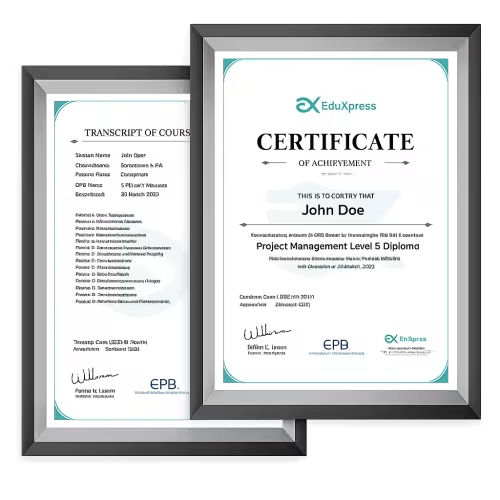
After successfully completing the online assessment, you can order a digital certificate documenting your learning in library management and information science principles. An optional printed certificate is available for £24.99. The course supports professional development but does not independently award CILIP professional registration or an accredited degree in librarianship.
Frequently Asked Questions
What is library and information science?
What will I learn in the Library and Information Science Course?
Is this library science course suitable for beginners?
Do I need previous library experience to study this course?
How long does the Library and Information Science Course take?
What does a librarian do in the UK?
What is the difference between a librarian and a library assistant?
What types of libraries exist in the UK?
What is library management?
What are organisational systems in libraries?
Why are professional ethics important in librarianship?
What is intellectual freedom in library services?
How do libraries protect user privacy?
What is library networking and resource sharing?
What is an interlibrary loan?
Why are libraries considered important community infrastructure?
How do libraries support digital inclusion?
What is library collection development?
How do library budgets work?
What is cataloguing in library science?
What is the difference between cataloguing and classification?
What is the Dewey Decimal Classification system?
What is the Library of Congress Classification system?
What is metadata in library information systems?
What are MARC 21 and RDA in library cataloguing?
What is an OPAC in a library?
What is a digital library?
What is the difference between a digital library and a virtual library?
How do libraries manage e-books and online databases?
What is an integrated library management system?
How is RFID technology used in libraries?
How do libraries improve user services?
What is community engagement in libraries?
How can libraries support people with disabilities?
What is the Public Libraries and Museums Act 1964?
Are public library services legally required in England?
How does copyright law affect libraries?
Can libraries make accessible copies of copyrighted materials?
How does UK GDPR apply to library membership records?
What is CILIP and why is it important to librarians?
Do I need a degree to work in a library?
What qualifications do I need to become a professional librarian?
Can I become a librarian through an apprenticeship?
How much does a library assistant earn in the UK?
How much does a librarian earn in the UK?
What career opportunities are available in information science?
How can library staff progress into management?
What is library marketing?
What is library advocacy?
Can I study the Library and Information Science Course while working?
Will I receive a certificate after completing the Library and Information Science Course?
Curriculum
- 1 Section
- 14 Lessons
- Lifetime
- Library and Information Science Course14 Items
- 1.1Module 1 Organisational Systems in Libraries
- 1.2Module 2 Ethics and Values in the Library
- 1.3Module 3 Library Networking
- 1.4Module 4 Library as Infrastructure
- 1.5Module 5 Finance and Budgeting
- 1.6Module 6 Cataloguing and Classification
- 1.7Module 7 Digital and Virtual Libraries
- 1.8Module 8 User Services and Community Engagement
- 1.9Module 9 Library Legislation
- 1.10Module 10 Career Development for Librarians
- 1.11Module 11 Information Technology in Libraries
- 1.12Module 12 Library Marketing and Advocacy
- 1.13Mock Exam (Library and Information Science Course)
- 1.14Final Exam