Develop a strong foundation in Level 3 Mechanical Engineering with a comprehensive online course designed to introduce the principles, methods and technologies used across modern mechanical engineering. Explore core engineering concepts, mechanical systems, materials, manufacturing and engineering design.
This course covers engineering mechanics, thermodynamics, fluid mechanics, strength of materials, manufacturing processes, material science and mechanical system design. You will also explore dynamics and vibrations, heat transfer, energy systems, robotics, automation, renewable energy and the use of CAD and CAM applications in engineering.
Whether you are developing your engineering knowledge, preparing for further study or seeking to understand modern mechanical engineering technologies, this course provides a structured learning pathway. Study online at your own pace and build knowledge relevant to a wide range of engineering environments.
Learning Outcomes
- Develop a clear understanding of the fundamental principles of mechanical engineering.
- Understand key concepts in engineering mechanics and mechanical systems.
- Explore the principles of thermodynamics and their engineering applications.
- Understand fundamental concepts of fluid mechanics and fluid behaviour.
- Develop knowledge of strength of materials and mechanical properties.
- Explore common manufacturing processes used in mechanical engineering.
- Understand material science and the selection of engineering materials.
- Develop knowledge of mechanical system design principles.
- Understand the fundamentals of dynamics and mechanical vibrations.
- Explore heat transfer mechanisms and energy system principles.
- Understand the role of robotics and automation in modern engineering.
- Explore the principles and applications of renewable energy systems.
- Develop awareness of CAD applications in mechanical engineering design.
- Understand the role of CAM in computer-aided manufacturing.
- Explore the relationship between engineering design, materials and manufacturing.
- Understand how mechanical engineering principles are applied to practical systems.
- Develop awareness of modern technologies influencing mechanical engineering.
- Explore emerging developments and innovations within the engineering sector.
- Build a broader understanding of mechanical engineering applications across industries.
- Build knowledge that can support continuing professional development and further engineering study.
Who Is This Course For?
- Beginners who want to develop a foundation in mechanical engineering.
- Students considering further study in mechanical or engineering-related subjects.
- Engineering employees who want to broaden their technical knowledge.
- Technicians and manufacturing personnel seeking to understand mechanical engineering principles.
- Learners interested in CAD, CAM, robotics, automation and modern engineering technologies.
- Professionals seeking structured CPD learning in mechanical engineering.
- Anyone interested in developing knowledge of mechanical systems, energy and engineering design.
Why Choose Our Level 3 Mechanical Engineering Course?
- Instantly accessible CPD-accredited digital certificate on successful completion of this course.
- 24/7 access to the course material for lifetime.
- Study at your own pace.
- No hidden fees or exam charges.
- Efficient assessment and instant results.
- Full tutor support on weekdays Monday to Friday.
Career Path
A strong foundation in Level 3 Mechanical Engineering can support further learning and career development across engineering, manufacturing, maintenance, design, energy and automation environments. Potential roles and salary ranges may vary depending on experience, location, employer, qualifications and industry requirements.
- Engineering Assistant £24,000–£32,000 per year
- Mechanical Engineering Technician £27,000–£38,000 per year
- Manufacturing Technician £26,000–£38,000 per year
- Mechanical Design Technician £27,000–£40,000 per year
- CAD Technician £25,000–£38,000 per year
- Maintenance Engineer £30,000–£48,000 per year
- Mechanical Engineer £30,000–£50,000 per year
Module Descriptions: Level 3 Mechanical Engineering
Module 01: Introduction to Mechanical Engineering
This module introduces the field of mechanical engineering and its role in designing, developing, manufacturing and maintaining mechanical systems. Explore the major branches of mechanical engineering and the relationship between engineering theory and practical applications.
You will also develop an understanding of engineering principles, problem-solving approaches, safety considerations and the importance of mechanical engineering across industries such as manufacturing, automotive, aerospace, energy and robotics.
Module 02: Engineering Mechanics
Explore the fundamental principles of engineering mechanics, including forces, moments, equilibrium, motion and mechanical systems. Learn how mechanics is used to analyse the behaviour of engineering components and structures.
The module provides an introduction to concepts such as statics and dynamics, helping you understand how loads and forces influence mechanical systems and engineering designs.
Module 03: Thermodynamics
Develop an understanding of thermodynamic principles and how energy is transferred and transformed within engineering systems. Explore concepts including temperature, heat, work, energy and thermodynamic processes.
You will also consider the relevance of thermodynamics to engines, power generation, heating systems and other mechanical engineering applications.
Module 04: Fluid Mechanics
This module introduces the behaviour of fluids and the principles used to analyse fluid systems. Explore concepts such as pressure, fluid flow, density, viscosity and basic fluid dynamics.
Understand how fluid mechanics contributes to the design and operation of pumps, pipes, turbines, hydraulic systems and other engineering equipment.
Module 05: Strength of Materials
Explore how engineering materials respond to different types of loading and mechanical stress. Develop knowledge of concepts including stress, strain, elasticity, deformation and material strength.
The module also introduces the importance of material behaviour when designing mechanical components and structures intended to withstand operational loads.
Module 06: Manufacturing Processes
Gain an overview of manufacturing processes used to transform raw materials into engineering components and products. Explore processes such as machining, casting, forming, joining and other common production methods.
Understand how manufacturing methods can influence component quality, cost, production efficiency, material selection and mechanical design.
Module 07: Material Science and Engineering
Develop knowledge of engineering materials and their properties, including metals, polymers, ceramics and composite materials. Explore how material structure influences mechanical and physical behaviour.
You will also consider material selection for engineering applications and the relationship between material properties, performance, manufacturing and product design.
Module 08: Design of Mechanical Systems
This module introduces the principles involved in designing mechanical systems and components. Explore design considerations including functionality, loads, materials, performance, reliability and safety.
Learn how different engineering principles can be brought together during the development of mechanical products and systems, from initial concepts through to practical design considerations.
Module 09: Dynamics and Vibrations
Explore the behaviour of mechanical systems in motion and develop an understanding of dynamic forces, acceleration and mechanical response. The module introduces the fundamentals of vibration in engineering systems.
Understand why vibration analysis is important for mechanical equipment, machinery and structures, including considerations related to performance, reliability, comfort and maintenance.
Module 10: Heat Transfer and Energy Systems
Develop knowledge of the main mechanisms of heat transfer, including conduction, convection and radiation. Explore how heat moves through engineering systems and how thermal performance can be considered during design.
The module also introduces energy systems and their relevance to mechanical engineering, including applications involving power generation, heating, cooling and energy conversion.
Module 11: Robotics and Automation
Explore the growing role of robotics and automation within modern mechanical engineering and manufacturing. Develop an understanding of automated systems, robotic equipment and their applications in industrial environments.
You will also consider how mechanical engineering principles contribute to robotic mechanisms, automated production systems and the development of more efficient manufacturing processes.
Module 12: Renewable Energy Systems
This module introduces renewable energy technologies and their relationship with mechanical engineering. Explore energy systems associated with sources such as wind, solar, hydro and other sustainable technologies.
Understand the role of mechanical engineering in the design, operation, maintenance and development of renewable energy equipment and energy conversion systems.
Module 13: CAD and CAM Applications
Develop an understanding of computer-aided design and computer-aided manufacturing and their importance in modern mechanical engineering. Explore how digital design tools can support the development and modification of engineering components.
The module also introduces the relationship between CAD models and manufacturing processes, helping you understand how digital engineering workflows can support design, production and engineering documentation.
Module 14: Emerging Technologies in Mechanical Engineering
Explore emerging technologies that are influencing the future of mechanical engineering, including advanced manufacturing, smart engineering systems, automation, digital technologies and innovative materials.
Develop awareness of how technological developments are changing engineering design, manufacturing, energy systems and industrial operations, while considering the importance of continued learning and professional development.
Certification: Level 3 Mechanical Engineering
Upon successful completion of the course and assessment, learners can receive an EduXpress digital certificate confirming their completion of the Level 3 Mechanical Engineering course. The certificate provides a convenient way to demonstrate your commitment to structured professional development.
The course is CPD certified and is designed to support continuing professional development through flexible online learning. It provides educational knowledge across key areas of mechanical engineering, from engineering mechanics and thermodynamics to modern technologies such as CAD, CAM, robotics and automation.
With 14 focused modules, the course covers a broad range of mechanical engineering concepts and applications. Learners can study the material at their own pace and use the knowledge gained to support further learning, professional development or career exploration.
Please note that this online course and its certificate do not by themselves constitute a regulated mechanical engineering qualification, professional registration or licence to practise. Practical engineering competence may require formal qualifications, supervised experience, workplace training, practical assessments and employer or industry-specific requirements.
The regular price of the Digital Certificate is £12.99, while the Printed Certificate is £24.99
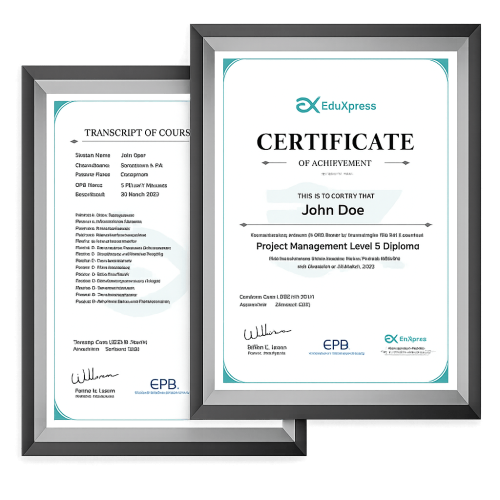
Please note: The course is intended for educational and professional development purposes. It does not replace practical engineering training, workplace health and safety training, supervised engineering experience, formal engineering qualifications or competency assessments where these are required.
Frequently Asked Questions
What is Level 3 Mechanical Engineering?
Level 3 Mechanical Engineering is an online course designed to introduce learners to important mechanical engineering principles, including mechanics, thermodynamics, materials, manufacturing, design, energy systems and modern engineering technologies.
Is this Level 3 Mechanical Engineering course suitable for beginners?
Yes. The course is structured to provide foundational knowledge and is suitable for beginners, students, technicians and learners who want to develop their understanding of mechanical engineering.
What will I learn from this course?
You will explore engineering mechanics, thermodynamics, fluid mechanics, strength of materials, manufacturing, material science, mechanical design, dynamics, vibrations, heat transfer, robotics, renewable energy, CAD, CAM and emerging technologies.
How many modules are included?
The course contains 14 focused modules covering core mechanical engineering concepts and a range of modern engineering applications.
Can I study this course online?
Yes. The course is designed for flexible online learning, allowing you to study the material at your own pace.
Do I need previous engineering experience?
No specific previous engineering experience is required for this introductory course. Learners with existing technical knowledge can also use it to broaden their understanding.
Does the course cover thermodynamics?
Yes. The thermodynamics module introduces important concepts involving heat, work, energy, temperature and thermodynamic processes.
Does the course cover fluid mechanics?
Yes. You will explore fundamental fluid mechanics concepts including pressure, fluid properties and fluid flow, together with their engineering applications.
Will I learn about engineering materials?
Yes. The course includes dedicated content on material science and engineering, including material properties, material behaviour and engineering material selection.
Does the course cover manufacturing?
Yes. The manufacturing module introduces common engineering production processes and considers how manufacturing methods relate to design, materials, quality and production efficiency.
Does this course include CAD and CAM?
Yes. A dedicated module introduces CAD and CAM applications and explains their role in modern mechanical engineering design and manufacturing workflows.
Does the course cover robotics?
Yes. The robotics and automation module introduces the role of robotic and automated systems in modern engineering and manufacturing environments.
Will I learn about renewable energy?
Yes. The renewable energy module introduces several renewable energy technologies and considers the role of mechanical engineering in energy systems.
Is the course CPD certified?
Yes. The course is positioned as CPD certified and is designed to support continuing professional development through structured online learning.
Will I receive a certificate?
Yes. Successful completion of the course and assessment allows you to receive an EduXpress digital certificate. A printed certificate is also available at the stated additional price.
Does this course make me a qualified mechanical engineer?
No. Completing this online course does not by itself provide a regulated engineering qualification, professional registration or authorisation to practise as a mechanical engineer.
Can this course replace practical engineering training?
No. The course provides theoretical and educational knowledge. Practical engineering skills may require hands-on training, supervised experience, workplace instruction and competency assessment.
Can I use this course for career development?
The course can help you develop knowledge relevant to mechanical engineering and related technical environments. Career requirements vary according to the role, employer, industry and level of responsibility.
Is this course useful for further engineering study?
The course can provide a useful foundation for learners considering further study in mechanical engineering or related technical subjects, subject to the entry requirements of the chosen programme.
How long do I have access to the course?
You have 24/7 lifetime access to the course material, allowing you to study and revisit the content at your own pace.
Is tutor support available?
Yes. Full tutor support is available on weekdays from Monday to Friday to assist learners during their studies.
Are there any hidden fees or exam charges?
There are no hidden fees or exam charges associated with the course as described. Certificate charges apply separately according to the stated certificate options.
Why Study Level 3 Mechanical Engineering?
Mechanical engineering combines scientific principles, engineering design, materials, manufacturing and technology to create and maintain the systems and machines used across modern industry. Studying these fundamentals can help you understand how mechanical systems operate and how engineers approach technical problems.
This Level 3 Mechanical Engineering course brings together essential engineering topics, from mechanics, thermodynamics and materials to CAD, CAM, robotics, renewable energy and emerging technologies. Its flexible online format makes it suitable for learners developing their knowledge alongside work, study or other commitments.
Start your Level 3 Mechanical Engineering learning journey today and develop a broader understanding of the principles, technologies and applications shaping modern mechanical engineering.
Curriculum
- 1 Section
- 14 Lessons
- Lifetime
- Level 3 Mechanical Engineering Online Course14 Items
- 1.1Module 01: Introduction to Mechanical Engineering
- 1.2Module 02: Engineering Mechanics
- 1.3Module 03: Thermodynamics
- 1.4Module 04: Fluid Mechanics
- 1.5Module 05: Strength of Materials
- 1.6Module 06: Manufacturing Processes
- 1.7Module 07: Material Science and Engineering
- 1.8Module 08: Design of Mechanical Systems
- 1.9Module 09: Dynamics and Vibrations
- 1.10Module 10: Heat Transfer and Energy Systems
- 1.11Module 11: Robotics and Automation
- 1.12Module 12: Renewable Energy Systems
- 1.13Module 13: CAD and CAM Applications
- 1.14Module 14: Emerging Technologies in Mechanical Engineering