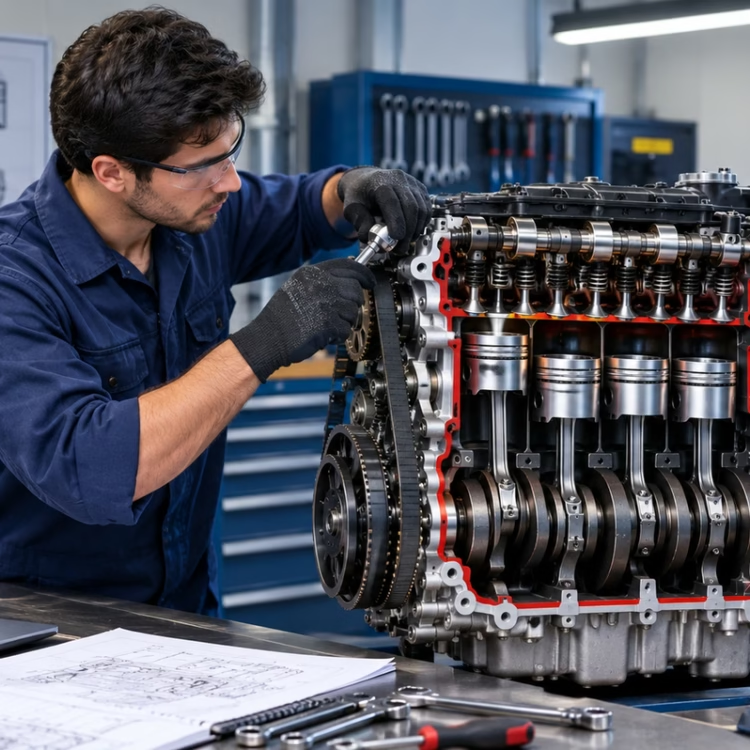
Gas Engineering
In 2026, the demand for skilled gas engineers in the UK is projected to grow by 10%, driven by increased focus on energy efficiency and safety standards. In a market where digital skills are the baseline expectation, that gap limits earning potential, career options, and the ability to add real value. The Gas Engineering course from EduXpress is a fully CPD-accredited, online programme that builds practical, immediately applicable digital skills – designed for UK learners ready to close the gap and perform at the level the market demands.
This course covers essential topics such as gas safety, installation, fault diagnosis, and industry regulations. It helps you build practical skills and confidence in managing gas systems safely and effectively. The course content is designed to reflect current workplace requirements in gas engineering.
You can study online at your own pace with full tutor support during weekdays. Upon passing the assessment, you can obtain a CPD-accredited certificate in digital or hard copy format. This flexible approach ensures you can balance learning with your professional commitments.
Learning Outcomes of Gas Engineering
Upon completion of this Gas Engineering from EduXpress, learners will be able to:
Why Choose Our Gas Engineering Course?
Who is This Gas Engineering For?
Certification: Gas Engineering
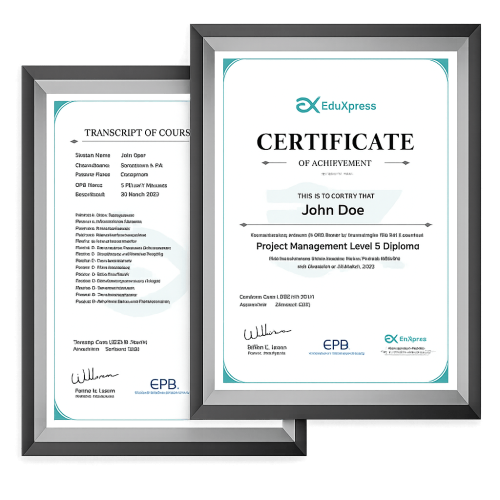
Upon successful completion of the final assessment, you will get a chance to order a CPD-accredited certificate confirming your achievement. This certificate is available in PDF as well as hard copy format, making it suitable for adding to your professional portfolio or CV. Please note this certification does not guarantee employment or entitlement to regulated roles.
Career Path
✓ Gas Engineering Training
Frequently asked questions
Everything you need to know about the Gas Engineering
1. What topics are covered in the Gas Engineering course?
The Gas Engineering course covers gas system design, pipeline technology, safety protocols, and gas flow dynamics. It includes practical training on gas installation, maintenance, and troubleshooting. Learners gain knowledge of regulatory standards and environmental considerations essential for gas engineers working in industrial and commercial settings.
2. Who should enroll in the Gas Engineering course?
The Gas Engineering course is ideal for aspiring gas engineers, technicians, and professionals in the energy sector. It benefits individuals seeking careers in gas distribution, pipeline management, and safety inspection. This course suits learners aiming to enhance skills in gas system design and comply with industry regulations.
3. What are the career prospects after completing the Gas Engineering course?
Graduates of the Gas Engineering course can pursue roles such as gas engineer, pipeline technician, maintenance supervisor, and safety officer. The course prepares learners for positions in natural gas companies, utility providers, and construction firms. Career opportunities are robust, especially in regions with growing energy infrastructure projects.
4. Is prior experience required to join the Gas Engineering course?
No prior experience is required to enroll in the Gas Engineering course. It is designed for beginners and professionals alike, with foundational concepts progressing to advanced topics. However, a basic understanding of engineering principles or technical background can help learners grasp course materials more effectively.
5. How is safety addressed in the Gas Engineering course?
Safety is a core component of the Gas Engineering course, emphasizing hazard identification, risk assessment, and emergency response. The curriculum includes up-to-date safety regulations and best practices for handling flammable gases. This focus ensures learners are prepared to maintain safe working environments in gas engineering projects.
6. Can the Gas Engineering course help with certification and licensing?
Yes, the Gas Engineering course supports preparation for industry-recognized certifications and licensing exams. It aligns with standards set by regulatory bodies, helping learners meet qualification requirements. Completing this course enhances your credentials and readiness for professional certification in gas engineering.
7. What learning methods are used in the Gas Engineering course?
The Gas Engineering course employs a mix of lectures, hands-on workshops, and interactive simulations. Learners engage with real-world scenarios and case studies to develop practical skills. Online modules and assessments provide flexible learning options, ensuring comprehensive understanding of gas engineering principles.
8. How long does it take to complete the Gas Engineering course?
The duration of the Gas Engineering course typically ranges from three to six months, depending on the program format. Full-time courses offer accelerated learning, while part-time options accommodate working professionals. The course length ensures sufficient time to master technical skills and safety requirements.
9. Are there any geographical considerations in the Gas Engineering course content?
Yes, the Gas Engineering course includes region-specific regulations, codes, and environmental standards. It addresses local gas infrastructure challenges and compliance requirements, making the content relevant for learners in different geographic areas. This geo-optimisation ensures practical applicability of knowledge in various locations.
10. How can I enroll in the Gas Engineering course?
To enroll in the Gas Engineering course, visit the official course website or contact the admissions office. Registration typically requires submitting an application form and meeting any prerequisite criteria. Early enrollment is recommended due to limited seats and growing demand for skilled gas engineers.
Curriculum
- 3 Sections
- 0 Lessons
- Lifetime
- Gas Engineering0 Items
- Order Your Certificate!0 Items
- Leave a Review!0 Items