Essential Oils for Treating Skin Disorders
By 2026, over 40% of UK adults express interest in natural and alternative skin treatments, highlighting a growing need for knowledge in essential oils. Left unaddressed, that gap limits professional credibility, career progression, and the ability to perform at the level the role actually demands. The Essential Oils for Treating Skin Disorders course from EduXpress is a fully CPD-accredited, online programme designed for UK learners ready to build structured expertise, meet sector standards, and advance with the kind of grounded, practical knowledge that employers value.
This course covers the effective use of essential oils in managing common skin conditions. You will develop applied understanding of skin structure, absorption, and formulation techniques to build practical skills and professional confidence. Key topics include dryness, acne, sensitivity, ageing, sun damage, and microbial balance.
Flexible online learning allows you to study at your own pace with full tutor support. Assessment is straightforward and the option to obtain a CPD-accredited certificate helps you demonstrate your knowledge. This course suits busy professionals and career changers alike.
Learning Outcomes of Essential Oils for Treating Skin Disorders
Upon completion of this Essential Oils for Treating Skin Disorders from EduXpress, learners will be able to:
Why Choose Our Essential Oils for Treating Skin Disorders Course?
Who is This Essential Oils for Treating Skin Disorders For?
Certification: Essential Oils for Treating Skin Disorders
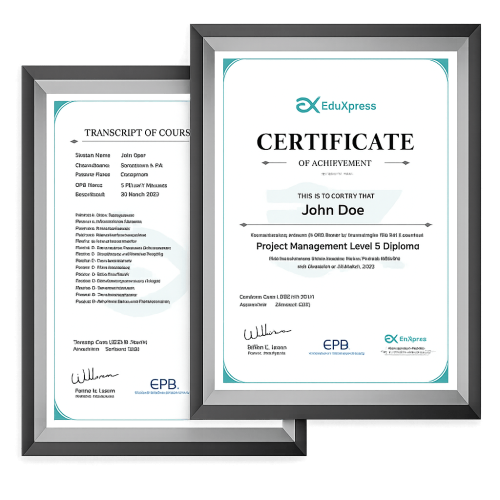
Upon successful completion of the final assessment, you will get a chance to order a CPD-accredited certificate confirming your achievement. This certificate is available in PDF as well as hard copy format, making it suitable for adding to your professional portfolio or CV.
Career Path
Frequently asked questions
Everything you need to know about the Essential Oils for Treating Skin Disorders
1. What are the benefits of using essential oils for skin disorders?
Essential oils offer natural anti-inflammatory, antibacterial, and healing properties that help treat various skin disorders like eczema, psoriasis, and acne. They promote skin regeneration and soothe irritation, making them an effective complementary therapy. Using essential oils can enhance skin health safely when applied correctly and diluted properly.
2. How do I safely apply essential oils to treat skin conditions?
To safely apply essential oils, always dilute them with a carrier oil such as coconut or jojoba oil before topical use. Perform a patch test to check for allergic reactions. Avoid direct contact with sensitive areas like eyes, and follow recommended dosages to prevent irritation. Proper application ensures effective and safe treatment of skin disorders.
3. Which essential oils are most effective for eczema and psoriasis?
Lavender, tea tree, chamomile, and frankincense essential oils are highly effective for eczema and psoriasis due to their anti-inflammatory and soothing properties. These oils help reduce redness, itching, and flaking. Incorporating these oils into your skincare routine can alleviate symptoms and promote skin healing naturally.
4. Can essential oils replace conventional treatments for skin disorders?
Essential oils should be used as complementary treatments rather than replacements for conventional medical therapies. They can enhance skin healing and symptom relief but are not substitutes for prescribed medications. Always consult a healthcare professional before integrating essential oils into your skin disorder treatment plan to ensure safety and effectiveness.
5. Are essential oils suitable for all skin types and ages?
Essential oils can benefit most skin types but require caution with sensitive skin, children, and pregnant women. Some oils may cause irritation or allergic reactions, so dilution and patch testing are essential. This course guides learners on selecting appropriate oils and safe usage tailored to different skin types and age groups.
6. How long does it take to see results using essential oils for skin disorders?
Results from essential oils vary but typically appear within 2 to 6 weeks of consistent, proper use. Factors like skin condition severity, oil type, and individual skin response influence healing time. Patience and adherence to recommended application methods maximize the effectiveness of essential oils in treating skin disorders.
7. Where can I find high-quality essential oils for skin treatment?
High-quality essential oils can be purchased from reputable suppliers specializing in pure, therapeutic-grade oils. Look for certification, transparency in sourcing, and customer reviews. Using pure essential oils ensures safety and efficacy when treating skin disorders, preventing exposure to synthetic additives or contaminants.
8. Can essential oils cause side effects or allergic reactions?
Yes, essential oils can cause side effects such as skin irritation, redness, or allergic reactions if used improperly or undiluted. Conducting a patch test prior to regular use helps identify sensitivities. Understanding contraindications and following safety guidelines minimizes risks during treatment of skin disorders with essential oils.
Curriculum
- 3 Sections
- 0 Lessons
- Lifetime
- Essential Oils for Treating Skin Disorders0 Items
- Order Your Certificate!0 Items
- Leave a Review!0 Items