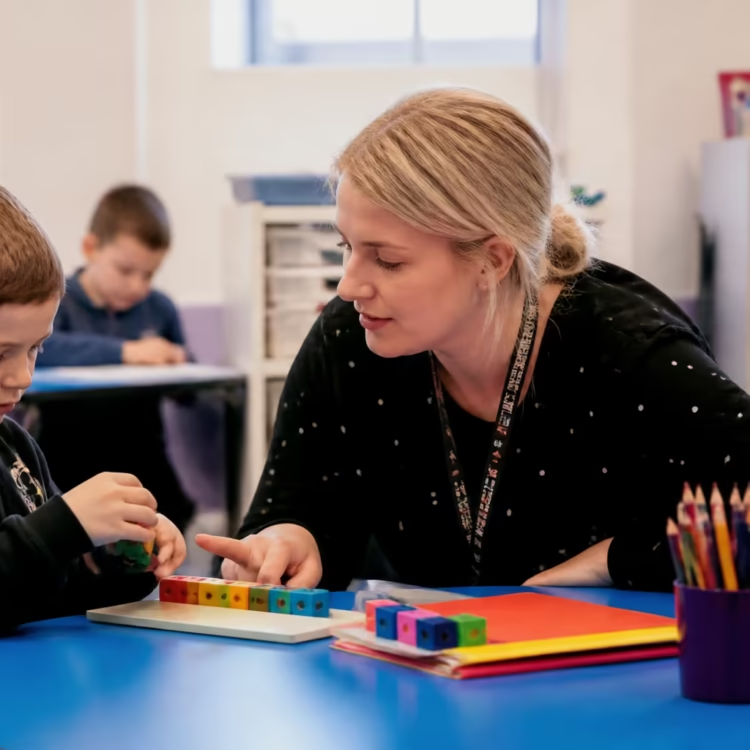


Effective early years teaching can help create positive foundations for children’s learning, development and wellbeing. The Early Years Foundation Stage (EYFS) Teaching course develops essential knowledge of early years education, child development, learning through play and approaches to supporting children’s progress. With CPD certification, this course provides a structured learning pathway for anyone looking to strengthen their understanding of EYFS Teaching.
Explore the principles of Early Years Foundation Stage (EYFS) Teaching, from understanding the importance of the early years to developing children’s literacy, numeracy, physical skills, communication and language. You will examine play and learning, understanding the world, personal, social and emotional development, expressive arts and design, alongside registration, inspection and quality improvement.
Effective Early Years Foundation Stage (EYFS) Teaching involves creating supportive learning environments, recognising individual needs and providing developmentally appropriate learning opportunities. Whether you work in childcare, early years education or are preparing for a role involving young children, this course can help you develop a stronger foundation in EYFS knowledge and teaching practice. Enrol today and develop your Early Years Foundation Stage (EYFS) Teaching knowledge at your own pace.
Learning Outcomes
- Develop a clear understanding of Early Years Foundation Stage (EYFS) Teaching and its importance in early childhood education.
- Understand the purpose and principles of the Early Years Foundation Stage.
- Explore the importance of the early years in children’s learning and development.
- Develop awareness of age-appropriate EYFS teaching techniques and learning approaches.
- Understand how early years practitioners can support literacy development.
- Explore approaches to supporting mathematics and numeracy development in young children.
- Understand the importance of physical development during the early years.
- Explore the role of play in children’s learning, development and engagement.
- Understand how learning experiences can support children’s understanding of the world.
- Explore personal, social and emotional development within the EYFS.
- Understand approaches to supporting communication and language development.
- Explore expressive arts and design as areas of early childhood learning.
- Recognise the importance of creating supportive and inclusive early years learning environments.
- Understand how children’s individual development and needs can influence teaching approaches.
- Explore ways of encouraging curiosity, participation and learning through play.
- Develop awareness of how early years practitioners can support children’s confidence and independence.
- Understand the importance of observation and recognising children’s progress.
- Develop awareness of registration and inspection within early years provision.
- Understand the principles of quality improvement in early years settings.
- Build knowledge that can support continuing professional development in childcare and early years education environments.
Who Is This Course For?
- Early years practitioners and nursery staff who want to strengthen their understanding of EYFS Teaching.
- Teaching assistants and childcare professionals seeking structured early years learning.
- Childminders and carers who want to develop their knowledge of children’s learning and development.
- Aspiring early years and childcare professionals preparing for roles involving young children.
- Education and childcare professionals undertaking CPD who want to expand their knowledge of EYFS principles and teaching approaches.
- Parents, carers and learners interested in early childhood education, play and development who want flexible online training.
Why Choose Our Early Years Foundation Stage (EYFS) Teaching Course?
- Instantly accessible CPD-accredited digital certificate on successful completion of this course.
- 24/7 access to the course material for lifetime.
- Study at your own pace.
- No hidden fees or exam charges.
- Efficient assessment and instant results.
- Full tutor support on weekdays Monday to Friday.
Career Path
Completing Early Years Foundation Stage (EYFS) Teaching training can help you develop knowledge relevant to a range of childcare, nursery, education and early years support roles. Salary levels vary according to location, employer, experience, responsibilities and additional qualifications.
- Nursery Practitioner: £22,000–£30,000 per year
- Early Years Assistant: £22,000–£30,000 per year
- Teaching Assistant: £22,000–£30,000 per year
- Early Years Educator: £24,000–£34,000 per year
- Senior Nursery Practitioner: £25,000–£35,000 per year
- Early Years Practitioner: £25,000–£36,000 per year
Module Descriptions: Early Years Foundation Stage (EYFS) Teaching
Module 01: Introduction to the Early Years Foundation Stage (EYFS)
Begin by exploring the foundations of the Early Years Foundation Stage (EYFS) Teaching framework and its role in supporting children’s learning, development and wellbeing. This module introduces the purpose of the EYFS and the importance of providing appropriate learning experiences during the early years.
You will also explore the role of early years practitioners, the learning environment and the importance of recognising children’s individual needs. The module provides a foundation for understanding the teaching and learning approaches explored throughout the course.
Module 02: Importance of Early Years in Development
Develop an understanding of why the early years are an important period in children’s development. This module explores how early experiences can contribute to children’s physical, cognitive, social, emotional and communication development.
You will also consider the importance of supportive relationships, positive learning environments and appropriate developmental opportunities. The module highlights the role of early years practitioners in encouraging children’s curiosity, confidence and participation.
Module 03: EYFS Teaching Techniques
Explore teaching techniques that can be used to support learning and development within early years settings. This module considers age-appropriate approaches, structured activities, child-led learning and the importance of adapting learning experiences to individual needs.
You will also examine how practitioners can encourage participation, curiosity and engagement through effective interactions and learning opportunities. The module introduces approaches that can support positive experiences for young children.
Module 04: Literacy Development
Explore the development of early literacy skills and the ways practitioners can encourage children’s interest in language, books, sounds, stories and early writing. This module considers how literacy experiences can be incorporated into everyday early years learning.
You will also examine the importance of communication-rich environments and opportunities for children to develop confidence with language and early literacy. The module highlights the role of age-appropriate activities and positive encouragement.
Module 05: Mathematics & Numeracy Development
Develop an understanding of early mathematics and numeracy development. This module explores how young children can begin to develop awareness of numbers, quantities, patterns, shapes, measurements and relationships through appropriate learning experiences.
You will also consider how everyday activities and play can provide opportunities for mathematical learning. The module highlights the importance of making numeracy accessible, engaging and relevant to young children.
Module 06: Physical Development in the EYFS
Explore physical development during the early years and the importance of opportunities for movement and physical activity. This module considers the development of gross and fine motor skills and how suitable activities can support children’s physical abilities.
You will also examine the role of safe environments, active play and appropriate learning experiences in supporting physical development. The module highlights the importance of recognising individual developmental differences.
Module 07: Play and Learning in the EYFS
Develop an understanding of the relationship between play and learning in early childhood. This module explores how play can provide opportunities for children to explore, experiment, communicate, solve problems and develop social skills.
You will also consider different approaches to play-based learning and the role of practitioners in creating suitable opportunities for exploration. The module highlights the importance of balancing child-led experiences with purposeful learning support.
Module 08: Understanding the World
Explore how early years learning can help children develop awareness of people, communities, environments, nature and the world around them. This module considers how children can be encouraged to observe, explore, question and make connections.
You will also examine how everyday experiences and practical activities can support children’s curiosity and understanding. The module highlights the importance of providing varied learning opportunities that reflect children’s interests and experiences.
Module 09: Personal, Social and Emotional Development in the EYFS
Develop an understanding of personal, social and emotional development during the early years. This module explores how children can develop confidence, independence, relationships, emotional awareness and appropriate social behaviours.
You will also consider the importance of supportive relationships and positive interactions in helping children feel secure and develop their emotional and social skills. The module highlights the importance of recognising each child’s individual circumstances and needs.
Module 10: Communication and Language Development
Explore communication and language development and the importance of creating environments where children can listen, speak, interact and express themselves. This module considers how conversations, stories, songs and everyday interactions can support language development.
You will also examine ways practitioners can encourage children’s communication and respond appropriately to individual abilities and developmental needs. The module highlights the value of positive interaction and language-rich learning experiences.
Module 11: Expressive Arts and Design
Explore expressive arts and design as important areas of early years learning. This module considers how activities involving art, music, movement, imaginative play and creative expression can encourage children’s exploration and communication.
You will also examine how creative experiences can support confidence, imagination, problem-solving and individual expression. The module highlights the importance of providing accessible opportunities for children to explore different materials, ideas and creative approaches.
Module 12: Registration, Inspection, and Quality Improvement
Complete the programme by exploring registration, inspection and quality improvement within early years provision. This module introduces the importance of appropriate standards, policies, procedures and ongoing evaluation in supporting quality early years environments.
You will also consider how reflection, monitoring and continuous improvement can contribute to effective early years practice. The module provides awareness of the broader responsibilities involved in maintaining and improving the quality of childcare and early education settings.
Certification: Early Years Foundation Stage (EYFS) Teaching
The course provides structured learning across essential areas of Early Years Foundation Stage (EYFS) Teaching, including early childhood development, teaching techniques, literacy, numeracy, physical development, play, communication, personal and social development, expressive arts and quality improvement. Assessment is designed to help you review your understanding of the subjects covered throughout the programme.
The course is CPD certified, making the certificate a useful addition to your CV, professional portfolio or continuing professional development records. The programme brings together important early years topics and provides structured learning for childcare practitioners, teaching assistants, childminders, aspiring early years professionals and other learners.
With 12 focused modules, the course provides a structured learning experience for anyone seeking to strengthen their understanding of early years education and teaching. It can be particularly relevant to learners working or preparing to work in nurseries, childcare, education and other early years environments.
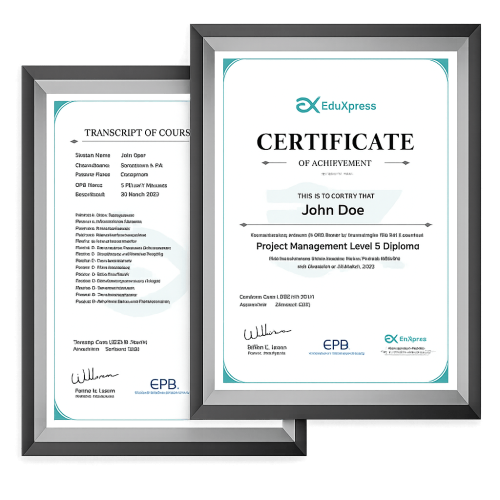
The certificate demonstrates successful completion of this online learning programme. However, specific childcare and early years roles may require additional qualifications, workplace training, practical experience, competency assessments or registration depending on the position and employer requirements. The regular price of the Digital Certificate is £12.99, while the Printed Certificate is £24.99
Please note: This online course provides educational knowledge relating to Early Years Foundation Stage (EYFS) Teaching. It does not replace workplace induction, employer-specific procedures, practical childcare experience, supervised practice, competency assessments or professional registration requirements where these apply.
Frequestly Asked Questions
What is Early Years Foundation Stage (EYFS) Teaching?
Early Years Foundation Stage (EYFS) Teaching focuses on supporting the learning, development and wellbeing of young children through appropriate teaching approaches, play, communication and development-focused activities.
What will I learn on the Early Years Foundation Stage (EYFS) Teaching course?
You will explore the EYFS, early childhood development, teaching techniques, literacy, mathematics and numeracy, physical development, play, understanding the world, personal and social development, communication, expressive arts, registration, inspection and quality improvement.
Is Early Years Foundation Stage (EYFS) Teaching training CPD certified?
Yes. The course is CPD certified and provides a certificate to support your continuing professional development records upon successful completion.
How many modules are included in the course?
The course includes 12 modules covering key areas of Early Years Foundation Stage (EYFS) Teaching and early childhood education.
Does the course cover child development?
Yes. The course explores the importance of the early years in children’s development and considers physical, social, emotional, communication and learning development.
Does the course cover EYFS teaching techniques?
Yes. A dedicated module explores teaching techniques and learning approaches that can be used to support young children’s development and engagement.
Does the course cover literacy development?
Yes. The course explores early literacy, language, books, stories, sounds, early writing and communication-rich learning environments.
Does the course cover mathematics and numeracy?
Yes. The programme covers early mathematics and numeracy, including numbers, quantities, patterns, shapes, measurement and mathematical learning through everyday activities and play.
Does the course cover physical development?
Yes. You will explore physical development, gross and fine motor skills, movement, active play and suitable opportunities for supporting children’s physical abilities.
Does the course cover play-based learning?
Yes. A dedicated module explores the relationship between play and learning and considers how play can support exploration, problem-solving, communication and social development.
Does the course cover understanding the world?
Yes. The course explores how children can develop awareness of people, communities, environments, nature and the world around them through appropriate learning experiences.
Does the course cover personal, social and emotional development?
Yes. The programme explores confidence, independence, relationships, emotional awareness and social development within the early years.
Does the course cover communication and language?
Yes. The course covers communication and language development and explores how conversations, stories, songs and everyday interactions can support children’s language skills.
Does the course cover expressive arts and design?
Yes. The programme explores art, music, movement, imaginative play and creative activities as opportunities for children’s learning and expression.
Does the course cover registration and inspection?
Yes. The final module introduces registration, inspection and quality improvement within early years provision.
Is this course suitable for nursery practitioners?
Yes. Nursery practitioners can use the course to strengthen their knowledge of early years teaching, child development, play and learning.
Can teaching assistants study this course?
Yes. Teaching assistants and education support staff can use the course to develop their understanding of early years learning and development.
Is this course suitable for childminders?
Yes. Childminders and carers who work with young children may find the course useful for developing their knowledge of early years learning and development.
Is Early Years Foundation Stage (EYFS) Teaching an online course?
Yes. The programme is designed for online study, allowing learners to work through the learning materials flexibly and at their own pace.
Does completing this course make me a qualified early years teacher?
No. Completing an online CPD course does not automatically provide a regulated early years qualification, teaching status or professional registration. Specific roles may require additional qualifications, practical experience and employer requirements.
Can this course support professional development?
Yes. The course covers a broad range of early years teaching and development topics and provides a CPD-certified certificate upon successful completion.
Can completing this course guarantee employment?
No. The course can help develop relevant knowledge, but employment depends on factors such as qualifications, practical experience, competencies, employer requirements and the availability of suitable roles.
Why Study Early Years Foundation Stage (EYFS) Teaching?
The early years provide important opportunities for children to develop communication, physical, social, emotional and cognitive skills. Understanding how young children learn and develop can help practitioners create supportive environments and meaningful learning experiences. This Early Years Foundation Stage (EYFS) Teaching course brings these essential areas together in one structured programme.
From child development, teaching techniques and play-based learning to literacy, numeracy, physical development, communication, personal and social development, expressive arts and understanding the world, the programme explores knowledge relevant to early years education. It also introduces registration, inspection and quality improvement within early years settings.
Whether you already work with young children, are preparing for a childcare or early years role or want to strengthen your CPD knowledge, this flexible programme provides a structured way to develop your understanding of EYFS Teaching. Enrol today and build your knowledge of Early Years Foundation Stage (EYFS) Teaching, child development and early years learning.
Curriculum
- 1 Section
- 15 Lessons
- Lifetime
- Early Years Foundation Stage (EYFS) Teaching15 Items
- 1.1Introduction to the Early Years Foundation Stage (EYFS)
- 1.2Importance of Early Years in Development
- 1.3EYFS Teaching Techniques
- 1.4Literacy Development
- 1.5Mathematics & Numeracy Development
- 1.6Physical Development in the EYFS
- 1.7Play and Learning in the EYFS
- 1.8Understanding the World
- 1.9Personal, Social and Emotional Development in the EYFS
- 1.10Communication and Language Development
- 1.11Expressive Arts and Design
- 1.12Registration, Inspection, and Quality Improvement
- 1.13Assessment and Evaluation in the EYFS
- 1.14Order Your Certificate
- 1.15Loved Your Course? Share Your Experience