◷ 4h 19mCPD Learning
Understand dementia-related care needs and supporting wellbeing through person-centred approaches.
Key topics covered:
Dementia SupportDaily Care




Your care career can begin by making everyday moments better.
From helping someone follow a familiar routine at home to supporting meaningful activities in a care setting, compassionate carers make a difference every day. brings dementia awareness, person-centred support, safeguarding and career preparation into one structured online learning pathway.
Programme overview
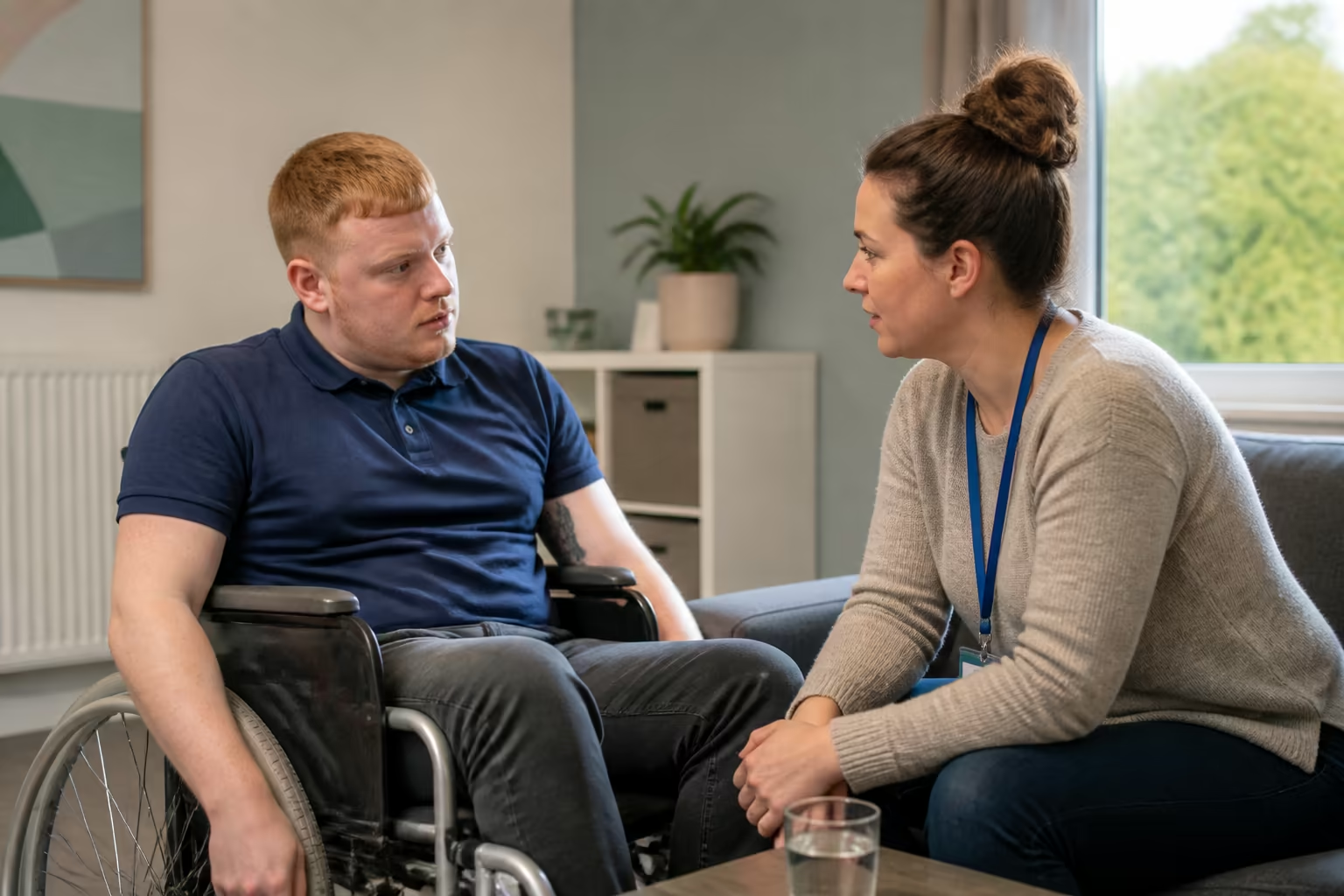
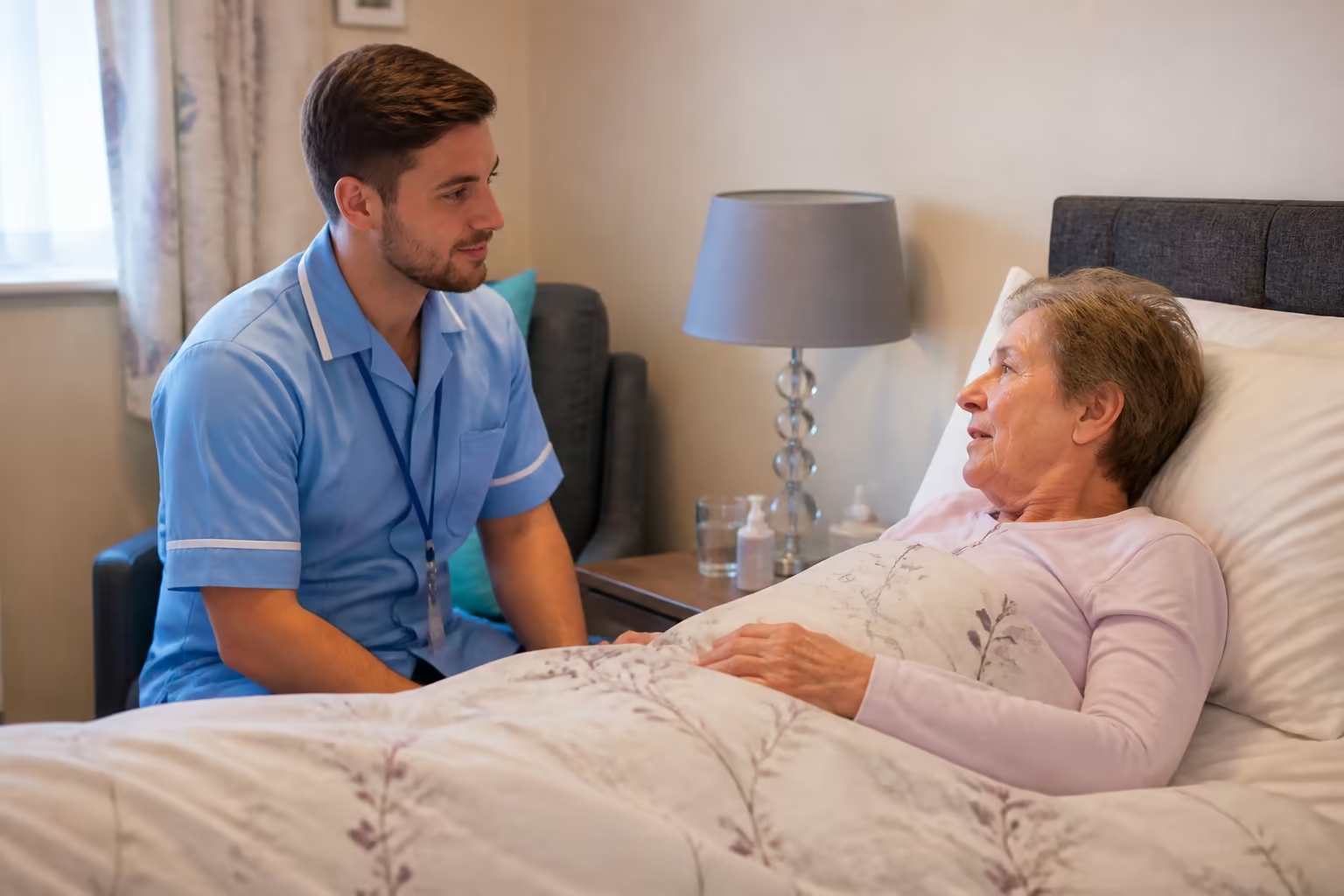
Imagine supporting an older person at home who becomes unsure about the time of day. A calm explanation, a familiar activity and an unhurried approach can help them feel more comfortable. Good dementia support combines empathy with observation, effective communication, safe practices and respect for individual choices.
Dementia & Community Care Support Job Ready Programme
It also connects everyday care responsibilities with employability preparation. Learners explore how to document observations, recognise distress, respect confidentiality, communicate with family members and colleagues, and prepare for support worker applications and interviews.
What you’ll learn
Your journey
Understand community care, dementia support, home care and residential care roles. Identify your transferable skills.
Explore memory changes, communication, person-centred care and individual support needs.
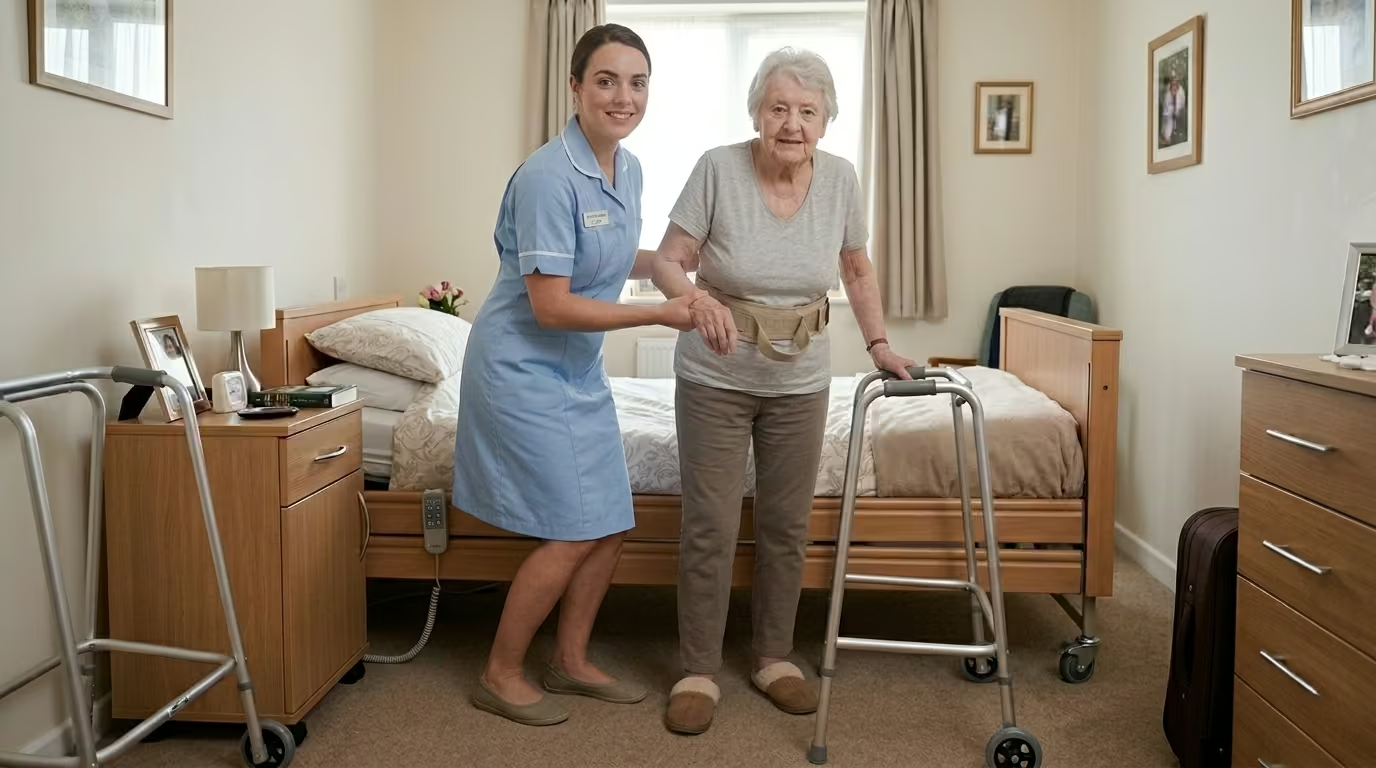
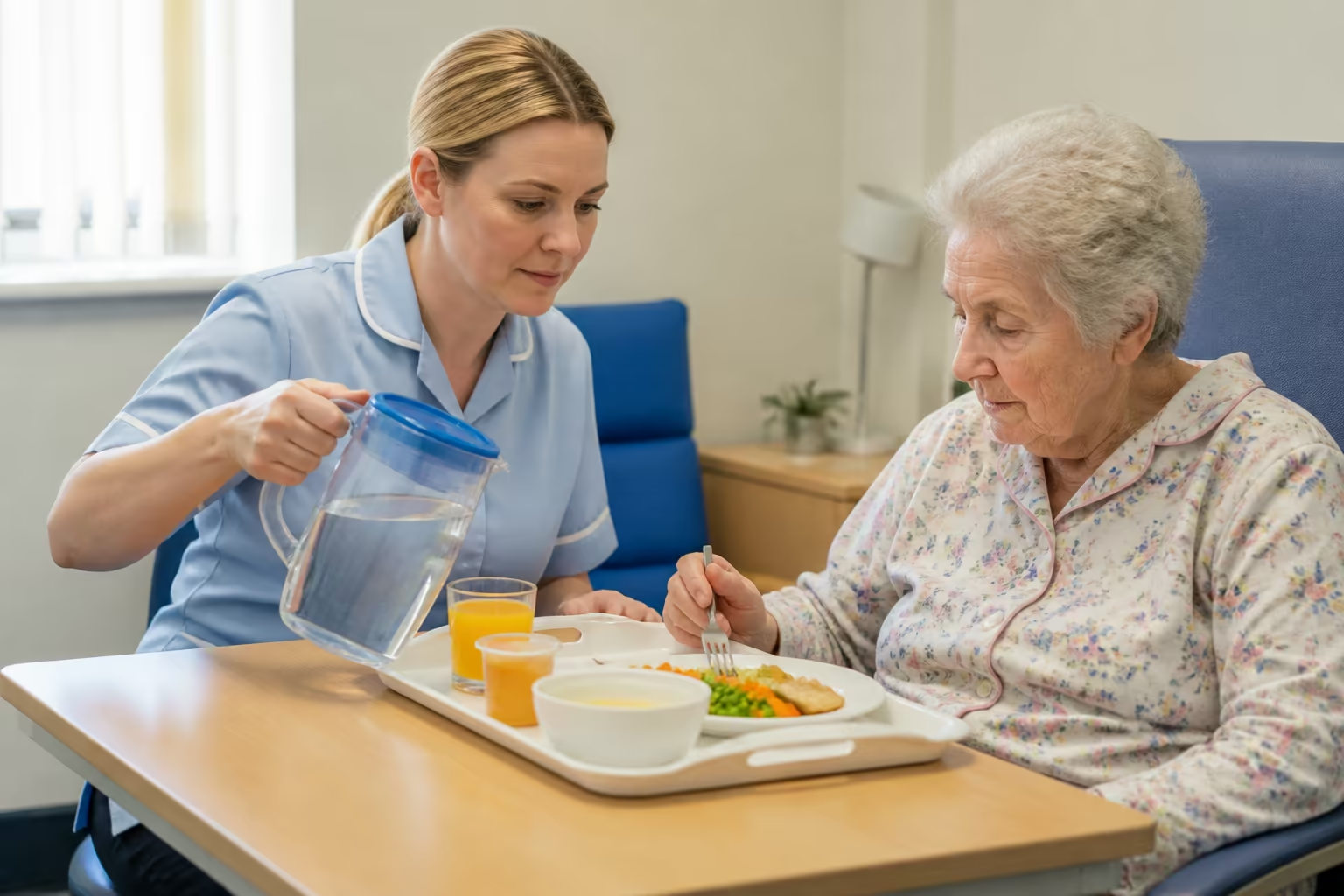
Learn about daily routines, nutrition, mobility, care notes, safeguarding and safe escalation.
Complete assessments associated with the courses you study and document eligible CPD achievements.
Practise person-centred scenario responses, tailor your CV and prepare for care interviews.
Understand employer expectations and apply for suitable care assistant or support worker roles.
Specialist skills
Understand cognitive changes, reassurance, familiar routines and supporting individual abilities.
Explore dignity, privacy, choices, independence and assistance with everyday activities.
Recognise concerns, report appropriately and follow safe, authorised care practices.
Understand individual care plans, observations, daily care notes and confidentiality.
Explore active listening, simple explanations, non-verbal communication and distress awareness.
Practise care interview scenarios, CV writing and explaining transferable experience.
Your Healthcare Career Learning Pathway
From dementia awareness and home-based support to safeguarding, care planning, mobility, nutrition and interview preparation, explore a connected collection of courses relevant to community and residential care roles.
24 courses across dementia care, community support and employability
Understand dementia-related care needs and supporting wellbeing through person-centred approaches.
Key topics covered:
Explore foundational dementia knowledge, communication and respectful daily living support.
Key topics covered:
Recognise common dementia-related changes and approaches to safe, sensitive support.
Key topics covered:
Explore overlapping support needs and how to approach care with dignity and understanding.
Key topics covered:
Understand ageing-related needs, independence and day-to-day support for older people.
Key topics covered:
Explore home visits, daily routines, professional boundaries and safe community support.
Key topics covered:
Develop knowledge of person-led care, daily support and professional care responsibilities.
Key topics covered:
Explore essential principles, values and responsibilities involved in adult social care.
Key topics covered:
Review care standards topics, communication, dignity, safety and professional responsibilities.
Key topics covered:
Understand individual preferences, choice, dignity and tailored support planning.
Key topics covered:
Explore care planning, documenting needs, updating records and reviewing support.
Key topics covered:
Understand accurate daily notes, incident documentation and confidential records.
Key topics covered:
Explore listening, non-verbal cues, reassurance and compassionate conversations.
Key topics covered:
Recognise unmet needs, possible triggers and safer, supportive responses to distress.
Key topics covered:
Understand adult safeguarding concerns, reporting duties and protecting people from harm.
Key topics covered:
Build awareness of safer movement, equipment and individual mobility needs.
Key topics covered:
Explore hygiene, infection prevention and safe care-environment routines.
Key topics covered:
Recognise hydration and nutrition needs and promote comfortable, safe mealtimes.
Key topics covered:
Explore medication awareness, records and following authorised care procedures.
Key topics covered:
Understand comfort, dignity and compassionate support for individuals and families.
Key topics covered:
Recognise common care hazards, personal safety and workplace risk controls.
Key topics covered:
Explore first aid awareness, recognising emergencies and seeking timely assistance.
Key topics covered:
Practise explaining relevant care knowledge and preparing competency-based responses.
Key topics covered:
Develop clearer care-focused CVs, supporting statements and application preparation.
Key topics covered:
Career opportunities
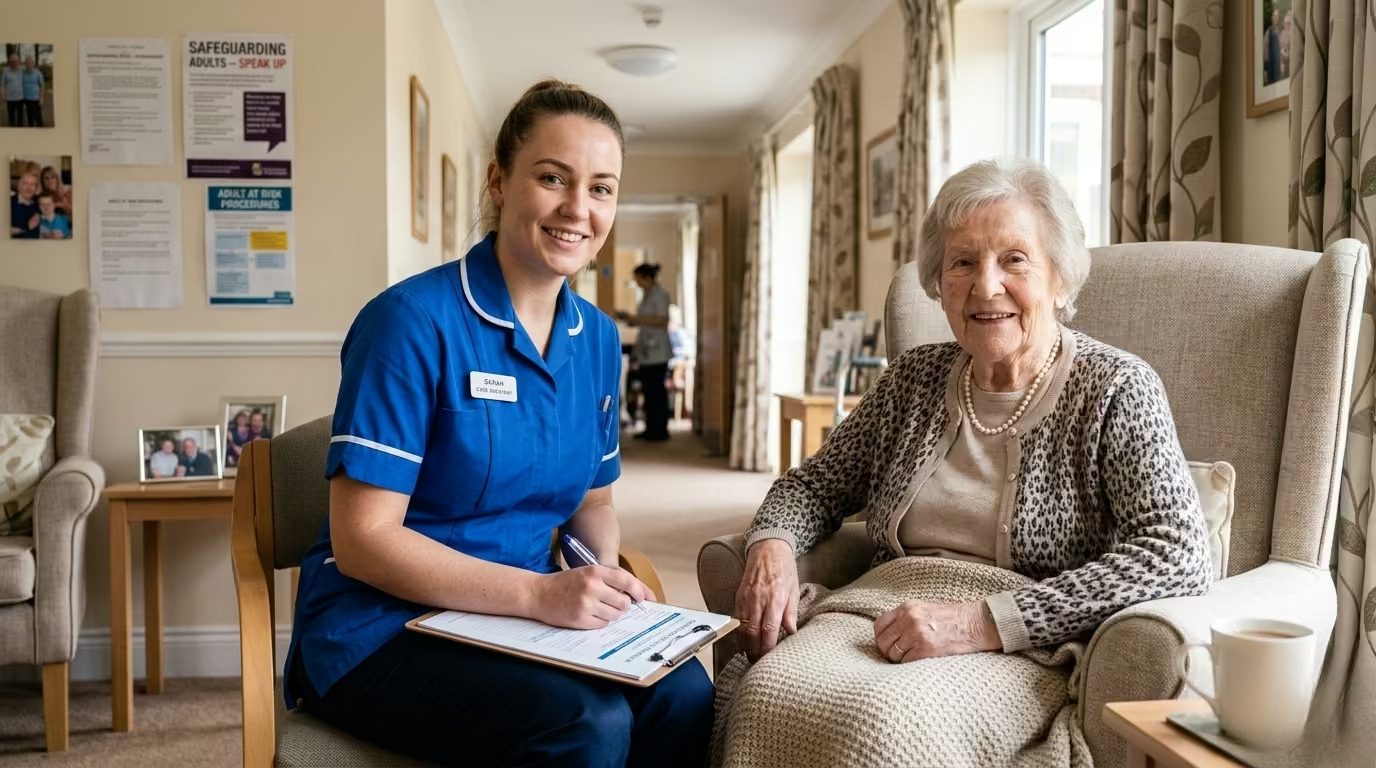
People living with dementia receive support in their own homes, residential care settings, day services and community organisations. Understanding compassionate communication, care routines, safeguarding and record keeping can be relevant to entry-level and developing support roles.
With appropriate workplace experience, further professional development and employer-required training, progression may include senior care assistant, activities coordinator or care team leader responsibilities.
Practical career preparation
A stronger care job application explains how you would approach real situations respectfully and safely. Use the following suggested practice activities to demonstrate your understanding of person-centred support, communication and professional responsibility.
Learning recognition
Document your progress using the CPD certificate options available on eligible EduXpress courses. Learning in dementia awareness, safeguarding, person-centred care, communication and community support can strengthen your development record and help you present relevant knowledge to care employers.
Record successfully assessed learning through certificate options available for eligible courses.
Showcase relevant dementia and community care learning in applications and professional profiles.
Revisit course topics to reinforce dementia communication, safe support and care knowledge.
Who is it for?
Explore dementia and community care principles before applying for an entry-level support role.
Connect transferable skills from customer service, hospitality and other people-focused work to adult social care.
Refresh care knowledge and build confidence when exploring a return to support roles.
Develop a deeper understanding of person-centred routines and respectful dementia support.
Broaden awareness of dementia, care planning, communication and specialist community support.
Become more familiar with UK adult social care terminology, practices and employer expectations.
Why EduXpress?
Learn about supporting people living with dementia and recognising changing care needs.
Connect dementia awareness with communication, safeguarding, nutrition, mobility and records.
Learn online at a pace that suits your existing responsibilities and commitments.
Explore respect, choice, meaningful activities and person-centred daily support.
Document learning achievements using eligible assessments and certificate options.
Prepare to discuss care values, scenario judgement and transferable skills with employers.
Frequently asked questions
No. The programme introduces foundational dementia and community support topics for beginners, family carers and career changers. Individual employers may have induction and role-specific training requirements.
Dementia support workers help people with everyday activities, promote independence, follow individual support plans and communicate with families and care colleagues. Duties vary by care environment and the person’s needs.
The learning pathway covers dementia awareness, daily support, communication, safeguarding and other topics relevant to community and residential care. Employers assess applicants against their own requirements.
Relevant roles include dementia support worker, domiciliary care worker, community care assistant, home care assistant, residential care assistant and day centre support assistant.
Yes. Patience, communication, organisation and experience supporting others can be useful transferable strengths. The programme helps connect those strengths to care-related situations.
Yes. The proposed course selection covers dignity, personal preferences, familiar routines, individual choices and responding sensitively to changing needs.
Yes. The course pathway includes adult safeguarding, recognising potential abuse or neglect, appropriate reporting and understanding professional responsibilities.
The learning includes communication, recognising possible unmet needs, understanding behaviour that challenges and supporting a calmer environment. Workplace responses should follow the person’s care plan and approved procedures.
Yes. Relevant courses introduce person-centred care plans, accurate daily notes, confidentiality and communicating important observations to authorised colleagues.
The selected EduXpress courses are offered for flexible online study, allowing learners to work through materials around other commitments.
Eligible courses offer CPD certificate options once their assessment requirements are satisfied. Confirm certification details on the individual course pages.
No programme can determine an employer’s recruitment decision. This learning pathway helps develop relevant knowledge and job application confidence; care employers may also require references, appropriate DBS checks, induction and practical workplace training.
or