Concussion and Brain Injury Awareness
By 2026, workplace health and safety reports indicate that brain injuries related to concussion affect thousands of UK workers annually. That gap has a direct impact on care quality – and for the people depending on well-trained professionals, it is not a gap they can afford. The Concussion and Brain Injury Awareness course from EduXpress is built for UK health and care professionals who are ready to move from awareness to genuine expertise – a fully CPD-accredited, online programme that delivers the structured knowledge sector standards demand and employers recognise.
This course covers core aspects of concussion and brain injury, including sports-related incidents, rehabilitation, and prevention. You will build practical knowledge, skills, and confidence to identify and respond appropriately within your professional environment.
Flexible online CPD learning allows you to study when it suits you. With tutor support available on weekdays, an efficient assessment process, and the option to obtain a CPD-accredited certificate, this course fits around your commitments and career development goals.
Learning Outcomes of Concussion and Brain Injury Awareness
Upon completion of this Concussion and Brain Injury Awareness from EduXpress, learners will be able to:
Why Choose Our Concussion and Brain Injury Awareness Course?
Who is This Concussion and Brain Injury Awareness For?
Certification: Concussion and Brain Injury Awareness
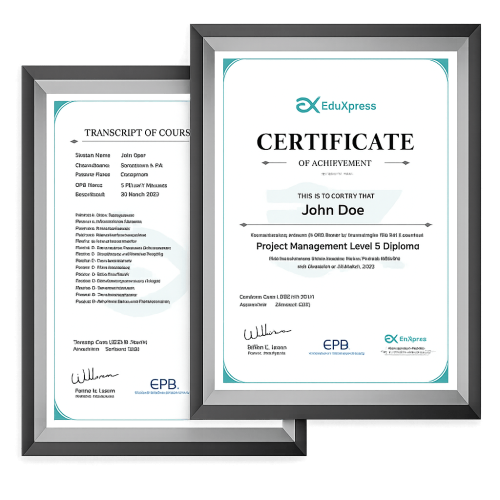
Upon successful completion of the final assessment, you will get a chance to order a CPD-accredited certificate confirming your achievement. This certificate is available in PDF as well as hard copy format, making it suitable for adding to your professional portfolio or CV.
Career Path
Frequently asked questions
Everything you need to know about the Concussion and Brain Injury Awareness
1. What is a concussion and how does it affect the brain?
A concussion is a mild traumatic brain injury caused by a blow or jolt to the head, resulting in a temporary disruption of normal brain function. It affects brain cells and can cause symptoms like headache, confusion, dizziness, and memory loss. Understanding concussion signs is essential for timely diagnosis and effective brain injury awareness.
2. What are the common symptoms of a concussion?
Common concussion symptoms include headache, dizziness, nausea, confusion, blurred vision, sensitivity to light, and difficulty concentrating. Symptoms may appear immediately or develop over hours to days. Recognizing these signs early is crucial for proper management and preventing further brain injury complications.
3. How should a concussion be treated initially?
Initial concussion treatment involves immediate physical and cognitive rest to allow the brain to heal. Avoiding activities that increase symptoms, staying hydrated, and monitoring for worsening signs are key. Seeking medical evaluation ensures appropriate care and reduces the risk of prolonged brain injury effects.
4. When should someone seek medical help for a concussion?
Seek medical help immediately if concussion symptoms worsen, such as severe headache, repeated vomiting, loss of consciousness, seizures, or difficulty waking. Early professional assessment is vital to rule out serious brain injury and to guide safe recovery and return-to-activity plans.
5. Can repeated concussions cause long-term brain damage?
Yes, repeated concussions can lead to chronic traumatic encephalopathy (CTE) and other long-term brain damage. Multiple brain injuries increase the risk of cognitive decline, memory problems, and emotional changes. Proper concussion awareness and prevention strategies are essential to protect brain health over time.
6. How can concussion and brain injury awareness help in sports?
Concussion and brain injury awareness in sports promotes early recognition, proper management, and prevention of head injuries. Educating athletes, coaches, and parents about concussion symptoms and safe play reduces the risk of serious brain injuries and supports quicker, safer return to sports activities.
7. What are the best practices for preventing concussions?
Best concussion prevention practices include wearing appropriate protective gear, following safety rules, using proper techniques, and educating about brain injury risks. Creating a culture of safety in schools, workplaces, and sports environments significantly lowers the incidence of head injuries and promotes brain health.
8. How long does concussion recovery typically take?
Concussion recovery usually takes a few weeks, but some individuals may experience symptoms for months. Recovery time depends on injury severity, age, and prior concussions. Adhering to medical advice, gradual return to activities, and monitoring symptoms are crucial for effective brain injury rehabilitation.
9. Are children more vulnerable to concussions than adults?
Yes, children are more vulnerable to concussions because their brains are still developing, making them more susceptible to injury and prolonged recovery. Increased brain injury awareness among parents, teachers, and coaches helps ensure timely management and protects children’s long-term cognitive health.
10. What role does education play in concussion management?
Education plays a critical role in concussion management by increasing awareness of symptoms, risks, and proper response protocols. Well-informed individuals are more likely to seek timely medical care and follow recovery guidelines, minimizing complications and supporting overall brain injury prevention efforts.
Curriculum
- 3 Sections
- 0 Lessons
- Lifetime
- Concussion and Brain Injury Awareness0 Items
- Order Your Certificate!0 Items
- Leave a Review!0 Items