Computer Hacking Forensic Investigator
By 2026, cybercrime incidents in the UK are expected to rise by over 20%, creating urgent demand for skilled forensic investigators. In a market where digital skills are the baseline expectation, that gap limits earning potential, career options, and the ability to add real value. The Computer Hacking Forensic Investigator course from EduXpress is a fully CPD-accredited, online programme that builds practical, immediately applicable digital skills – designed for UK learners ready to close the gap and perform at the level the market demands.
This course covers key areas such as digital evidence collection, forensic analysis, and incident handling. You will build practical knowledge and confidence in understanding hacking techniques and forensic investigation methods. The course focuses on applied skills relevant to workplace challenges in cybersecurity and digital forensics.
Flexible online CPD learning allows you to study at your own pace with full tutor support during weekdays. Upon completion, you can take an assessment and choose to receive a CPD-accredited certificate to support your professional development.
Learning Outcomes of Computer Hacking Forensic Investigator
Upon completion of this Computer Hacking Forensic Investigator from EduXpress, learners will be able to:
Why Choose Our Computer Hacking Forensic Investigator Course?
Who is This Computer Hacking Forensic Investigator For?
Certification: Computer Hacking Forensic Investigator
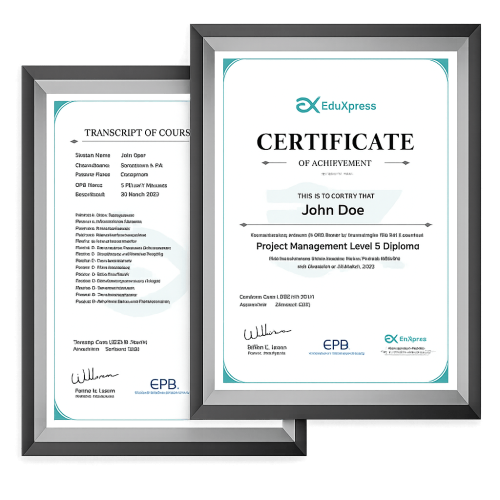
Upon successful completion of the final assessment, you will get a chance to order a CPD-accredited certificate confirming your achievement. This certificate is available in PDF as well as hard copy format, making it suitable for adding to your professional portfolio or CV. Please note this does not guarantee employment or entitlement to regulated roles.
Career Path
Frequently asked questions
Everything you need to know about the Computer Hacking Forensic Investigator
1. What is a Computer Hacking Forensic Investigator?
A Computer Hacking Forensic Investigator (CHFI) is a cybersecurity professional trained to detect, investigate, and prevent cybercrimes by collecting digital evidence. This role involves analyzing hacking incidents, tracing cyber attackers, and preserving data integrity to support legal proceedings. The CHFI course equips learners with essential forensic tools and techniques for effective cybercrime investigation.
2. Who should enroll in the Computer Hacking Forensic Investigator course?
The CHFI course is ideal for IT professionals, cybersecurity specialists, law enforcement officers, and anyone interested in digital forensics and cybercrime investigation. It benefits those aiming to enhance skills in detecting cyber threats, analyzing digital evidence, or pursuing careers in ethical hacking and computer forensic analysis.
3. What skills will I gain from the CHFI course?
Completing the CHFI course develops skills in forensic analysis, network security, data recovery, and malware investigation. Learners acquire practical knowledge in identifying cyber threats, preserving digital evidence, and using forensic software tools. These skills are crucial for conducting thorough investigations and supporting cybercrime litigation effectively.
4. How is the CHFI certification recognized in the cybersecurity industry?
The CHFI certification is globally recognized and valued by employers in cybersecurity, law enforcement, and IT sectors. It validates your expertise in digital forensic investigation and cybercrime prevention, enhancing professional credibility and career opportunities. Many organizations prioritize CHFI-certified professionals for roles in incident response and forensic analysis.
5. What are the career prospects after completing the CHFI course?
After completing the CHFI course, career opportunities include roles such as computer forensic analyst, cybersecurity investigator, incident responder, and digital forensic consultant. Certified professionals are in high demand across government agencies, private corporations, and law enforcement for their expertise in combating cybercrime and ensuring data security compliance.
6. How long does it take to complete the Computer Hacking Forensic Investigator course?
The duration of the CHFI course typically ranges from 5 to 10 days, depending on the training provider and learning format. Some programs offer accelerated or self-paced options to accommodate working professionals. Comprehensive training includes theoretical knowledge and hands-on labs to ensure practical forensic investigation skills.
7. Does the CHFI course cover legal aspects of digital forensics?
Yes, the CHFI course thoroughly covers legal and ethical considerations in digital forensics, including evidence handling, chain of custody, and compliance with cyber laws. Understanding these legal frameworks is essential for investigators to ensure admissibility of digital evidence in courts and to uphold professional forensic standards.
8. What tools and technologies are taught in the CHFI course?
The CHFI course introduces learners to industry-standard forensic tools such as EnCase, FTK, X-Ways, and other software for data recovery, network forensics, and malware analysis. Training includes practical use of these tools to identify vulnerabilities, analyze cyber attacks, and extract critical evidence from various digital devices.
9. Can I take the CHFI course online?
Yes, many accredited institutions offer the CHFI course online, providing flexible learning options with video lectures, virtual labs, and instructor support. Online CHFI training enables global access to quality forensic education, allowing learners to balance professional commitments while acquiring essential cyber forensic skills remotely.
10. How does the CHFI certification help in combating cybercrime in [Your Region]?
The CHFI certification equips cybersecurity professionals in [Your Region] with advanced forensic skills to effectively investigate and prevent local cyber threats. As cybercrime rises globally, certified investigators play a critical role in protecting businesses and government infrastructure by applying region-specific knowledge and global best practices in digital forensics.
Curriculum
- 3 Sections
- 0 Lessons
- Lifetime
- Computer Hacking Forensic Investigator0 Items
- Order Your Certificate!0 Items
- Leave a Review!0 Items