

Requirements
- There are no formal requirements for this course, it is open to anyone who is interested in learning the material.
A child’s behaviour tells part of a story, not the whole of it. Understanding development means looking beyond immediate reactions to the relationships, experiences and environments shaping a child’s world.
A child settles into a new classroom but becomes unusually quiet whenever a parent leaves. Another finds friendships difficult after a recent family separation. The Child Psychology Level 3 Diploma explores how children think, feel and develop, helping learners understand the relationship between life experiences, emotional wellbeing and behaviour without making assumptions about individual children.
Child development does not follow a single timetable. Family relationships, learning opportunities, health, culture and wider surroundings can shape how children respond to the world. You’ll explore cognitive growth, social and emotional development, personality and moral understanding, considering why children of similar ages may need different kinds of support and encouragement.
Some children experience disruption, loss or inconsistent care that affects their sense of security. The course introduces attachment, attachment difficulties and supportive parenting approaches, alongside recognising possible signs of neglect. You’ll examine how professionals respond sensitively to concerns, why safeguarding requires careful recording and reporting, and when specialist assessment is necessary.
Children’s mental health also reflects pressures within families, schools and digital environments. The final modules consider sources of support, early intervention and the potential effects of unmet care needs. Whether you’re interested in childcare, education or family support, this course offers a structured introduction to understanding development and recognising when children may need help.
What You’ll Learn to Put Into Action
- Understand the foundations of child psychology and developmental psychology.
- Explore how separation, bereavement and loss may affect children.
- Recognise biological, family, social and environmental influences on development.
- Understand cognitive development, learning and problem-solving in childhood.
- Explore emotional regulation, social relationships and interpersonal skills.
- Recognise how identity, personality and intellectual development evolve.
- Understand moral reasoning, empathy and children’s developing sense of fairness.
- Distinguish attachment difficulties from clinically diagnosed attachment disorders.
- Explore supportive parenting, consistency and sensitive caregiving.
- Understand the purpose of child mental health assessments and specialist interventions.
- Recognise potential indicators and different forms of child neglect.
- Explore risk factors, protective factors and the effects of unmet care needs.
- Understand appropriate safeguarding reporting and early support arrangements.
- Recognise contemporary influences on children’s emotional wellbeing and mental health.
Who Is This Course For?
- Individuals interested in child psychology and child development.
- Parents and carers seeking a broader understanding of children’s behaviour.
- Teaching assistants and classroom support staff.
- Nursery assistants and early years practitioners.
- Childcare workers and playworkers.
- Family support workers and community support staff.
- Residential childcare employees interested in child development.
- Safeguarding support staff seeking additional psychological awareness.
- Individuals exploring future study in psychology, education or social care.
- Volunteers supporting children’s activities and youth programmes.
- Professionals interested in continuing professional development in child wellbeing.
Career Path
An understanding of child development can support work in childcare, education, family services and community programmes. Relevant roles may involve encouraging learning, observing behaviour, supporting relationships and responding appropriately to welfare concerns. With suitable workplace experience and further professional qualifications, learners may progress into specialist support, early years education or children’s social care.
- Nursery Worker: £16,000–£24,000 per year.
- Teaching Assistant: £19,000–£26,000 per year.
- Playworker: £20,000–£24,000 per year.
- Residential Support Worker: £22,000–£30,000 per year.
- Family Support Worker: £24,000–£36,000 per year.
Why Choose Our Child Psychology Level 3 Diploma Course?
- Instantly accessible CPD-accredited certificate.
- Recognised nationwide by UK employers.
- 24/7 access to the course material for lifetime.
- Study at your own pace.
- No hidden fees or exam charges.
- Efficient assessment and instant results.
- Full Tutor support on weekdays (Monday – Friday).
What the Course Covers
Module 01: Introduction to Child Psychology
Child psychology examines how children develop thoughts, emotions, relationships and behaviour from infancy through adolescence. This module introduces important developmental concepts, research approaches and the relationship between psychological development and everyday experiences. You’ll explore individual differences, developmental stages and the influence of family and society. The lessons also consider observing children respectfully without confusing ordinary behaviour with a psychological condition.
Module 02: Impacts of Separation and Loss
Separation and loss may affect children’s emotional security, routines and relationships. This module examines bereavement, parental separation, changes in care arrangements and other significant transitions. You’ll explore how responses can vary with age, previous experiences and available support. The lessons also consider reassuring communication, maintaining stability and recognising when persistent distress may require additional professional attention.
Module 03: Factors that Influence Development
Children develop within a combination of biological, psychological, family and social circumstances. This module introduces hereditary influences, physical health, nutrition, education, relationships and wider environmental conditions. You’ll explore how opportunities and challenges can interact over time. The lessons also consider cultural differences, economic pressures and why development should be understood without making simplistic assumptions about individual families.
Module 04: Cognitive Development
Cognitive development involves changes in thinking, attention, memory, language and problem-solving. This module introduces influential theories of cognitive growth, including the work of Piaget and Vygotsky. You’ll explore learning through play, communication and social interaction. The lessons also consider individual learning differences, age-appropriate activities and how adults can support curiosity, reasoning and developing independence.
Module 05: Social and Emotional Development
Social and emotional development influences how children recognise feelings, build relationships and respond to everyday experiences. This module introduces emotional expression, self-awareness, empathy and the development of friendships. You’ll explore the importance of responsive caregiving, social learning and opportunities for interaction. The lessons also consider emotional regulation, confidence and differences in how children communicate their needs.
Module 06: Personality and Intellectual Development of Children
Children differ in temperament, interests, learning preferences and responses to unfamiliar situations. This module introduces personality development, intellectual growth and the interaction between individual characteristics and experiences. You’ll explore confidence, self-concept, problem-solving and educational support. The lessons also consider recognising strengths, avoiding fixed labels and providing opportunities that respect differences in children’s abilities and developmental progress.
Module 07: Understanding Moral Development
Moral development concerns how children form ideas about fairness, responsibility, rules and the effects of their actions. This module introduces moral reasoning and influential developmental theories, including those associated with Piaget and Kohlberg. You’ll explore empathy, modelling and discussions about consequences. The lessons also consider how culture, relationships and experience shape moral understanding without assuming every child develops identically.
Module 08: Attachment Disorder
Attachment difficulties can affect children’s relationships and sense of security, but they are not automatically attachment disorders. This module introduces attachment theory, reactive attachment disorder and disinhibited social engagement disorder. You’ll explore relevant early experiences and the importance of specialist assessment. The lessons also distinguish everyday attachment concerns from diagnosed conditions and consider appropriate professional support.
Module 09: Attachment-Focused Parenting
Supportive caregiving can help children experience consistency, safety and emotional connection. This module explores attachment-informed parenting, sensitive responses, predictable routines and the importance of listening to children. You’ll consider how parents and carers can respond to distress and support secure relationships. The lessons also examine seeking guidance when difficulties persist and respecting individual family circumstances.
Module 10: Interventions, Treatment and Support
Children experiencing developmental or emotional difficulties may benefit from tailored support and professional assessment. This module introduces early intervention, family support, psychological therapies and multidisciplinary working. You’ll explore the roles of schools, healthcare services and children’s social care. The lessons also consider referral pathways, evidence-informed approaches and why clinical treatment must be delivered by appropriately qualified professionals.
Module 11: Signs of Child Neglect
Child neglect involves persistent failures to meet a child’s basic physical or psychological needs that are likely to result in serious impairment of health or development. This module introduces possible indicators involving hygiene, nutrition, supervision, education and emotional care. You’ll explore recognising patterns rather than relying on isolated signs. The lessons emphasise safeguarding procedures, accurate recording and appropriate professional escalation.
Module 12: Risk Factors for Neglect
Neglect may occur in complex circumstances involving unmet support needs, family stress and wider social challenges. This module introduces potential risk and protective factors, including housing insecurity, isolation and barriers to accessing services. You’ll examine how multiple pressures can interact over time. The lessons also stress that poverty, disability or parental mental health difficulties alone do not establish neglect.
Module 13: The Impact of Child Neglect
Persistent unmet needs can affect children’s health, emotional wellbeing, learning and relationships. This module explores possible short-term and longer-term impacts of neglect on development, confidence and behaviour. You’ll consider how experiences differ between children and why outcomes are not inevitable. The lessons also examine protective relationships, timely intervention and the importance of coordinated support for children and families.
Module 14: Prevent Child Negligence
Preventing child neglect requires recognising emerging concerns and responding before unmet needs cause further harm. This module explores family support, early help, protective relationships and appropriate safeguarding referrals. You’ll consider how childcare and education professionals can identify concerns and work with other agencies. The lessons also emphasise non-judgemental communication, children’s rights and following established safeguarding procedures.
Module 15: Child Mental Health in Recent Times
Children’s mental health is influenced by relationships, education, social pressures and access to support. This final module explores anxiety, low mood, emotional distress and contemporary influences such as online experiences and changes in family routines. You’ll consider recognising persistent concerns, encouraging supportive conversations and reducing stigma. The lessons also introduce appropriate pathways to school, community and specialist mental health services.
Accreditation & Recognition
The Child Psychology Level 3 Diploma course introduces developmental psychology, cognitive growth, social and emotional development, attachment theory, supportive parenting, child neglect awareness and children’s mental health. It supports continuing professional development for individuals interested in childcare, education, family support and child wellbeing.
- Earn a CPD-style certificate of completion (where applicable).
- 100% online, self-paced study with lifetime access.
- Includes online multiple-choice assessment and knowledge checks.
- Optional digital certificate (printed version available for £24.99).
- Supports professional development in child development, psychological awareness and safeguarding knowledge.
Assessment & Certification: Child Psychology Level 3 Diploma
Your understanding is assessed through an online multiple-choice assessment covering child psychology, separation and loss, developmental influences, cognitive development, social and emotional growth, personality, moral development, attachment, parenting approaches, child neglect awareness and children’s mental health.
Questions use realistic childcare and educational situations. You may be asked to recognise a developmental influence, identify a supportive response to childhood separation, distinguish attachment difficulties from an attachment disorder, recognise a possible neglect indicator or identify when a safeguarding concern should be reported.
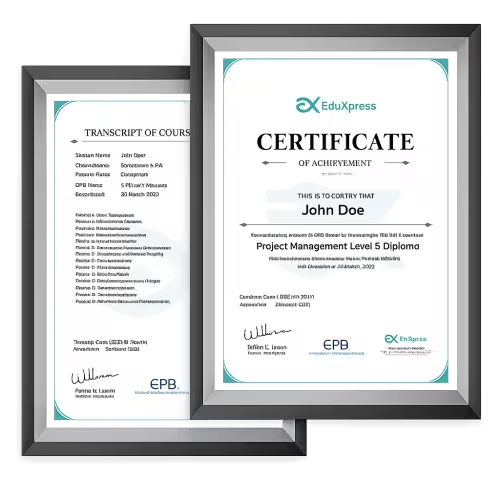
After successful completion, you can order a digital certificate documenting your learning in child psychology, emotional development, attachment and child wellbeing principles. An optional printed certificate is available for £24.99.
Frequently Asked Questions
What is child psychology?
What will I learn in the Child Psychology Level 3 Diploma?
Is this child psychology course suitable for beginners?
What are the main areas of child development?
What factors influence a child’s psychological development?
How does separation affect children emotionally?
How can adults support children after bereavement?
What is cognitive development in children?
What is Piaget’s theory of cognitive development?
What is Vygotsky’s theory of child development?
What is social and emotional development?
Why are friendships important for child development?
What is emotional regulation in children?
How does personality develop during childhood?
What is moral development in children?
What is attachment theory?
What is the difference between attachment difficulties and attachment disorders?
What is reactive attachment disorder?
What is disinhibited social engagement disorder?
What is attachment-focused parenting?
Can attachment difficulties be supported through therapy?
What are the main types of child neglect?
What are possible signs of child neglect?
What is emotional neglect?
What is educational neglect?
Is poverty the same as child neglect?
What factors can increase the risk of child neglect?
How can neglect affect a child’s development?
What should a childcare worker do if they suspect neglect?
What is early help in children’s services?
What is Working Together to Safeguard Children 2026?
How can parents support their child’s emotional wellbeing?
What are common mental health concerns in childhood?
How can social media influence children’s mental health?
When should a child be referred for mental health support?
What is CAMHS in the UK?
Can I become a child psychologist with a Level 3 diploma?
Can this course help me work as a teaching assistant?
How much does a family support worker earn in the UK?
Do childcare workers need a DBS check?
Can I study the Child Psychology Level 3 Diploma online while working?
Will I receive a certificate after completing the Child Psychology Level 3 Diploma?
Curriculum
- 1 Section
- 15 Lessons
- Lifetime
- Child Psychology Level 315 Items
- 1.1Introduction to Child Psychology
- 1.2Impacts of Separation and Loss on Attachment
- 1.3Factors that Influence Development
- 1.4Cognitive Development
- 1.5Social and Emotional Development
- 1.6Personality and Intellectual Development of Children
- 1.7Understanding Moral Development
- 1.8Attachment Disorder
- 1.9Attachment Focused Parenting
- 1.10Interventions, Treatment and Support
- 1.11Signs of Child Neglect
- 1.12Risk Factors for Neglect
- 1.13The impact of Child Neglect
- 1.14Prevent Child Negligence
- 1.15Child Mental Health in Recent Times