Bipolar Disorder
In 2026, over 1.5 million people in the UK are estimated to live with bipolar disorder, creating a growing need for informed mental health support. For the people seeking support, that gap matters enormously – because structured knowledge is what separates well-meaning help from genuinely effective care. The Bipolar Disorder course from EduXpress is a fully CPD-accredited, online programme designed for UK learners ready to build structured expertise, meet sector standards, and advance with the kind of grounded, practical knowledge that employers value.
This course covers the fundamentals of bipolar disorder, including symptoms, management strategies, treatment options, and social inclusion. Learners will build confidence and applied understanding to support mental health awareness and care in professional settings.
Flexible online CPD learning allows you to study at your own pace with full tutor support throughout the week. Assessment is efficient and upon successful completion, you can obtain a CPD-accredited certificate to demonstrate your achievement.
Learning Outcomes of Bipolar Disorder
Upon completion of this Bipolar Disorder from EduXpress, learners will be able to:
Why Choose Our Bipolar Disorder Course?
Who is This Bipolar Disorder For?
Certification: Bipolar Disorder
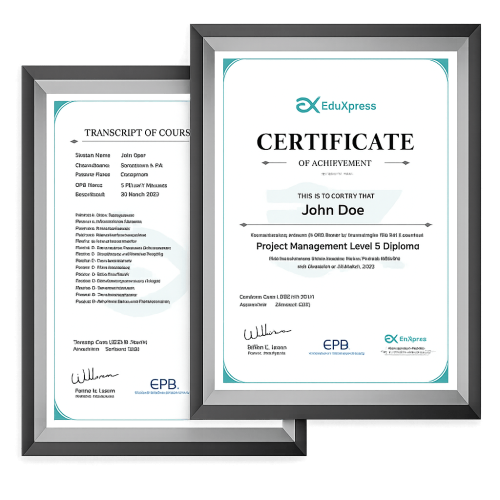
Upon successful completion of the final assessment, you will get a chance to order a CPD-accredited certificate confirming your achievement. This certificate is available in PDF as well as hard copy format, making it suitable for adding to your professional portfolio or CV.
Career Path
✓ Bipolar Disorder Training
Frequently asked questions
Everything you need to know about the Bipolar Disorder
1. What is bipolar disorder?
Bipolar disorder is a mental health condition characterized by extreme mood swings, including emotional highs (mania or hypomania) and lows (depression). Understanding bipolar disorder helps learners recognize symptoms, causes, and treatment options, promoting effective management and support for affected individuals.
2. What are the common symptoms of bipolar disorder?
Common symptoms of bipolar disorder include intense mood changes, increased energy, impulsive behavior during manic episodes, and feelings of sadness or hopelessness during depressive phases. Identifying these symptoms early is crucial for diagnosis and treatment to improve quality of life.
3. How is bipolar disorder diagnosed?
Bipolar disorder is diagnosed through a comprehensive clinical evaluation, including patient history, symptom assessment, and sometimes psychological tests. Mental health professionals use criteria from the DSM-5 to differentiate bipolar disorder from other mood disorders accurately.
4. What treatment options are available for bipolar disorder?
Treatment for bipolar disorder typically involves a combination of mood stabilizers, psychotherapy, and lifestyle changes. Medications like lithium and counseling approaches such as cognitive-behavioral therapy help manage symptoms and prevent relapse effectively.
5. Can bipolar disorder be managed long-term?
Yes, bipolar disorder can be managed long-term with consistent treatment, medication adherence, and lifestyle adjustments. Regular therapy sessions and support networks play vital roles in maintaining mood stability and enhancing overall well-being.
6. Is bipolar disorder hereditary?
Bipolar disorder has a genetic component, meaning it can run in families, but environmental factors also influence its development. Understanding the hereditary aspect helps learners appreciate risk factors and the importance of early intervention.
7. How does bipolar disorder affect daily life?
Bipolar disorder can impact daily life by causing mood instability, affecting relationships, work, and decision-making. Learning effective coping strategies and treatment adherence can significantly reduce these challenges and improve daily functioning.
8. Are there lifestyle changes that help manage bipolar disorder?
Yes, lifestyle changes such as maintaining a regular sleep schedule, managing stress, exercising, and avoiding alcohol or drugs support bipolar disorder management. These habits complement medical treatments and promote emotional balance.
9. When should I seek professional help for bipolar disorder?
Seek professional help if you experience persistent mood swings, suicidal thoughts, or significant changes in behavior. Early diagnosis and treatment by mental health experts are essential for managing bipolar disorder effectively.
10. Can people with bipolar disorder lead normal lives?
Absolutely, with proper treatment and support, individuals with bipolar disorder can lead productive, fulfilling lives. Education, therapy, and medication empower learners to manage symptoms and achieve personal and professional goals.