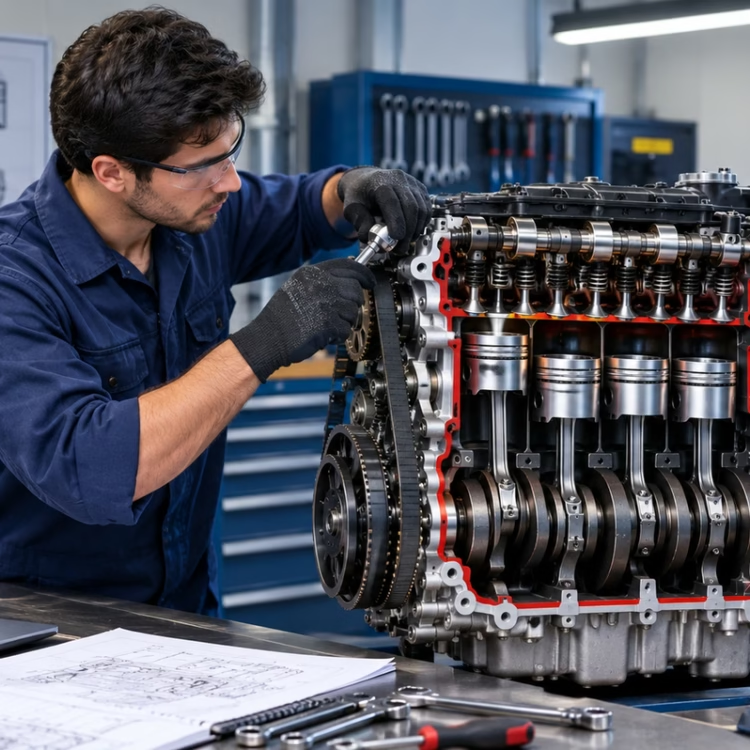
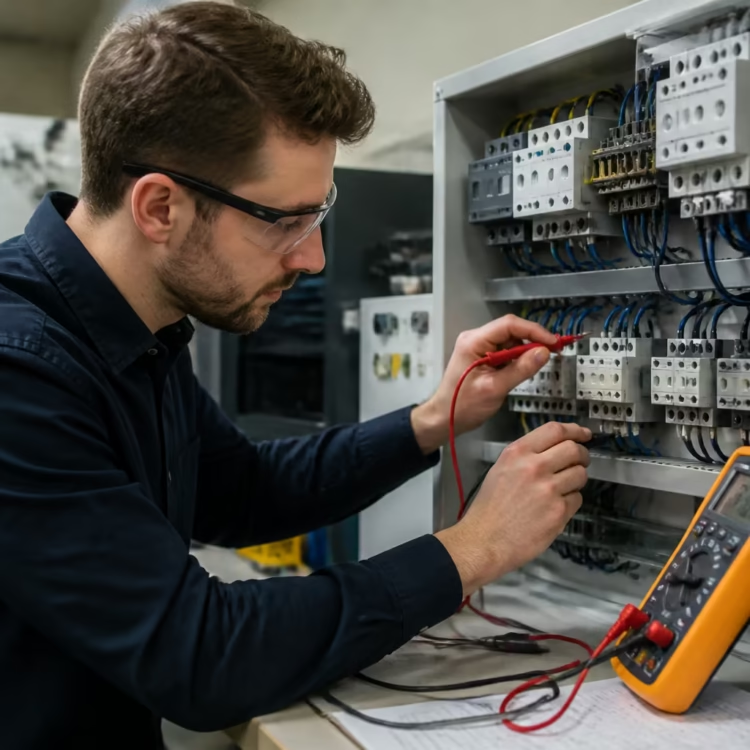
Automotive Engineering: Onboard Diagnostics
By 2026, over 70% of automotive repairs in the UK will rely on advanced onboard diagnostic systems, reflecting the growing demand for skilled professionals in this field. In a market where digital skills are the baseline expectation, that gap limits earning potential, career options, and the ability to add real value. The Automotive Engineering: Onboard Diagnostics course from EduXpress is a fully CPD-accredited, online programme that builds practical, immediately applicable digital skills – designed for UK learners ready to close the gap and perform at the level the market demands.
This course covers essential aspects of onboard diagnostics, including system components, fault codes, and diagnostic procedures. You will build practical skills and applied knowledge to confidently interpret diagnostic data and understand vehicle systems.
Flexible online learning allows you to study at your own pace with tutor support available Monday to Friday. Upon completing the assessment, you can obtain a CPD-accredited certificate to document your learning and progress your professional development.
Learning Outcomes of Automotive Engineering: Onboard Diagnostics
Upon completion of this Automotive Engineering: Onboard Diagnostics from EduXpress, learners will be able to:
Why Choose Our Automotive Engineering: Onboard Diagnostics Course?
Who is This Automotive Engineering: Onboard Diagnostics For?
Certification: Automotive Engineering: Onboard Diagnostics
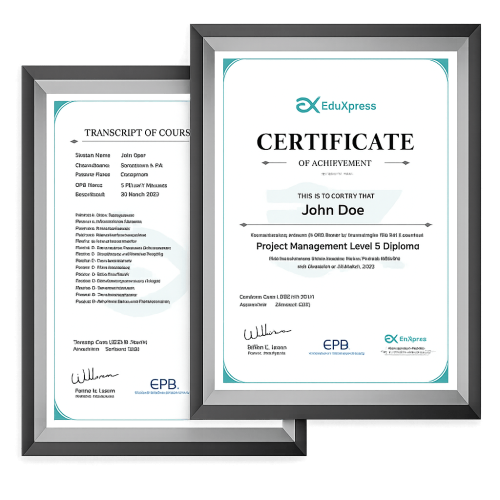
Upon successful completion of the final assessment, you will get a chance to order a CPD-accredited certificate confirming your achievement. This certificate is available in PDF as well as hard copy format, making it suitable for adding to your professional portfolio or CV. The certificate supports your CPD but does not guarantee employment or entitlement to regulated roles.
Career Path
Frequently asked questions
Everything you need to know about the Automotive Engineering: Onboard Diagnostics
1. What is Onboard Diagnostics in automotive engineering?
Onboard Diagnostics (OBD) is a vehicle’s self-diagnostic system that monitors engine performance and emissions. It helps detect malfunctions by providing standardized codes, enabling mechanics and drivers to identify issues quickly. OBD systems are essential for maintaining vehicle health and ensuring compliance with environmental regulations worldwide.
2. How does Onboard Diagnostics improve vehicle maintenance?
Onboard Diagnostics improves vehicle maintenance by continuously monitoring engine and system functions, alerting users to potential problems early. This proactive approach reduces repair costs, increases vehicle reliability, and extends engine life. Using OBD data helps technicians perform accurate diagnostics, streamlining maintenance processes and enhancing overall vehicle performance.
3. What types of problems can Onboard Diagnostics detect?
Onboard Diagnostics can detect various issues including engine misfires, oxygen sensor failures, emission control problems, and transmission faults. It monitors critical systems like fuel injection and exhaust emissions to ensure optimal performance. Detecting these problems early helps prevent breakdowns, reduces harmful emissions, and keeps vehicles running efficiently.
4. How do I read OBD codes in my car?
To read OBD codes, connect an OBD-II scanner to your vehicle’s diagnostic port, usually located under the dashboard. The scanner retrieves trouble codes that correspond to specific issues. Many scanners offer user-friendly interfaces and mobile app integration, making it easy for drivers and technicians to interpret codes and plan necessary repairs.
5. Why is OBD-II standard important in automotive diagnostics?
The OBD-II standard is crucial because it provides a uniform diagnostic system across all vehicles sold in many countries since the late 1990s. This standardization allows compatible scanners to read codes from different manufacturers, simplifying diagnostics, improving repair accuracy, and supporting environmental compliance in regions such as North America, Europe, and Asia.
6. Can I use Onboard Diagnostics tools for DIY car repairs?
Yes, Onboard Diagnostics tools are widely used by DIY enthusiasts to diagnose vehicle issues at home. Affordable OBD-II scanners and apps enable users to access fault codes, understand problems, and perform basic repairs. However, complex issues may still require professional expertise to ensure safety and compliance with local automotive standards.
7. How does Onboard Diagnostics help reduce vehicle emissions?
Onboard Diagnostics helps reduce vehicle emissions by continuously monitoring emission-related components and alerting users to malfunctions. Early detection of faults like faulty catalytic converters or oxygen sensors ensures timely repairs, maintaining optimal combustion efficiency and reducing pollutants. This contributes to cleaner air and adherence to environmental regulations globally.
8. What is the difference between OBD-I and OBD-II systems?
OBD-I systems were early diagnostic protocols with manufacturer-specific codes and limited data access. OBD-II, introduced in the mid-1990s, offers a universal standard with standardized codes and enhanced data capabilities. OBD-II improves diagnostics accuracy, supports emission control, and is mandatory for most vehicles in countries like the USA, Canada, and Europe.
9. Are Onboard Diagnostics systems mandatory for all vehicles?
Yes, Onboard Diagnostics systems, particularly OBD-II, are mandatory for most passenger vehicles manufactured after 1996 in the USA and similar timelines elsewhere. Regulations require these systems to monitor emissions and engine performance, ensuring vehicles meet safety and environmental standards. This mandates the use of OBD for vehicle inspections and repairs.
10. How can I learn more about automotive engineering and OBD systems?
To learn more about automotive engineering and Onboard Diagnostics, consider enrolling in specialized courses, reading industry-standard manuals, and accessing online resources. Practical experience with OBD tools and staying updated on automotive technologies enhances understanding. Professional certification programs also provide comprehensive knowledge for career advancement in automotive diagnostics.
Curriculum
- 3 Sections
- 0 Lessons
- Lifetime
- Automotive Engineering: Onboard Diagnostics0 Items
- Order Your Certificate!0 Items
- Leave a Review!0 Items