Aquaculture and Fisheries Management Basics
By 2026, the UK aquaculture and fisheries sectors face increasing demands to improve sustainability and resource management. In a market where digital skills are the baseline expectation, that gap limits earning potential, career options, and the ability to add real value. The Aquaculture and Fisheries Management Basics course from EduXpress is a fully CPD-accredited, online programme that builds practical, immediately applicable digital skills – designed for UK learners ready to close the gap and perform at the level the market demands.
This course covers key topics such as aquatic species biology, aquaculture systems, fisheries management, and environmental considerations. You will build practical skills and applied understanding to support effective decision-making and operational practices in aquaculture and fisheries environments.
Our flexible online CPD learning allows you to study at your own pace with full weekday tutor support. Upon completing the course and assessment, you can receive a CPD-accredited certificate to enhance your professional portfolio.
Learning Outcomes of Aquaculture and Fisheries Management Basics
Upon completion of this Aquaculture and Fisheries Management Basics from EduXpress, learners will be able to:
Why Choose Our Aquaculture and Fisheries Management Basics Course?
Who is This Aquaculture and Fisheries Management Basics For?
Certification: Aquaculture and Fisheries Management Basics
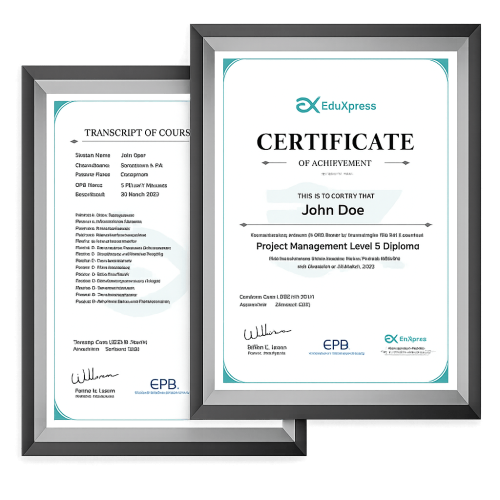
Upon successful completion of the final assessment, you will get a chance to order a CPD-accredited certificate confirming your achievement. This certificate is available in PDF as well as hard copy format, making it suitable for adding to your professional portfolio or CV. Please note, the certificate does not guarantee employment or entitlement to a regulated role.
Career Path
Frequently asked questions
Everything you need to know about the Aquaculture and Fisheries Management Basics
1. What is aquaculture and why is it important?
Aquaculture is the practice of breeding, rearing, and harvesting aquatic organisms such as fish, crustaceans, and plants in controlled environments. It is important because it supports sustainable seafood production, reduces pressure on wild fish stocks, and contributes to global food security and economic development in coastal and inland regions.
2. What are the main types of aquaculture systems?
The main types of aquaculture systems include pond culture, cage culture, recirculating aquaculture systems (RAS), and integrated multi-trophic aquaculture (IMTA). Each system offers unique benefits for fish farming efficiency, environmental sustainability, and species suitability, making them vital for effective fisheries management globally.
3. How does fisheries management help conserve marine resources?
Fisheries management helps conserve marine resources by regulating fishing activities, setting catch limits, enforcing sustainable practices, and protecting habitats. This ensures the long-term health of fish populations, supports biodiversity, and sustains the livelihoods of fishing communities, which is essential for ecological balance and economic stability.
4. What are common challenges in aquaculture and fisheries management?
Common challenges include disease outbreaks, water quality issues, overfishing, habitat degradation, and climate change impacts. Addressing these requires integrated management approaches, technological innovation, policy enforcement, and community involvement to promote sustainable aquaculture and responsible fisheries management.
5. How can beginners start a career in aquaculture and fisheries management?
Beginners can start by gaining foundational knowledge through courses like “Aquaculture and Fisheries Management Basics,” followed by practical experience via internships or volunteering. Pursuing relevant degrees and certifications, and staying updated on industry trends, enhances career prospects in this growing sector focused on sustainable aquatic resource management.
6. What role does technology play in modern aquaculture?
Technology plays a crucial role by improving monitoring, feeding efficiency, water quality control, and disease management in aquaculture operations. Innovations like automated systems, sensors, and data analytics optimize production, reduce environmental impact, and support sustainable fisheries management practices essential for meeting global seafood demand.
7. How does sustainable fisheries management benefit local communities?
Sustainable fisheries management benefits local communities by ensuring stable fish stocks, supporting livelihoods, and promoting food security. It encourages responsible fishing practices, preserves cultural heritage, and fosters economic growth through eco-friendly aquaculture and fisheries, vital for coastal and inland populations dependent on aquatic resources.
8. What environmental factors affect aquaculture success?
Environmental factors such as water temperature, salinity, dissolved oxygen, and pollution levels significantly affect aquaculture success. Proper site selection, regular monitoring, and adaptive management help mitigate risks, ensuring healthy growth of aquatic species and minimizing ecological impacts in sustainable aquaculture and fisheries management.
Curriculum
- 3 Sections
- 0 Lessons
- Lifetime
- Aquaculture and Fisheries Management Basics0 Items
- Order Your Certificate!0 Items
- Leave a Review!0 Items