CV Writing and Job Searching
By 2026, over 70% of UK professionals report challenges in crafting effective CVs and navigating job searches. In a market where digital skills are the baseline expectation, that gap limits earning potential, career options, and the ability to add real value. The CV Writing and Job Searching course from EduXpress is a fully CPD-accredited, online programme that builds practical, immediately applicable digital skills – designed for UK learners ready to close the gap and perform at the level the market demands.
This course covers essential topics such as creating professional CVs, writing compelling cover letters, job research techniques, and interview preparation. Learners will gain practical skills, improved confidence, and an applied understanding of the job application process.
Flexible online CPD learning allows you to study at your own pace with full tutor support. Upon completion, an assessment confirms your learning, and you can obtain a CPD-accredited certificate to support your professional development.
Learning Outcomes of CV Writing and Job Searching
Upon completion of this CV Writing and Job Searching from EduXpress, learners will be able to:
Why Choose Our CV Writing and Job Searching Course?
Who is This CV Writing and Job Searching For?
Certification: CV Writing and Job Searching
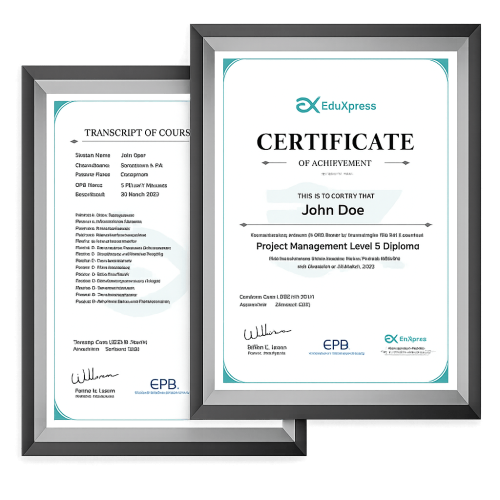
Upon successful completion of the final assessment, you will get a chance to order a CPD-accredited certificate confirming your achievement. This certificate is available in PDF as well as hard copy format, making it suitable for adding to your professional portfolio or CV. This certification supports your CPD but does not guarantee employment or entitlement to regulated roles.
Career Path
Frequently asked questions
Everything you need to know about the CV Writing and Job Searching
1. How can I write an effective CV for job applications?
An effective CV clearly highlights your skills, experience, and achievements relevant to the job. Start with a strong personal statement, use bullet points for clarity, and tailor your CV for each job application. Including keywords from the job description improves ATS compatibility and increases your chances in the UK job market.
2. What are the most important sections to include in a CV?
The most important CV sections include contact information, a professional summary, work experience, education, and relevant skills. Adding certifications and volunteer work can also enhance your profile. Structuring these sections clearly helps recruiters quickly assess your suitability for roles in competitive industries.
3. How do I tailor my CV for different job roles?
Tailor your CV by aligning your skills and experience with the specific job description. Use keywords and phrases from the job advert, emphasize relevant achievements, and adjust your professional summary accordingly. Customizing your CV improves visibility in applicant tracking systems and appeals directly to UK recruiters.
4. What are the best job searching strategies in the UK?
Effective UK job searching strategies include networking, using job boards like Indeed and LinkedIn, attending career fairs, and contacting recruitment agencies. Regularly updating your CV and cover letter, setting job alerts, and following up on applications increase your chances of securing interviews across various sectors.
5. How important is a cover letter in the job application process?
A cover letter is crucial as it provides a personalised introduction and highlights your motivation for the role. It complements your CV by explaining how your skills match the job requirements. A well-written cover letter can differentiate you from other candidates in the competitive UK job market.
6. How can I optimise my LinkedIn profile for job searching?
Optimise your LinkedIn profile by using a professional photo, writing a compelling headline and summary, and listing relevant skills. Engage with industry content and build connections within your field. A strong LinkedIn presence increases your visibility to UK recruiters and improves your online professional brand.
7. What mistakes should I avoid when writing a CV?
Avoid common CV mistakes such as including irrelevant information, spelling and grammar errors, and using an unprofessional email address. Also, avoid generic statements and ensure your CV is concise and well-formatted. Steering clear of these errors enhances your credibility and appeal to UK employers.
8. How can I prepare for job interviews effectively?
Effective interview preparation involves researching the company, practising common interview questions, and preparing examples of your achievements. Dressing appropriately and planning your journey to the interview venue are also key. Being well-prepared boosts confidence and increases your chances of success in UK job interviews.
9. How long should a CV be for UK employers?
For UK employers, a CV should typically be two pages long, focusing on relevant experience and skills. Conciseness is valued, so avoid unnecessary details. A well-structured, clear CV that fits within this length is more likely to capture recruiters’ attention and pass ATS filters.
10. Can I use a CV template for my job application?
Using a CV template is beneficial as it provides a professional structure and ensures consistency. Choose templates that are clean, ATS-friendly, and easy to customise. However, always personalise the content to reflect your unique skills and experience to stand out in the UK job market.
Curriculum
- 3 Sections
- 0 Lessons
- Lifetime
- CV Writing and Job Searching0 Items
- Order Your Certificate!0 Items
- Leave a Review!0 Items