Dialectical Behaviour Therapy (DBT)
By 2026, mental health professionals in the UK face increasing demand for effective therapeutic approaches, with over 40% of practitioners seeking new skills in evidence-based treatments. For the people seeking support, that gap matters enormously – because structured knowledge is what separates well-meaning help from genuinely effective care. The Dialectical Behaviour Therapy (DBT) course from EduXpress is a fully CPD-accredited, online programme designed for UK learners ready to build structured expertise, meet sector standards, and advance with the kind of grounded, practical knowledge that employers value.
This course covers essential DBT principles and techniques, including mindfulness, emotion regulation, and interpersonal effectiveness. Learners develop practical skills and confidence to understand and apply DBT strategies in a range of settings.
Flexible online CPD learning allows you to study at your own pace with full tutor support during weekdays. The course includes an assessment and offers a CPD-accredited certificate to support your professional development.
Learning Outcomes of Dialectical Behaviour Therapy (DBT)
Upon completion of this Dialectical Behaviour Therapy (DBT) from EduXpress, learners will be able to:
Why Choose Our Dialectical Behaviour Therapy (DBT) Course?
Who is This Dialectical Behaviour Therapy (DBT) For?
Certification: Dialectical Behaviour Therapy (DBT)
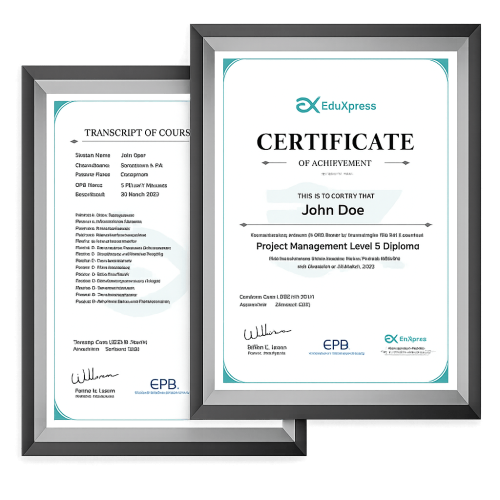
Upon successful completion of the final assessment, you will get a chance to order a CPD-accredited certificate confirming your achievement. This certificate is available in PDF as well as hard copy format, making it suitable for adding to your professional portfolio or CV.
Career Path
✓ Dialectical Behaviour Therapy (DBT) Training
Frequently asked questions
Everything you need to know about the Dialectical Behaviour Therapy (DBT)
1. What is Dialectical Behaviour Therapy (DBT)?
Dialectical Behaviour Therapy (DBT) is a cognitive-behavioral treatment designed to help individuals manage intense emotions and improve interpersonal effectiveness. DBT combines mindfulness, distress tolerance, emotion regulation, and interpersonal skills training to support mental health recovery. This therapy is especially effective for borderline personality disorder and emotional dysregulation.
2. Who can benefit from DBT training courses?
DBT training courses benefit mental health professionals, counselors, social workers, and anyone interested in evidence-based therapy techniques. Learners gain skills to support clients with emotional instability, self-harm behaviors, and mood disorders. This course enhances therapeutic competence in DBT’s core modules, improving client outcomes.
3. How long does a typical DBT course take to complete?
A typical DBT course takes between 8 to 12 weeks, depending on the program format and learner pace. Some courses offer intensive workshops or self-paced online modules. Completion includes understanding DBT theory, practical skills application, and case study analysis for professional development.
4. Is prior experience in therapy necessary to take a DBT course?
While prior experience in therapy is helpful, it is not always mandatory to enroll in a DBT course. Many programs accommodate beginners by introducing foundational concepts and gradually advancing to clinical applications. This inclusivity ensures learners from diverse backgrounds can effectively master DBT techniques.
5. How does DBT help with emotional regulation?
DBT helps with emotional regulation by teaching mindfulness and distress tolerance skills that enable clients to recognize and manage intense emotions effectively. It provides structured strategies to reduce emotional vulnerability and impulsive behaviors, promoting psychological resilience and long-term mental wellness.
6. Can DBT be used to treat conditions other than borderline personality disorder?
Yes, DBT is effective for treating various mental health conditions beyond borderline personality disorder, including depression, anxiety, PTSD, and substance use disorders. Its adaptable framework addresses emotional dysregulation and behavioral challenges across diverse clinical populations.
7. What are the key components of DBT therapy?
The key components of DBT therapy include individual psychotherapy, skills group training, phone coaching, and therapist consultation teams. These elements work synergistically to teach mindfulness, distress tolerance, emotion regulation, and interpersonal effectiveness, ensuring comprehensive client support.
8. How can I apply DBT skills in everyday life?
You can apply DBT skills in everyday life by practicing mindfulness to stay present, using distress tolerance techniques during crises, regulating emotions through cognitive reframing, and enhancing communication with interpersonal effectiveness skills. Regular practice fosters emotional stability and healthier relationships.
9. Are DBT courses accredited or certified?
Many DBT courses offer accreditation or certification recognized by professional bodies in psychology and counseling. Accredited DBT training ensures adherence to evidence-based standards and enhances professional credibility. Always verify course credentials before enrolling for career advancement.
10. Where can I find reputable DBT training programs near me?
Reputable DBT training programs can be found through accredited mental health organizations, universities, and professional training institutes. Search online directories and regional therapy associations to locate courses in your geographic area, ensuring they meet professional and educational standards.
Curriculum
- 3 Sections
- 0 Lessons
- Lifetime
- Dialectical Behaviour Therapy (DBT)0 Items
- Order Your Certificate!0 Items
- Leave a Review!0 Items