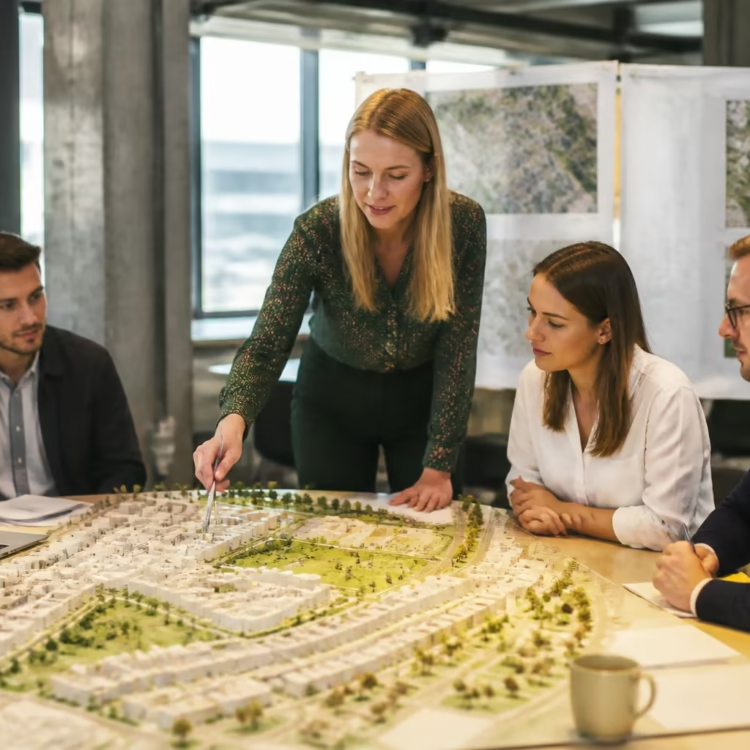
Spot the opportunity before everyone else sees the potential. Learn to evaluate property deals, understand development costs and make smarter decisions from land acquisition to the final sale.
Every property development starts with a question: is this opportunity worth pursuing? The Property Development Diploma introduces how developers assess land, examine market demand and plan projects before committing resources. You’ll explore the decisions behind residential and commercial development, from identifying promising locations to understanding the financial, legal and practical challenges that shape successful project delivery.
A site may look attractive, but its development potential depends on more than its asking price. You’ll examine property market research, local demand, development finance and financial feasibility. The course also explores land use planning and zoning concepts, with particular attention to planning permission, local plans and regulatory considerations affecting projects in England.
Once a proposal becomes viable, managing design, construction and commercial decisions becomes essential. You’ll explore project coordination, construction budgets, contractors, marketing and property sales. The course also introduces contracts, property law and investment analysis, helping you understand how costs, timelines, risks and expected returns influence decisions throughout the development process.
Completing a development is only one stage in its longer commercial life. The final modules examine property management, maintenance, sustainability and the opportunities and risks of international markets. Whether you’re considering a property career or exploring your own projects, this course builds an organised understanding of development planning, evaluation and management.
What You’ll Learn to Put Into Action
- Understand the property development process from concept to completion.
- Research property markets, locations and development opportunities.
- Evaluate development finance, budgets and project feasibility.
- Recognise land use planning, zoning and permission requirements.
- Understand design coordination, construction schedules and project risks.
- Explore property marketing, sales strategies and customer targeting.
- Recognise property ownership, contractual and legal considerations.
- Assess property investments using financial performance measures.
- Explore property management, sustainable development and international markets.
Who Is This Course For?
- Aspiring property developers exploring residential and commercial development.
- Property investors seeking stronger financial appraisal and planning knowledge.
- Estate agents and property professionals expanding their industry expertise.
- Construction professionals interested in property development and project management.
- Entrepreneurs considering land acquisition, renovation or development projects.
Career Path
The property development industry offers opportunities across estate agency, land and planning, construction management, surveying and real estate investment. Entry-level responsibilities may include researching property markets, gathering development information, supporting sales or assisting project teams. With relevant workplace experience and further professional training, individuals may progress into planning, surveying, project management or property development roles. The following are indicative UK annual salary ranges for related positions.
- Estate Agent: £23,000–£40,000 per year.
- Town Planning Assistant: £24,000–£32,000 per year.
- Planning and Development Surveyor: £27,000–£55,000 per year.
- Construction Manager: £27,000–£65,000 per year.
- Quantity Surveyor: £26,000–£70,000 per year.
Why Choose Our Property Development Diploma Course?
- Structured learning covering property development and investment principles.
- Practical understanding of planning, finance and construction management.
- 100% online, self-paced learning with lifetime access.
- Explore property market research, legal considerations and sales strategies.
- Understand investment appraisal, sustainability and development risks.
- Online knowledge checks and multiple-choice assessment.
- Certificate options to support continuing professional development.
What the Course Covers
Module 1: Introduction to Property Development
Property development involves acquiring, improving or constructing property to achieve defined commercial or investment objectives. This module introduces the development lifecycle, common project types and the responsibilities of developers and their professional teams. You’ll explore opportunity identification, feasibility, project planning and development risks. The lessons also distinguish development from property investment, estate agency and ongoing property management.
Module 2: Property Market Analysis
Property market analysis helps developers understand demand, competition and the commercial potential of a location. This module introduces local property research, comparable sales, rental trends and demographic information. You’ll explore how transport connections, employment, amenities and housing supply can influence demand. The lessons also consider interpreting market evidence, recognising uncertainty and evaluating opportunities without relying on unsupported price forecasts.
Module 3: Property Development Finance
Development finance determines whether a proposed project can be funded and managed through its various stages. This module introduces funding sources, development loans, equity investment, cash flow and project budgeting. You’ll explore acquisition costs, construction expenditure, finance charges and contingency allowances. The lessons also examine financial feasibility, borrowing risks and the importance of testing assumptions before committing capital.
Module 4: Land Use Planning and Zoning
Land use controls influence how sites may be developed and which proposals are likely to receive approval. This module introduces planning systems, zoning concepts, permitted uses and development restrictions. You’ll explore England’s local planning policies, planning permission and the relationship between land use and building regulation requirements. The lessons also consider site constraints, environmental assessments and professional planning advice.
Module 5: Design and Construction Management
Turning a property proposal into a completed building requires coordination between design professionals, contractors and project managers. This module introduces design development, construction scheduling, procurement and monitoring project costs. You’ll explore planning milestones, quality checks, site communication and managing variations. The lessons also consider construction safety responsibilities, building regulations and controlling delays throughout the development process.
Module 6: Marketing and Sales
Property marketing connects completed or proposed developments with suitable buyers, tenants and investors. This module introduces market positioning, target audiences, property descriptions and promotional channels. You’ll explore pricing strategy, estate agent relationships, viewings and communicating development features accurately. The lessons also consider sales negotiations, customer enquiries, property information requirements and the risks of misleading marketing claims.
Module 7: Property Law and Contracts
Legal arrangements influence land ownership, development rights and the responsibilities of parties involved in property transactions. This module introduces freehold and leasehold interests, title checks, contracts and relevant property documentation. You’ll explore the role of solicitors, planning obligations and contractual risk. The lessons also examine conveyancing, construction agreements and the importance of obtaining appropriate professional legal advice.
Module 8: Real Estate Investment Analysis
Investment analysis helps developers compare potential returns with the costs and risks of a project. This module introduces property valuation concepts, rental yield, capital growth, return on investment and cash flow evaluation. You’ll explore gross development value, estimated profit and sensitivity analysis. The lessons also consider financing costs, market uncertainty and using realistic assumptions to evaluate competing development opportunities.
Module 9: Property Management
Property management concerns the operation, maintenance and administration of buildings after occupation or during an investment holding period. This module introduces tenant communication, repairs, maintenance planning and property inspections. You’ll explore managing contractors, service costs and relevant records. The lessons also consider landlords’ responsibilities, building safety awareness and maintaining property value through appropriate long-term management.
Module 10: Sustainable Property Development
Sustainable development considers environmental performance, resource use and long-term building operation. This module introduces energy-efficient design, responsible materials, waste reduction and low-carbon construction principles. You’ll explore sustainable building performance and biodiversity net gain requirements affecting relevant projects in England. The lessons also consider balancing environmental objectives, construction costs and the ongoing needs of occupants and communities.
Module 11: Property Development in International Markets
International property development involves evaluating opportunities under different legal, financial and planning systems. This final module introduces overseas market research, foreign ownership rules, exchange rate exposure and cross-border investment risks. You’ll explore differences in zoning, taxation, development approvals and property transactions. The lessons also consider local professional advice, market transparency and assessing whether opportunities fit an investor’s objectives.
Accreditation & Recognition
The Property Development Diploma introduces property market analysis, development finance, land use planning, construction management, marketing, property law and investment appraisal. It supports continuing professional development for individuals interested in property development, real estate, surveying support and construction project management.
- Earn a CPD-style certificate of completion (where applicable).
- 100% online, self-paced study with lifetime access.
- Includes online multiple-choice assessment and knowledge checks.
- Optional digital certificate (printed version available for £24.99).
- Supports professional development in property planning, investment analysis and real estate project management.
Assessment & Certification: Property Development Diploma
Your understanding is assessed through an online multiple-choice assessment covering property development principles, market research, development finance, planning and zoning, construction management, marketing, property law, investment analysis, property management, sustainable development and international property markets.
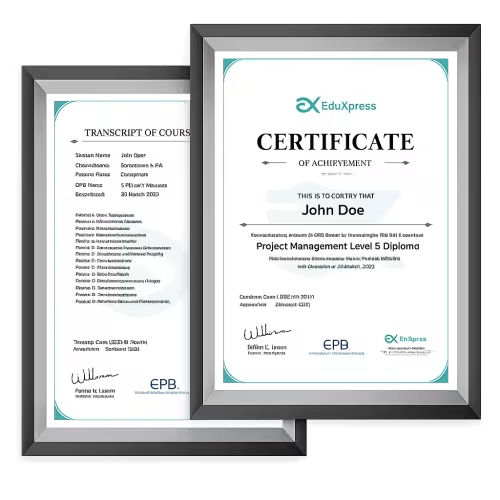
After successful completion, you can order a digital certificate documenting your learning in property development, market analysis, finance, planning and project management principles. An optional printed certificate is available for £24.99.
Frequently Asked Questions
What is property development?
What are the main stages of property development?
What is the difference between property development and property investment?
Is the Property Development Diploma suitable for beginners?
Do I need construction experience to learn property development?
How do property developers find development opportunities?
Why is property market analysis important?
How can I assess whether a location is suitable for development?
What is a property development feasibility study?
What does gross development value (GDV) mean?
What is residual land valuation?
What costs should be included in a property development budget?
How is property development financed in the UK?
What is the difference between bridging finance and development finance?
Why is a contingency budget important in property development?
What are the biggest financial risks in property development?
How is return on investment calculated for a property project?
What is rental yield in property investment?
What is sensitivity analysis in property development?
Do property developers need planning permission in England?
What is the difference between land use planning and zoning?
What is a local plan in property development?
What is the difference between outline and full planning permission?
What is permitted development in the UK?
Are planning permission and building regulations approval the same?
What responsibilities do developers have under CDM Regulations 2015?
What legal checks should be carried out before buying development land?
What is the difference between freehold and leasehold property?
What contracts are used in property development?
Do property developers pay Stamp Duty Land Tax?
How do developers market new-build properties?
What is an off-plan property purchase?
What does a construction project manager do in property development?
What does property management involve after development?
What is sustainable property development?
What is biodiversity net gain in property development?
How do international property development markets differ?
What careers can property development knowledge support?
How much does a planning and development surveyor earn in the UK?
Can I study the Property Development Diploma online while working?
Will I receive a certificate after completing the Property Development Diploma?
Curriculum
- 1 Section
- 11 Lessons
- Lifetime
- Property Development Diploma11 Items
- 1.1Module 1: Introduction to Property Development
- 1.2Module 2: Property Market Analysis
- 1.3Module 3: Property Development Finance
- 1.4Module 4: Land Use Planning and Zoning
- 1.5Module 5: Design and Construction Management
- 1.6Module 6: Marketing and Sales
- 1.7Module 7: Property Law and Contracts
- 1.8Module 8: Real Estate Investment Analysis
- 1.9Module 9: Property Management
- 1.10Module 10: Sustainable Property Development
- 1.11Module 11: Property Development in International Markets