


Behind a successful retail store is a manager balancing customers, people, products and performance. Getting those decisions right can turn a busy shop into a well-run business.
It’s Saturday afternoon. The queue is growing, a popular product has sold out and two colleagues need help on the shop floor. Meanwhile, the weekly sales target hasn’t changed. These are the moments when retail management becomes more than a job title. The Professional Retail Management Certification course looks at the decisions behind running a store effectively, from organising daily operations and maintaining presentation standards to keeping customers satisfied when things don’t go according to plan.
A well-managed shop feels straightforward to customers, but there’s a considerable amount of coordination behind the scenes. Deliveries must be checked, shelves replenished, displays maintained and staff allocated to the areas where they’re needed most. You’ll explore store routines, stock control, loss prevention and merchandising, building an understanding of how operational standards connect directly with customer experience and commercial results.
People are just as important as products. A manager may need to coach a new sales assistant, address a customer complaint, support an underperforming colleague or prepare the team for a major promotion. The course examines service recovery, communication, team development and staff performance alongside retail marketing and sales planning. Rather than treating every challenge as an isolated problem, you’ll consider how training, expectations and consistent leadership shape the store’s overall performance.
The final part of the course focuses on making better management decisions using business information. Sales figures, conversion rates, stock availability, staffing costs and customer feedback all reveal different parts of the picture. You’ll learn how retail leaders use Key Performance Indicators (KPIs) to identify priorities, review results and plan improvements. The course provides a practical foundation for learners interested in store supervision, retail management, commercial operations or running their own retail business.
What You’ll Learn to Put Into Action
- Understand retail management responsibilities, store structures and commercial objectives.
- Organise daily store operations, opening procedures and presentation standards.
- Apply customer service principles and handle complaints professionally.
- Explore sales techniques, product merchandising and effective store displays.
- Understand stock control, inventory accuracy and retail loss prevention.
- Develop approaches to staff supervision, training and performance management.
- Plan retail promotions and coordinate marketing activities with store objectives.
- Monitor sales, conversion, average transaction value and other retail KPIs.
- Use performance information and customer feedback to guide business improvements.
Who Is This Course For?
- Retail sales assistants preparing for supervisory responsibilities.
- Existing store supervisors looking to develop management knowledge.
- Aspiring retail store managers and department managers.
- Assistant store managers and retail team leaders.
- Shop owners and small retail business operators.
- Visual merchandising and retail sales professionals.
- Inventory and stock control staff interested in wider retail operations.
- Customer service professionals considering retail leadership positions.
- Individuals planning to open a physical retail store.
- Professionals seeking continuing professional development in retail management.
Career Path
Retail management knowledge is useful across supermarkets, fashion stores, specialist retailers, department stores and independent businesses. Employees may progress from sales roles into supervision, merchandising, store management or broader commercial responsibilities. Some experienced managers eventually oversee multiple locations or establish their own businesses. The following are indicative annual UK salary ranges for related roles.
- Retail Sales Assistant: £19,000–£27,000 per year.
- Retail Supervisor / Team Leader: £24,000–£34,000 per year.
- Assistant Store Manager: Approximately £26,000–£38,000 per year, depending on employer and experience.
- Visual Merchandiser: £23,000–£31,000 per year.
- Retail Store Manager: £26,000–£60,000 per year.
- Area / Regional Retail Manager: Approximately £40,000–£70,000 per year, depending on business size and responsibilities.
Why Choose Our Professional Retail Management Certification Course?
- Instantly accessible CPD-accredited certificate.
- Recognised nationwide by UK employers.
- 24/7 access to the course material for lifetime.
- Study at your own pace.
- No hidden fees or exam charges.
- Efficient assessment and instant results.
- Full Tutor support on weekdays (Monday – Friday).
What the Course Covers
Module 01: Introduction to Professional Retail Management
Retail management combines customer service, commercial planning and the coordination of people and products. This module introduces the structure of retail businesses, management responsibilities and common store objectives. You’ll explore different retail formats, the customer journey and everyday management decisions. The lessons also consider how store performance depends on consistent standards, effective teamwork and an understanding of business priorities.
Module 02: Retail Operations, Store Standards and Daily Management
A store needs reliable routines to operate smoothly throughout the trading day. This module explores opening and closing procedures, staff allocation, housekeeping and maintaining store standards. You’ll consider managing deliveries, replenishment, queues and operational priorities during busy periods. The lessons examine effective communication, workplace safety and the importance of consistent procedures in creating an organised shopping environment.
Module 03: Customer Service, Experience and Complaint Handling
A customer complaint can become an opportunity to restore confidence when handled properly. This module examines service expectations, active listening, resolving concerns and communicating professionally with customers. You’ll explore different stages of the shopping experience, managing difficult conversations and responding to feedback. The lessons also introduce customer rights, fair returns procedures and maintaining service standards across retail teams.
Module 04: Sales Performance, Merchandising and Product Presentation
Product placement, clear pricing and helpful staff can influence how customers shop. This module explores retail selling techniques, merchandising principles and effective product presentation. You’ll consider display planning, customer movement, promotional areas and presenting products according to brand standards. The lessons connect visual decisions with sales measures, product availability and maintaining an attractive, accessible store environment.
Module 05: Stock Control, Inventory and Loss Prevention
Too much stock ties up money, while empty shelves can mean missed sales. This module introduces inventory management, stock counts, replenishment and maintaining accurate stock records. You’ll explore deliveries, stock rotation, shrinkage and common sources of inventory loss. The lessons also consider theft prevention, damaged goods and using stock information to support purchasing and operational decisions.
Module 06: Managing Retail Teams, Training and Staff Performance
A retail manager needs people who understand their responsibilities and feel confident performing them. This module explores staff induction, assigning duties, coaching and monitoring performance. You’ll consider giving constructive feedback, addressing training needs and managing team communication. The lessons also examine staff motivation, fair treatment and maintaining consistent service standards when teams work across different shifts.
Module 07: Retail Marketing, Promotions and Commercial Planning
Successful promotions need more than an attractive discount sign. This module examines retail marketing activities, seasonal campaigns and planning promotional events around commercial objectives. You’ll explore how pricing, product availability, merchandising and staff communication affect campaign delivery. The lessons also consider promotional budgets, customer communication, responsible advertising and reviewing whether marketing activity produces worthwhile business results.
Module 08: Retail Leadership, KPIs and Business Improvement
Retail leadership involves turning performance information into clear actions for the team. This module introduces sales KPIs, conversion rates, average transaction value, productivity and other measures of store performance. You’ll explore setting priorities, reviewing results and identifying operational improvements. The lessons also examine coaching, accountability and balancing commercial targets with customer service and sustainable team performance.
Accreditation & Recognition
The Professional Retail Management Certification course is designed around established retail operations, customer service, merchandising, inventory management and business leadership principles, supporting professional development in store management and commercial retail operations.
- Earn a CPD-style certificate of completion (where applicable).
- 100% online, self-paced study with lifetime access.
- Includes online multiple-choice assessment and knowledge checks.
- Optional digital certificate (printed version available for £24.99).
- Supports professional development in retail operations, store leadership and commercial management.
Assessment & Certification: Professional Retail Management Certification
Your understanding is assessed through an online multiple-choice assessment covering retail management fundamentals, store operations, customer experience, complaint handling, sales performance, merchandising, inventory control, loss prevention, team supervision, retail marketing, KPIs and business improvement.
Assessment questions focus on realistic retail management decisions. You may be asked to respond to a customer complaint, identify the cause of stock discrepancies, interpret store sales performance, select suitable staff coaching approaches or evaluate whether a promotional campaign supports commercial objectives.
An optional reflective development portfolio can extend your learning through a daily store operations checklist, sample customer complaint response, merchandising review, stock control plan, employee coaching outline and KPI performance report. These activities encourage you to connect management principles with practical store situations.
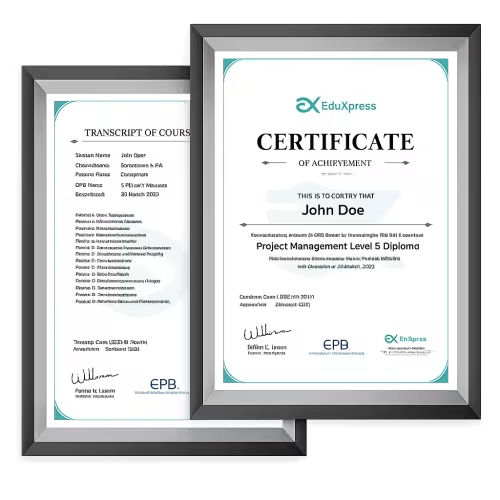
After successful completion, you can order a digital certificate to record your achievement and continuing professional development in retail management. An optional printed certificate is also available for £24.99.
Frequently Asked Questions
What is professional retail management?
What does a retail store manager do?
How do I become a retail manager in the UK?
Can I become a retail manager without a degree?
What qualifications do you need to be a retail manager?
How much does a retail manager earn in the UK?
Is retail management a good career in the UK?
What is the difference between a retail supervisor and retail manager?
What skills are important for a retail store manager?
What are the main responsibilities of retail operations management?
How do you manage daily retail store operations effectively?
What are retail store standards?
How should retail staff handle customer complaints?
What are customers’ refund rights in UK shops?
How can retail managers improve customer experience?
What is visual merchandising in retail?
How does product presentation affect retail sales?
What is stock control in retail management?
What is retail shrinkage and how can it be reduced?
How can a retail manager reduce stock losses?
What is the difference between stock control and inventory management?
How do you motivate a retail sales team?
How should retail managers handle underperforming employees?
What are retail KPIs?
How do you calculate retail conversion rate?
What is average transaction value in retail?
How do you increase retail sales without relying on discounts?
How do retail stores plan successful promotions?
What is commercial awareness in retail management?
What is omnichannel retail management?
Can I study retail management online while working?
Is Professional Retail Management Certification suitable for beginners?
Can this retail management course help with promotion to store supervisor?
Is this retail management certification a regulated UK qualification?
Will I receive a certificate after completing Professional Retail Management Certification?
Curriculum
- 1 Section
- 8 Lessons
- Lifetime
- Professional Retail Management Certification8 Items
- 1.1Module 01: Introduction to Professional Retail Management
- 1.2Module 02: Retail Operations, Store Standards and Daily Management
- 1.3Module 02: Retail Operations, Store Standards and Daily Management
- 1.4Module 04: Sales Performance, Merchandising and Product Presentation
- 1.5Module 05: Stock Control, Inventory and Loss Prevention
- 1.6Module 06: Managing Retail Teams, Training and Staff Performance
- 1.7Module 07: Retail Marketing, Promotions and Commercial Planning
- 1.8Module 08: Retail Leadership, KPIs and Business Improvement