Vegan(Vegetarian) Diet
By 2026, over 30% of UK adults are expected to follow a plant-based diet, creating a growing need for professionals with knowledge of vegan and vegetarian nutrition. That gap has a direct impact on care quality – and for the people depending on well-trained professionals, it is not a gap they can afford. The Vegan(Vegetarian) Diet course from EduXpress is built for UK health and care professionals who are ready to move from awareness to genuine expertise – a fully CPD-accredited, online programme that delivers the structured knowledge sector standards demand and employers recognise.
This course covers key aspects of vegan and vegetarian diets, including nutritional requirements, myths, and considerations for athletes. Learners build confidence and practical skills to understand and support plant-based dietary choices in professional settings. The course promotes applied knowledge relevant to health, fitness, and wellness sectors.
Flexible online CPD learning allows you to study at your own pace with full tutor support available on weekdays. The course includes an assessment to confirm your understanding and offers a CPD-accredited certificate, helping you to document your ongoing professional development.
Learning Outcomes of Vegan(Vegetarian) Diet
Upon completion of this Vegan(Vegetarian) Diet from EduXpress, learners will be able to:
Why Choose Our Vegan(Vegetarian) Diet Course?
Who is This Vegan(Vegetarian) Diet For?
Certification: Vegan(Vegetarian) Diet
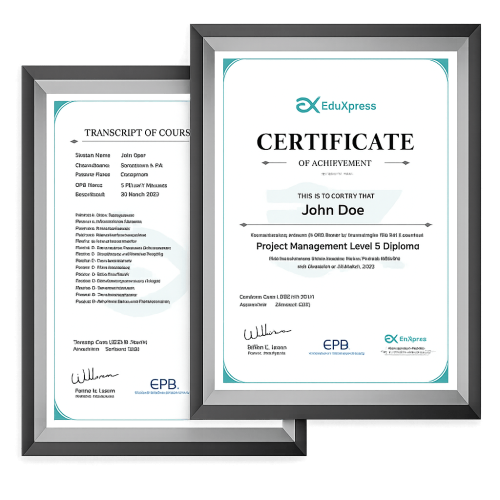
Upon successful completion of the final assessment, you will get a chance to order a CPD-accredited certificate confirming your achievement. This certificate is available in PDF as well as hard copy format, making it suitable for adding to your professional portfolio or CV. Please note this certification does not guarantee employment or entitlement to regulated roles.
Career Path
✓ Vegan(Vegetarian) Diet Training
Frequently asked questions
Everything you need to know about the Vegan(Vegetarian) Diet
1. What is a vegan diet?
A vegan diet is a plant-based eating plan that excludes all animal products, including meat, dairy, eggs, and honey. It focuses on fruits, vegetables, grains, nuts, and legumes to provide essential nutrients. This diet supports ethical, environmental, and health goals by emphasizing cruelty-free and sustainable food choices.
2. How can I get enough protein on a vegan diet?
You can get sufficient protein on a vegan diet by consuming a variety of plant-based sources such as beans, lentils, tofu, tempeh, quinoa, nuts, and seeds. Combining different protein-rich foods ensures you receive all essential amino acids needed for muscle maintenance and overall health in a vegetarian lifestyle.
3. Is a vegan diet healthy for all ages?
A well-planned vegan diet can be healthy and nutritionally adequate for all ages, including children, adults, pregnant women, and seniors. It requires careful selection of nutrient-dense foods and possible supplementation of vitamin B12, vitamin D, and omega-3 fatty acids to meet specific age-related dietary needs.
4. How do I transition to a vegan diet smoothly?
To transition smoothly to a vegan diet, start by gradually replacing animal products with plant-based alternatives and exploring new recipes. Planning meals ahead, learning about vegan nutrition, and seeking support from vegan communities or nutritionists can help ensure a balanced and enjoyable shift to vegetarian eating.
5. What are common nutrients to watch for on a vegan diet?
Key nutrients to monitor on a vegan diet include vitamin B12, iron, calcium, omega-3 fatty acids, and vitamin D. Incorporate fortified foods, supplements, and a diverse range of plant foods like leafy greens, nuts, seeds, and legumes to prevent deficiencies and maintain optimal health within a vegan lifestyle.
6. Can a vegan diet help with weight management?
A vegan diet can support weight management by emphasizing whole, low-calorie plant foods rich in fiber, which promote satiety and reduce calorie intake. This diet’s focus on fruits, vegetables, and whole grains naturally lowers fat consumption and can improve metabolism, aiding in healthy, sustainable weight loss or maintenance.
7. Are vegan diets environmentally sustainable?
Yes, vegan diets are environmentally sustainable as they reduce greenhouse gas emissions, conserve water, and lower land use compared to animal-based diets. Choosing plant-based foods supports biodiversity and decreases the ecological footprint, making veganism a responsible choice for individuals concerned about global environmental health.
Curriculum
- 3 Sections
- 0 Lessons
- Lifetime
- Vegan(Vegetarian) Diet0 Items
- Order Your Certificate!0 Items
- Leave a Review!0 Items