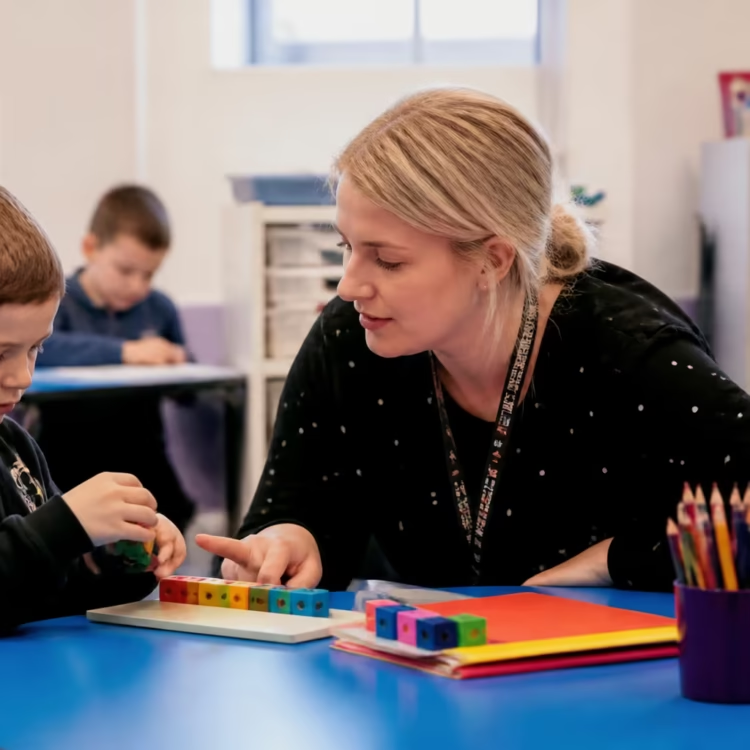
Develop a stronger understanding of positive classroom behaviour management with this flexible online course. Explore challenging behaviour, classroom routines, pupil engagement, social, emotional and mental health needs, and evidence-informed behaviour support. Learn about de-escalation, behavioural models, individualised responses and schoolwide positive behaviour approaches. Ideal for teachers, teaching assistants, SEN support staff and education professionals seeking to create calm, inclusive and supportive learning environments.
Last updated: Oct 26, 2026
(0 Reviews)
10 CPD Points
Highly Rated
Best Selling
A calm, supportive classroom helps every pupil feel ready to learn. Explore positive behaviour management, clear routines, inclusive teaching and practical de-escalation strategies to understand how educators can build respectful and productive learning environments.
Course Overview
Effective classroom behaviour management involves more than responding when pupils break rules. It requires clear expectations, positive relationships, consistent routines and an understanding of the different factors influencing children’s behaviour. Our Classroom Behaviour Management Training course introduces evidence-informed approaches to behaviour support in primary and secondary educational settings. Designed for teachers, teaching assistants, learning support staff and aspiring education professionals, it supports continuing professional development in creating inclusive, safe and productive classrooms.
Explore the causes and characteristics of challenging behaviour, the importance of positive behaviour support and approaches to maintaining classroom expectations. Examine social, emotional and mental health difficulties, behaviour patterns, individual needs and strategies for preventing disruption before it escalates. Develop an understanding of behavioural models, positive reinforcement, communication, de-escalation and appropriate responses to incidents. The course also considers schoolwide positive behaviour support, consistent staff practices and the importance of working collaboratively with pupils, families and specialist professionals.
How can educators respond when a pupil repeatedly interrupts lessons, becomes overwhelmed or struggles to follow classroom expectations? Strengthen your understanding of supportive intervention, proactive routines and behaviour management decisions that respect children’s dignity and individual needs. Enrol online to explore effective classroom behaviour practices, develop greater confidence in responding to challenges and support a positive culture of learning and wellbeing.
What You’ll Learn to Put Into Action
Recognise the different factors that may contribute to challenging behaviour in educational settings.
Understand positive classroom management principles, clear expectations and consistent routines.
Explore practical approaches to promoting pupil engagement and reducing classroom disruption.
Identify how social, emotional and mental health needs may influence learning and behaviour.
Explain positive reinforcement, personalised support and appropriate behaviour interventions.
Interpret introductory behavioural models, including antecedents, behaviours and consequences.
Understand calm communication, de-escalation and safeguarding responsibilities during incidents.
Recognise how schoolwide positive behaviour support promotes consistency and inclusive practice.
Who Is This Course For?
Primary and secondary school teachers developing their classroom management knowledge.
Teaching assistants supporting pupil behaviour, engagement and learning.
SEN teaching assistants and learning support workers assisting pupils with additional needs.
Pastoral staff, learning mentors and education professionals supporting pupil wellbeing.
Aspiring educators and school volunteers interested in positive behaviour management.
Career Path
Classroom behaviour management knowledge can complement responsibilities across primary schools, secondary schools, special educational needs settings, alternative provision and educational support services. Teachers and teaching assistants regularly use classroom routines, positive communication and behaviour support approaches to maintain safe learning environments. Understanding individual needs, emotional regulation and appropriate intervention can also support pastoral care, pupil mentoring and collaborative work with families and specialist staff.
Developing behaviour management knowledge may support further professional development in teaching assistance, learning support, pastoral services and educational welfare. With additional qualifications, practical experience, safeguarding training and recognised professional credentials where required, learners may explore teaching, mentoring and school support opportunities. Course completion alone does not confer qualified teacher status or authorisation to carry out specialist behavioural interventions. Related UK occupations include the following indicative annual salary ranges.
Teaching Assistant / Classroom Assistant: Approximately £19,000–£26,000 per year.
Special Educational Needs Teaching Assistant: Approximately £19,000–£27,000 per year.
Learning Mentor: Approximately £21,000–£27,000 per year.
Education Welfare Officer: Approximately £24,000–£32,000 per year, with relevant experience and qualifications.
Primary School Teacher: Approximately £34,000–£53,000 per year, requiring recognised teacher training and qualifications.
Secondary School Teacher: Approximately £34,000–£53,000 per year, requiring recognised teacher training and qualifications.
Why Choose Our Classroom Behaviour Management Training Course?
Structured CPD learning focused on positive classroom behaviour and inclusive education.
100% online, flexible and self-paced study.
Explore classroom routines, positive reinforcement and practical behaviour support approaches.
Develop awareness of SEMH needs, de-escalation, safeguarding and schoolwide behaviour practices.
Online multiple-choice assessment or written assignment to evaluate learning.
Certificate options available following successful course completion.
What the Course Covers
Module 01: Introduction to Challenging Behaviour
Discover what is meant by challenging behaviour in educational settings and why behaviour should be understood within its wider context. Explore common classroom difficulties such as repeated interruptions, refusal to participate, conflict and emotional outbursts. Understand how unmet learning needs, communication difficulties, environmental pressures and individual circumstances can influence pupil responses. Examine the difference between observable behaviour and assumptions about a child’s intentions. This introductory module encourages compassionate, consistent and informed approaches that maintain expectations while recognising the importance of safeguarding and pupil wellbeing.
Module 02: Primary Classroom Management and Positive Behaviour Support
Explore how clear routines, positive relationships and predictable expectations contribute to effective primary classroom management. Understand the principles of positive behaviour support, including teaching appropriate behaviours, recognising effort and reducing unnecessary triggers. Examine classroom organisation, transitions, teacher communication and the importance of consistent responses. Consider how visual reminders and developmentally appropriate instructions can help younger pupils understand expectations. This module highlights the value of proactive teaching and encouraging positive participation rather than relying exclusively on sanctions after difficulties occur.
Module 03: Managing Pupil Behaviour in the Classroom
Develop an understanding of everyday classroom management decisions and their influence on pupil engagement. Explore approaches to establishing boundaries, providing clear instructions and addressing low-level disruption without unnecessarily interrupting learning. Examine the importance of classroom layout, transitions, consistent routines and respectful teacher-pupil communication. Understand how feedback, recognition and appropriate consequences can contribute to a positive classroom culture. This module encourages educators to balance firm expectations with fairness, individual circumstances and inclusive teaching practices.
Module 04: Social, Emotional and Mental Health Difficulties
Explore social, emotional and mental health difficulties and how they may affect children’s school experiences. Understand possible links between emotional distress, anxiety, relationships, communication and observable classroom behaviour. Examine why pupils experiencing SEMH needs may benefit from predictable environments, supportive relationships and individually appropriate strategies. Consider the importance of distinguishing learning or emotional support needs from deliberate misconduct without making unsupported assumptions. This module promotes sensitive observation, appropriate adjustments and timely communication with safeguarding, pastoral and specialist professionals when concerns arise.
Module 05: Behaviour Support Strategies
Discover practical approaches to encouraging appropriate behaviour and supporting pupils who experience recurring difficulties. Explore positive reinforcement, structured routines, individual targets, clear communication and personalised support plans. Understand the importance of identifying possible triggers and teaching alternative ways for pupils to communicate their needs. Examine how teachers may monitor responses and adapt strategies collaboratively with support staff and families. This module encourages consistent, evidence-informed support that protects dignity, maintains classroom expectations and recognises individual differences.
Module 06: Behavioural Models for Managing Challenging Behaviour
Explore introductory behavioural models used to understand patterns of pupil behaviour. Examine the antecedent-behaviour-consequence framework and how observations may help identify situations occurring before and after a behavioural incident. Understand the role of reinforcement, learned responses and environmental influences in classroom settings. Consider how behavioural models can inform appropriate support strategies without reducing children to labels or assumptions. This module also introduces the importance of professional judgement, safeguarding and individualised planning when interpreting behaviour and choosing interventions.
Module 07: Responding to Challenging Behaviour
Understand how educators can respond calmly and appropriately when a pupil becomes distressed, disruptive or unsafe. Explore verbal de-escalation, maintaining a respectful tone, reducing unnecessary confrontation and recognising situations requiring additional support. Examine the importance of protecting other pupils, following school policies and reporting safeguarding concerns promptly. Develop awareness of the legal and professional safeguards governing restrictive interventions in England, including the requirement that any use of reasonable force must be necessary and proportionate. This module emphasises prevention, safety and appropriate post-incident review.
Module 08: Implementing Schoolwide Positive Behaviour Support
Explore how a coordinated schoolwide approach can promote positive pupil behaviour across classrooms, corridors and shared spaces. Understand the importance of agreed expectations, consistent routines, staff communication and clear behaviour policies. Examine how school leaders and staff can combine universal practices with targeted support for pupils requiring additional assistance. Consider the use of behaviour information, family engagement and regular evaluation to review effectiveness. This final module highlights the value of coherent school culture, inclusive practice and sustained collaboration when supporting pupil behaviour and wellbeing.
Accreditation & Recognition
The Classroom Behaviour Management Training course supports continuing professional development in positive behaviour support, inclusive classroom management, social and emotional needs, de-escalation and schoolwide behaviour strategies. It provides an opportunity to strengthen theoretical knowledge relevant to education and pupil support. CPD accreditation coverage should be confirmed against the course’s approved accreditation arrangements. Completion does not provide qualified teacher status, specialist therapeutic credentials or practical authorisation to carry out restrictive interventions.
Structured online learning supporting continuing professional development.
Supports professional learning and development records.
Digital EduXpress course certificate available after successful completion.
Optional printed certificate available for £24.99.
Assessment & Certification: Classroom Behaviour Management Training
Your understanding is assessed through an online multiple-choice assessment or written assignment covering challenging behaviour, positive classroom management, pupil engagement, social, emotional and mental health needs, behaviour support strategies, behavioural models, appropriate incident responses and schoolwide positive behaviour practices. The assessment evaluates theoretical understanding of classroom behaviour management and the principles of respectful, inclusive and safeguarding-conscious pupil support.
Following successful completion, you can order an EduXpress digital course certificate documenting your achievement in Classroom Behaviour Management Training. An optional printed certificate is available for £24.99. The certificate recognises structured online learning and may support your continuing professional development record. It does not replace supervised classroom experience, safeguarding training, recognised teaching qualifications or specialist training required for particular behavioural interventions.
Frequently Asked Questions
What are the most effective classroom behaviour management strategies?
Effective classroom behaviour management typically combines clear expectations, predictable routines, positive relationships and consistent responses. Teachers can explicitly teach appropriate learning behaviours, provide clear instructions and recognise positive participation. Lessons that are accessible and engaging may also reduce avoidable disruption. The Education Endowment Foundation emphasises understanding individual pupils and using coherent schoolwide approaches. No single strategy is appropriate for every child or every situation, so regular evaluation remains important.
How can teachers manage low-level disruption in the classroom?
Low-level disruption may include calling out, off-task conversation or repeatedly interrupting activities. Teachers can respond by reinforcing routines, giving clear reminders, using calm non-verbal cues and checking whether pupils understand the task. Predictable transitions and engaging lesson activities can help prevent some difficulties. Responses should follow the school’s behaviour policy while remaining proportionate and respectful. Repeated patterns may indicate a need to review learning support or environmental factors.
What is positive behaviour support in schools?
Positive behaviour support is an approach that seeks to understand the factors influencing behaviour and develop supportive ways to improve outcomes. It emphasises prevention, appropriate environmental adjustments, teaching useful skills and reinforcing positive participation. In schools, this may involve classroom expectations, individual support plans and collaboration between educators, families and relevant professionals. Positive behaviour support is not the absence of boundaries; it combines clear expectations with appropriate assistance and respect for pupils’ needs.
What is the ABC model of behaviour in education?
The ABC model refers to Antecedent, Behaviour and Consequence. An antecedent is what happens before an observable behaviour, while a consequence is what follows it. For example, a difficult transition may precede a pupil leaving their seat, followed by adult attention or a change in activity. Recording these observations can help identify patterns. However, an ABC record does not establish a pupil’s intentions or diagnose a condition, and findings should be interpreted carefully.
How should teachers respond to a pupil having an emotional meltdown?
Prioritise safety, remain calm and reduce unnecessary demands or sensory pressures where appropriate. Use simple, respectful communication and allow the pupil appropriate time and space to regain regulation while maintaining safe supervision. Avoid public confrontation or trying to reason extensively during acute distress. Follow the child’s agreed support plan and school safeguarding procedures. Afterwards, review possible triggers and support needs with the relevant staff and family where appropriate.
What are social, emotional and mental health needs in schools?
Social, emotional and mental health needs, often called SEMH needs, may affect how a pupil manages emotions, develops relationships, participates in learning or responds to school experiences. Difficulties can appear in different ways, including withdrawal, anxiety, conflict or emotional distress. Behaviour alone does not establish a mental health diagnosis. Schools should consider individual circumstances, provide appropriate educational support and involve pastoral, safeguarding or specialist professionals when needed.
How can teachers support pupils with ADHD or autism during lessons?
Support should reflect each pupil’s individual strengths, communication preferences and learning needs. Helpful approaches may include predictable routines, clear instructions, visual supports, suitable movement opportunities and adjustments to sensory demands. Educators should avoid assuming that all autistic pupils or pupils with ADHD require the same strategies. Effective support involves consulting the pupil where appropriate, working with families and the school’s SENCO, and reviewing whether planned adjustments are helpful.
What is the difference between positive reinforcement and punishment?
In behavioural theory, positive reinforcement involves adding a consequence after a behaviour that increases the likelihood of that behaviour occurring again. For example, meaningful recognition may encourage a pupil to follow a taught classroom routine. Punishment refers to a consequence intended to reduce behaviour, although the effect may not always match the intention. In education, reinforcement and consequences should be considered alongside relationships, fairness, school policy and pupils’ individual circumstances.
Can teachers use physical restraint to manage challenging behaviour in England?
School staff in England have limited legal powers to use reasonable force in specified circumstances. The Department for Education’s restrictive interventions guidance, effective from April 2026, emphasises appropriate safeguards. Any intervention must be lawful, necessary and proportionate, and physical force must never be used as corporal punishment. Staff must follow current guidance, individual support arrangements and their school’s policies, including applicable recording and reporting requirements. Restrictive interventions should not be treated as routine behaviour management techniques.
What is schoolwide positive behaviour support, and how does it work?
Schoolwide positive behaviour support is a coordinated approach to teaching and encouraging appropriate behaviour across an educational setting. It commonly involves shared expectations, consistent routines, staff collaboration and targeted assistance for pupils needing additional support. Rather than relying on individual classrooms to operate independently, the approach seeks to establish a coherent whole-school culture. Effective implementation requires leadership, staff training, regular review and consideration of pupils’ diverse needs and circumstances.