Dermaplaning: Advanced Skincare Techniques
By 2026, demand for specialised skincare treatments in the UK is expected to grow by over 15%, reflecting rising client expectations. In a market where digital skills are the baseline expectation, that gap limits earning potential, career options, and the ability to add real value. The Dermaplaning: Advanced Skincare Techniques course from EduXpress is a fully CPD-accredited, online programme that builds practical, immediately applicable digital skills – designed for UK learners ready to close the gap and perform at the level the market demands.
This course covers essential topics including skin anatomy, disease diagnosis, and treatment protocols for various skin types. Learners build confidence and practical understanding of dermaplaning techniques, skin care for different ethnicities, and managing common skin conditions.
Studying online allows you to learn at your own pace with full tutor support available on weekdays. The course includes a clear assessment process and offers a CPD-accredited certificate upon successful completion, supporting your ongoing professional development.
Learning Outcomes of Dermaplaning: Advanced Skincare Techniques
Upon completion of this Dermaplaning: Advanced Skincare Techniques from EduXpress, learners will be able to:
Why Choose Our Dermaplaning: Advanced Skincare Techniques Course?
Who is This Dermaplaning: Advanced Skincare Techniques For?
Certification: Dermaplaning: Advanced Skincare Techniques
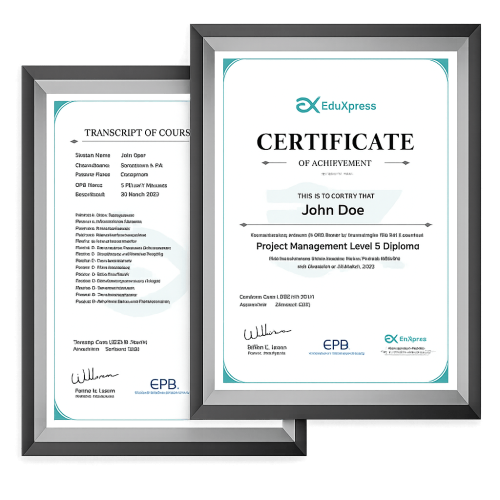
Upon successful completion of the final assessment, you will get a chance to order a CPD-accredited certificate confirming your achievement. This certificate is available in PDF as well as hard copy format, making it suitable for adding to your professional portfolio or CV.
Career Path
Frequently asked questions
Everything you need to know about the Dermaplaning: Advanced Skincare Techniques
1. What is dermaplaning and how does it benefit the skin?
Dermaplaning is a professional exfoliation technique using a sterile surgical blade to gently remove dead skin cells and peach fuzz. This advanced skincare treatment enhances skin texture, promotes cell renewal, and improves product absorption. Regular dermaplaning results in smoother, brighter, and more youthful-looking skin, ideal for those seeking a radiant complexion.
2. Is dermaplaning safe for all skin types?
Yes, dermaplaning is generally safe for most skin types, including sensitive and dry skin. However, individuals with active acne, rosacea, or skin infections should avoid this procedure. It’s essential to consult a certified skincare professional in your local area to ensure dermaplaning is suitable for your specific skin concerns.
3. How often should I get dermaplaning treatments?
For optimal results, dermaplaning treatments are recommended every 3 to 4 weeks. This frequency allows for complete skin cell turnover and maintains a smooth, glowing complexion. Scheduling regular sessions with a licensed esthetician ensures safe exfoliation and helps prevent irritation or over-exfoliation.
4. What should I expect during a dermaplaning session?
During a dermaplaning session, a trained professional uses a sterile blade to carefully exfoliate the skin’s surface. The procedure is painless and takes about 30 to 45 minutes. Post-treatment, clients typically experience immediate skin smoothness and enhanced radiance, with minimal downtime and no redness for most individuals.
5. Can dermaplaning help with acne scars and hyperpigmentation?
Dermaplaning can improve the appearance of mild acne scars and hyperpigmentation by promoting skin cell turnover and smoothing the skin surface. While it aids in enhancing overall skin texture, combining dermaplaning with other targeted treatments may be necessary for more significant scar reduction or pigmentation correction.
6. Are there any side effects or risks associated with dermaplaning?
Dermaplaning is a safe procedure with minimal risks when performed by a qualified professional. Possible side effects include slight redness or sensitivity immediately after treatment, which typically subsides within a few hours. Following post-care instructions helps minimize risks and ensures the best skincare results.
7. How should I prepare my skin before a dermaplaning treatment?
To prepare for dermaplaning, avoid using exfoliating products, retinoids, or chemical peels for at least 48 hours prior. Cleanse your skin thoroughly and avoid sun exposure to reduce sensitivity. Consulting with your esthetician about your skincare routine will help tailor the treatment safely and effectively.
8. What post-treatment care is recommended after dermaplaning?
After dermaplaning, it is vital to use gentle skincare products and apply broad-spectrum sunscreen daily to protect the newly exfoliated skin. Avoid harsh chemicals, excessive heat, and direct sun exposure for at least 48 hours. Proper post-care supports healing and maximizes the benefits of your dermaplaning session.
9. Can men benefit from dermaplaning treatments?
Absolutely, dermaplaning benefits men by removing vellus hair and dead skin, resulting in smoother skin and a closer shave. This advanced skincare technique helps reduce ingrown hairs and improves overall skin texture, making it an excellent option for men seeking enhanced grooming and skin rejuvenation.
10. How do I choose a certified professional for dermaplaning in my area?
Selecting a certified dermaplaning professional involves checking credentials, experience, and client reviews. Look for licensed estheticians or dermatologists with specialized training in advanced skincare techniques. Local skincare clinics or medical spas often provide trustworthy services, ensuring safe and effective dermaplaning treatments near you.