One classroom, thirty different learners and a lesson that needs to make sense to everyone. Primary teaching is where careful preparation meets the unpredictable, rewarding reality of helping children learn.
Picture a Year 3 classroom on a Monday morning. Some pupils are ready to race through their maths questions. Others need another explanation, a visual example or a little more confidence before they begin. Teaching effectively means recognising these differences without losing sight of the lesson’s purpose. The Primary Teaching Level 5 course introduces the knowledge behind planning, delivering and supporting learning throughout primary education, with attention to child development, professional responsibilities and the everyday decisions made in schools.
A good lesson begins long before pupils sit down. Teachers need to understand the curriculum, decide what children should learn and choose activities that build knowledge in a sensible sequence. This course looks at curriculum planning, lesson preparation and approaches to teaching English, maths and other core subjects. You’ll explore how explanations, questioning, examples and classroom resources can make unfamiliar ideas easier to understand, particularly when children arrive with different levels of prior knowledge.
Of course, learning rarely follows a perfectly tidy plan. A child may struggle with concentration, misunderstand instructions or need an adapted task. Another might have understood the concept but lack the confidence to answer aloud. You’ll examine behaviour management, positive classroom relationships, assessment and feedback alongside inclusive approaches for pupils with special educational needs and disabilities (SEND). The emphasis is on recognising barriers to learning and considering practical responses that help children participate and make progress.
Teaching also involves responsibilities beyond the lesson itself. Schools depend on safeguarding procedures, professional judgement, accurate communication and constructive relationships with families. The final module explores these expectations and the wider role of school staff in supporting children’s wellbeing. Whether you’re already working in education, considering teacher training or interested in classroom support, this course provides a structured understanding of primary teaching practices and the professional environment in which they operate.
What You’ll Learn to Put Into Action
- Understand primary school teaching roles and professional responsibilities.
- Recognise how child development influences learning and classroom participation.
- Plan structured lessons with clear objectives and learning activities.
- Explore effective approaches to teaching English, maths and core primary subjects.
- Understand positive behaviour strategies and supportive classroom environments.
- Use assessment, questioning and feedback to monitor pupil understanding.
- Recognise SEND needs and explore inclusive classroom adaptations.
- Understand safeguarding principles and professional conduct in primary schools.
- Explore effective communication and collaborative working with parents and carers.
Who Is This Course For?
- Aspiring primary school teachers exploring teaching and learning principles.
- Teaching assistants seeking a broader understanding of primary education.
- Learning support assistants working with children aged approximately 5 to 11.
- School support staff interested in curriculum planning and classroom practice.
- SEND teaching assistants and inclusion support workers.
- Learning mentors and pastoral support staff.
- Parents and home educators interested in primary learning approaches.
- Individuals considering initial teacher training or education apprenticeships.
- Education professionals seeking continuing professional development.
Career Path
Understanding primary teaching methods is useful in classroom support, pupil mentoring, inclusive education and further teacher training. Some learners may be exploring their first school-based role; others may already support pupils and want stronger curriculum or assessment knowledge. Progression depends on the position, school requirements, relevant experience and further qualifications. The following indicative UK annual salary ranges are based on related National Careers Service roles.
- Teaching Assistant: £19,000–£26,000 per year
- SEND Teaching Assistant: £19,000–£27,000 per year
- Learning Mentor: £21,000–£27,000 per year
- Primary School Teacher: £34,000–£53,000 per year
- SEND Teacher: £34,000–£53,000 per year
Why Choose Our Primary Teaching Level 5 Course?
- Instantly accessible CPD-accredited certificate.
- Recognised nationwide by UK employers.
- 24/7 access to the course material for lifetime.
- Study at your own pace.
- No hidden fees or exam charges.
- Efficient assessment and instant results.
- Full Tutor support on weekdays (Monday – Friday).
What the Course Covers
Module 01: Introduction to Primary Teaching and the Role of the Teacher
What does a primary teacher do beyond delivering lessons? This module introduces the professional, educational and pastoral responsibilities involved in primary schooling. You’ll examine the structure of primary education, classroom routines, professional relationships and the importance of a positive learning culture. It also considers teamwork, teacher expectations and how effective classroom practice supports children’s development and wellbeing.
Module 02: Child Development and Learning in Primary Education
Children do not develop at identical speeds, and their learning experiences reflect a combination of cognitive, emotional, physical and social changes. This module explores developmental principles relevant to primary-age pupils. You’ll consider attention, memory, language, friendships and motivation, alongside the influence of family and environment. The lessons connect developmental understanding with realistic classroom support and teaching decisions.
Module 03: Curriculum Planning and Effective Lesson Preparation
Effective lessons require more than an engaging activity. This module examines curriculum expectations, learning objectives, lesson sequencing and selecting suitable resources. You’ll explore how to connect new knowledge with earlier learning, plan explanations and make time for practice and assessment. The lessons also consider adapting preparation when pupils need additional support or greater challenge during classroom activities.
Module 04: Teaching English, Maths and Core Primary Subjects
Primary teachers help children build the foundations for reading, writing, mathematical reasoning and wider subject knowledge. This module introduces approaches to English, maths and other core curriculum areas, including science. You’ll consider modelling, explanation, questioning and practical learning resources. The lessons emphasise progression, identifying misconceptions and creating opportunities for pupils to practise and apply their understanding.
Module 05: Classroom Management, Behaviour and Positive Learning Environments
A settled classroom gives pupils more opportunities to concentrate, participate and learn. This module explores routines, clear expectations, positive relationships and approaches to behaviour support. You’ll consider transitions, classroom organisation and responses to disruption that reflect individual needs. The lessons also examine emotional safety, consistency and creating an environment where children feel respected, supported and ready to contribute.
Module 06: Assessment, Feedback and Monitoring Pupil Progress
How can teachers tell whether pupils have genuinely understood a lesson? This module explores formative and summative assessment, purposeful questioning and reviewing learning evidence. You’ll consider observation, feedback, identifying misconceptions and monitoring progress over time. The lessons examine how assessment information can shape future teaching while avoiding unnecessary testing or recording that adds little educational value.
Module 07: Supporting SEND, Inclusion and Diverse Learning Needs
Inclusive teaching recognises that pupils may need different forms of support to access the same learning opportunities. This module introduces special educational needs and disabilities, barriers to participation and appropriate classroom adaptations. You’ll explore accessible communication, supportive resources and collaboration with school staff. The lessons emphasise maintaining ambitious expectations while responding thoughtfully to individual strengths and needs.
Module 08: Safeguarding, Professional Practice and Working with Families
Schools have responsibilities that extend beyond academic achievement. This module explores safeguarding awareness, professional conduct, confidentiality and constructive communication with parents and carers. You’ll consider recognising concerns, following reporting procedures and maintaining appropriate boundaries. The lessons also examine how working relationships between school staff, families and relevant professionals contribute to children’s safety, wellbeing and educational progress.
Accreditation & Recognition
This Primary Teaching Level 5 course is designed around principles of primary education, child development, curriculum planning, inclusive teaching and professional school practice, supporting continuing professional development in education and classroom support.
- Earn a CPD-style certificate of completion (where applicable).
- 100% online, self-paced study with lifetime access.
- Includes online multiple-choice assessment and knowledge checks.
- Optional digital certificate (printed version available for £24.99).
- Supports professional development in primary teaching and classroom support.
Assessment & Certification: Primary Teaching Level 5
Your understanding is assessed through an online multiple-choice assessment covering the role of the primary teacher, child development, curriculum planning, lesson preparation, English and maths teaching, classroom management, pupil assessment, SEND inclusion, safeguarding and professional communication.
Questions use realistic primary classroom situations. You may be asked to recognise a suitable learning objective, select an approach to support a pupil’s understanding, interpret assessment information, identify an inclusive classroom adjustment or determine how a safeguarding concern should be reported.
An optional reflective development portfolio can extend your learning through sample lesson plans, a classroom routine outline, formative assessment examples, differentiated learning activities and reflections on family communication and safeguarding responsibilities. These activities help connect the course concepts with practical educational situations.
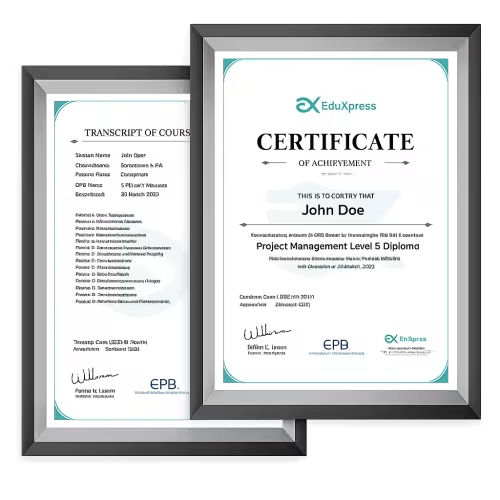
After successful completion, you can order a digital certificate recording your achievement and continuing professional development in primary teaching knowledge. An optional printed certificate is available for £24.99.
Frequently Asked Questions
What is the Primary Teaching Level 5 course?
What does Level 5 mean in primary teaching?
How do I become a primary school teacher in the UK?
Can I become a primary teacher without a degree?
Can I teach in a primary school without QTS?
Is Primary Teaching Level 5 the same as a PGCE?
What qualifications are needed for primary teacher training in England?
How much does a primary school teacher earn in the UK?
What is the difference between a primary teacher and teaching assistant?
Can this course help teaching assistants improve their skills?
What age group is primary education in the UK?
What subjects do primary school teachers teach?
What is the National Curriculum for primary schools?
How do you write an effective primary school lesson plan?
What makes a good primary school teacher?
How does child development affect teaching methods?
How can teachers make primary English lessons more effective?
How should maths be taught in primary schools?
What are effective behaviour management strategies for primary schools?
How do you create a positive learning environment?
What is formative assessment in primary teaching?
What is the difference between formative and summative assessment?
How do teachers monitor pupil progress?
What is SEND in primary education?
How can primary teachers support pupils with SEND?
What is differentiation in primary teaching?
What are the safeguarding responsibilities of primary school staff?
Do primary school teachers need a DBS check?
Why is communication with parents important in primary education?
Can I study Primary Teaching Level 5 online?
Will I receive a certificate after completing Primary Teaching Level 5?
Curriculum
- 1 Section
- 8 Lessons
- Lifetime
- Primary Teaching Level 58 Items
- 1.1Module 01: Introduction to Primary Teaching and the Role of the Teacher
- 1.2Module 02: Child Development and Learning in Primary Education
- 1.3Module 03: Curriculum Planning and Effective Lesson Preparation
- 1.4Module 04: Teaching English, Maths and Core Primary Subjects
- 1.5Module 05: Classroom Management, Behaviour and Positive Learning Environments
- 1.6Module 06: Assessment, Feedback and Monitoring Pupil Progress
- 1.7Module 07: Supporting SEND, Inclusion and Diverse Learning Needs
- 1.8Module 08: Safeguarding, Professional Practice and Working with Families