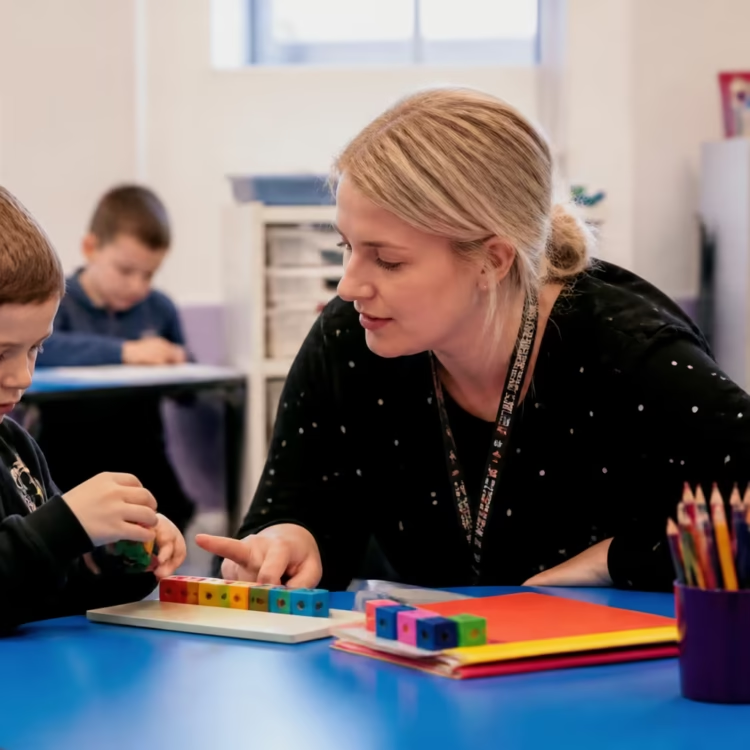



Create a rewarding learning experience that celebrates your child’s individual interests, abilities and potential. Explore home education principles, UK legal responsibilities, flexible teaching methods and practical assessment approaches with our comprehensive Home Education & Homeschooling course.
Course Overview
Home education offers families the opportunity to create personalised learning experiences that reflect a child’s abilities, interests, educational needs and preferred learning approaches. Across the United Kingdom, parents may choose to educate their children outside conventional school settings, using a range of teaching philosophies, learning resources and everyday educational experiences. Our Home Education & Homeschooling course introduces the principles, responsibilities and practical approaches associated with educating children at home. Designed for parents, carers, home educators, tutors and individuals interested in alternative education, this flexible online course supports professional and personal development in educational planning, child-centred teaching and learning assessment. Explore how meaningful educational activities can encourage curiosity, independence, confidence and lifelong learning.
Begin with an introduction to elective home education, including common motivations, educational responsibilities and the importance of understanding current UK guidance. Explore the legal framework governing homeschooling, school withdrawal arrangements and the role of local authorities, recognising the differences between England, Wales, Scotland and Northern Ireland. Examine the potential advantages and challenges of home education, from individualised learning and flexible schedules to resource planning, social opportunities and maintaining educational consistency. Progress through a variety of homeschooling methods, including structured instruction, child-led education, project-based learning, blended approaches and practical learning experiences. The course also considers adapting activities to individual learning needs, selecting suitable resources and supporting children’s social, emotional and educational development.
How can parents create an engaging home learning environment, balance structure with flexibility and assess progress in ways that suit their child’s development? Discover practical approaches to educational planning, communication, learning activities and meaningful assessment. Enrol online to build your understanding of home education, explore effective homeschooling techniques and develop greater confidence in supporting children’s learning. With seven structured modules, this course offers a foundation for informed educational choices, personalised teaching approaches and continued development in family learning, tutoring and educational support.
What You’ll Learn to Put Into Action
- Understand the principles of home education and the responsibilities associated with supporting children’s learning outside school.
- Explore UK homeschooling requirements, local authority guidance and the arrangements involved in withdrawing children from school.
- Evaluate the advantages and challenges of home education to make informed educational decisions.
- Understand structured homeschooling approaches and how to create practical, flexible learning plans.
- Explore child-led, project-based, experiential and alternative teaching methods suited to different learning preferences.
- Develop awareness of digital learning resources, educational activities and ways to support individual learning needs.
- Recognise the importance of social development, emotional wellbeing, motivation and balanced learning experiences.
- Explore assessment methods, learning portfolios, observation and progress reviews to support ongoing educational development.
Who Is This Course For?
- Parents considering home education and seeking a clearer understanding of educational responsibilities and teaching methods.
- Families already homeschooling who wish to explore additional learning approaches and assessment strategies.
- Carers and guardians interested in supporting personalised education and children’s development.
- Private tutors and educational support professionals seeking greater awareness of home-based learning.
- Teaching assistants, education students and individuals interested in alternative approaches to children’s education.
Career Path
Knowledge of home education and homeschooling methods can support parents in their educational responsibilities while complementing professional interests in tutoring, educational support and child development. Understanding learning styles, lesson planning, educational resources and progress assessment is relevant to individuals who work with children in different learning environments. Parents may apply these concepts directly to their own family learning arrangements, while education professionals can use related knowledge to support personalised instruction, flexible educational activities and positive communication with learners.
Individuals interested in education careers can build on these foundations through practical experience, further training and recognised qualifications appropriate to their chosen roles. Related opportunities include teaching assistance, special educational needs support, learning mentoring, family support and school teaching. Self-employed tutoring may also offer opportunities to apply subject knowledge and personalised learning approaches, with income depending on services, demand and experience. The following indicative UK annual salary ranges illustrate employed education and family support career pathways where knowledge of children’s learning and development can be valuable.
- Teaching Assistant: Approximately £19,000–£26,000 per year, depending on working arrangements and experience.
- SEN Teaching Assistant: Approximately £19,000–£27,000 per year, with relevant support skills and experience.
- Learning Mentor: Approximately £21,000–£27,000 per year, with suitable learning support experience.
- Education Welfare Officer: Approximately £24,000–£32,000 per year, with relevant education and family support experience.
- Family Support Worker: Approximately £24,000–£36,000 per year, with suitable professional training and experience.
- Primary School Teacher: Approximately £34,000–£53,000 per year, following appropriate teacher education and professional qualification.
Why Choose Our Home Education & Homeschooling Course?
- Structured seven-module learning covering homeschooling principles, legal responsibilities and practical teaching approaches.
- 100% online, flexible and self-paced learning.
- Explore different homeschooling methods, individualised learning plans and educational resources.
- Develop knowledge of child-centred learning, educational assessment and supporting progress at home.
- Online multiple-choice assessment or written assignment to evaluate learning.
- Certificate options available following successful course completion.
What the Course Covers
Module 01. Introduction to Home Education
Module 02. Formal Requirements for Homeschooling
Module 03. Advantages and Disadvantages of Home Education
Module 04. Methods of Homeschooling (Part – A)
Module 05. Methods of Homeschooling (Part – B)
Module 06. Methods of Homeschooling (Part – C)
Module 07. Assessment of Home Education
Accreditation & Recognition
Our Home Education & Homeschooling course supports structured continuing professional development and personal learning in educational planning, teaching methods, child-centred learning and progress assessment. The curriculum introduces practical concepts relevant to parents, carers, home educators and individuals interested in educational support. Learning is evaluated through an online multiple-choice assessment or written assignment, offering an opportunity to demonstrate understanding of key home education principles. Course-specific accreditation and recognition information can be confirmed through EduXpress’s approved certification details.
- Structured online learning supporting knowledge development in homeschooling and personalised education.
- Develops understanding of home learning approaches, legal responsibilities, educational planning and assessment.
- Digital EduXpress course certificate available after successful completion.
- Optional printed certificate available for £24.99.
Assessment & Certification: Home Education & Homeschooling
Your understanding is assessed through an online multiple-choice assessment or written assignment covering home education principles, parental educational responsibilities, UK homeschooling guidance, school withdrawal arrangements, the advantages and challenges of home-based education, structured teaching, child-led learning, project-based approaches, blended methods, individual educational needs and progress assessment. The assessment provides an opportunity to demonstrate knowledge of home education concepts and practical approaches to supporting children’s learning. Successful completion can contribute to your personal learning record and ongoing educational development.
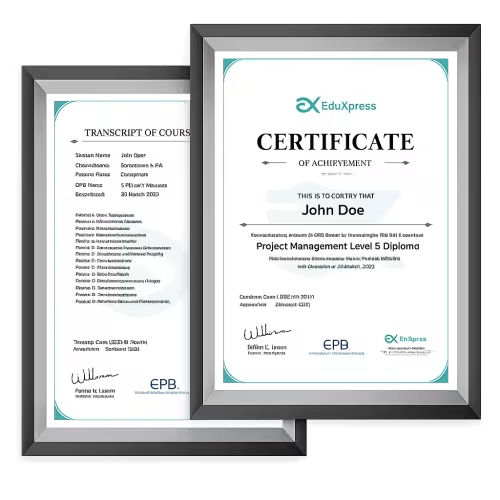
Following successful completion, you can order an EduXpress digital course certificate documenting your achievement in Home Education & Homeschooling. An optional printed certificate is available for £24.99. Your certificate recognises your commitment to learning about personalised education, homeschooling methods, educational responsibilities and child development. It can form part of your personal or professional development portfolio alongside practical educational experience and further training.
Frequently Asked Questions
Is homeschooling legal in the UK, and what responsibilities do parents have?
How do you withdraw a child from school to start homeschooling?
Do home-educated children have to follow the National Curriculum?
Do parents need teaching qualifications to homeschool their children?
How many hours a day should a homeschooled child study?
Can children with special educational needs or disabilities be homeschooled?
How can homeschooled children develop friendships and social skills?
What are the best homeschooling methods for different learning styles?
How do you assess a homeschooled child’s educational progress?
Can homeschooled children take GCSEs and A Levels as private candidates?
Curriculum
- 1 Section
- 8 Lessons
- Lifetime
- Home Education & Homeschooling8 Items
- 1.1Module 01. Introduction to Home Education11 Minutes
- 1.2Module 02. Formal Requirements for Homeschooling20 Minutes
- 1.3Module 03. Advantages and Disadvantages of Home Education14 Minutes
- 1.4Module 04. Methods of Homeschooling (Part – A)20 Minutes
- 1.5Module 05. Methods of Homeschooling (Part – B)18 Minutes
- 1.6Module 06. Methods of Homeschooling (Part – C)10 Minutes
- 1.7Module 07. Assessment of Home Education17 Minutes
- 1.8Order Your Certificate!