Early Childhood Mental Health: Strategies and Interventions
By 2026, over 20% of young children in the UK face mental health challenges impacting their development and wellbeing. That gap has a direct impact on care quality – and for the people depending on well-trained professionals, it is not a gap they can afford. The Early Childhood Mental Health: Strategies and Interventions course from EduXpress is built for UK health and care professionals who are ready to move from awareness to genuine expertise – a fully CPD-accredited, online programme that delivers the structured knowledge sector standards demand and employers recognise.
This course covers essential topics such as brain development, attachment theory, common mental health issues, and intervention strategies. Learners will build knowledge and confidence to apply practical approaches in early years settings and family support.
Flexible online CPD learning allows you to study at your own pace with full tutor support. The course includes an assessment and the option to obtain a CPD-accredited certificate to enhance your professional profile.
Learning Outcomes of Early Childhood Mental Health: Strategies and Interventions
Upon completion of this Early Childhood Mental Health: Strategies and Interventions from EduXpress, learners will be able to:
Why Choose Our Early Childhood Mental Health: Strategies and Interventions Course?
Who is This Early Childhood Mental Health: Strategies and Interventions For?
Certification: Early Childhood Mental Health: Strategies and Interventions
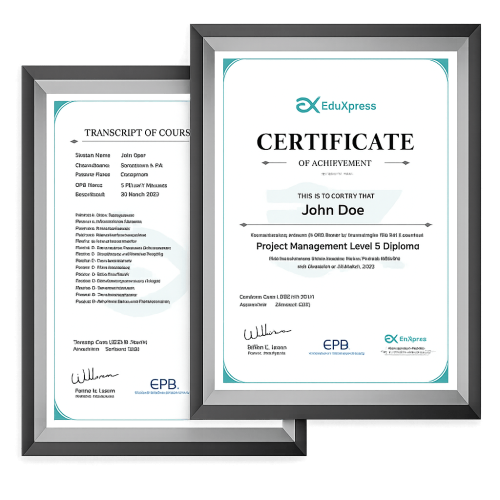
Upon successful completion of the final assessment, you will get a chance to order a CPD-accredited certificate confirming your achievement. This certificate is available in PDF as well as hard copy format, making it suitable for adding to your professional portfolio or CV.
Career Path
Frequently asked questions
Everything you need to know about the Early Childhood Mental Health: Strategies and Interventions
1. What is early childhood mental health and why is it important?
Early childhood mental health refers to the social, emotional, and psychological well-being of children from birth to age five. It is important because healthy early development sets the foundation for lifelong learning, behavior, and mental wellness. Addressing mental health early helps prevent future emotional and behavioral challenges in children.
2. What strategies can support early childhood mental health?
Effective strategies for supporting early childhood mental health include creating nurturing environments, promoting secure attachments, and using positive behavior interventions. Educators and caregivers can also implement social-emotional learning activities and early screening to identify and address mental health needs promptly.
3. How can caregivers identify signs of mental health issues in young children?
Caregivers can recognize early childhood mental health issues by observing changes in behavior, mood, sleep, or social interactions. Persistent irritability, withdrawal, or difficulty regulating emotions may signal concerns. Early identification through careful observation and professional consultation ensures timely intervention and support.
4. What types of interventions are effective for early childhood mental health?
Effective interventions include play therapy, parent-child interaction therapy, and behavioral support tailored to young children’s developmental stages. Interventions focus on enhancing emotional regulation, social skills, and family engagement to foster resilience and positive mental health outcomes in early childhood.
5. How does early childhood mental health impact school readiness?
Early childhood mental health significantly impacts school readiness by influencing a child’s ability to concentrate, interact socially, and manage emotions. Positive mental health supports cognitive development and learning skills essential for academic success, making early mental health care a critical component of preparing children for school.
6. Who can benefit from this course on early childhood mental health?
This course is ideal for early childhood educators, childcare providers, mental health professionals, and parents seeking evidence-based strategies and interventions. It equips learners with practical skills to promote mental well-being and effectively support young children’s emotional and behavioral development.
7. Are there cultural considerations in early childhood mental health interventions?
Yes, culturally responsive interventions respect family values, traditions, and communication styles. Understanding cultural context enhances engagement and effectiveness of mental health strategies. This course emphasizes culturally sensitive approaches to support diverse families and communities in promoting early childhood mental health.
8. How long does the course on early childhood mental health take to complete?
The course typically takes 4 to 6 hours to complete, depending on the learner’s pace. It includes interactive modules, case studies, and assessments designed to deepen understanding of mental health strategies and practical interventions for young children and their families.
9. Can this course help with professional certification in early childhood education?
Yes, this course provides continuing education credits and professional development hours recognized by many early childhood education boards. It enhances knowledge and competencies in mental health, supporting educators’ career advancement and improving quality care for children.
10. What resources are provided to support learning in this course?
Learners receive comprehensive resources including downloadable guides, evidence-based research articles, video demonstrations, and practical toolkits. These materials support the application of strategies and interventions in real-world early childhood settings to promote mental health effectively.
Curriculum
- 3 Sections
- 0 Lessons
- Lifetime
- Early Childhood Mental Health: Strategies and Interventions0 Items
- Order Your Certificate!0 Items
- Leave a Review!0 Items