Before you sign the deal, know the rules that shape it. From business contracts and company decisions to consumer rights and international trade, gain the legal awareness to spot potential risks, protect commercial interests and make more informed business decisions.
A supplier offers an attractive contract, but the payment terms are unclear and the cancellation clause could create unexpected costs. Would you know which questions to ask before signing? The Certified Business and Commercial Law Programme introduces the legal principles behind everyday commercial decisions, helping you understand contracts, business responsibilities and the risks organisations need to manage.
Running a business involves more than selling products or managing employees. Companies must understand their legal structure, contractual obligations and responsibilities towards workers and customers. You’ll explore business formation, employment law, intellectual property and consumer protection. The course also examines commercial agreements, business liability and the importance of keeping reliable records when making significant decisions.
Financial and commercial activities introduce further legal considerations. You’ll examine business taxation, financial compliance, banking arrangements and securities law, alongside dispute resolution and commercial litigation. The course also explores international trade and competition law, helping you recognise why cross-border agreements, pricing practices and relationships with competitors require careful attention to relevant legislation.
Modern businesses increasingly operate through websites, digital platforms and international markets. The final modules introduce e-commerce regulation, data protection considerations, corporate ethics and emerging legal developments. Whether you’re managing a business, supporting commercial administration or exploring a legal career, this programme offers a structured understanding of business law and how legal responsibilities influence commercial decisions.
What You’ll Learn to Put Into Action
- Understand the foundations of UK business and commercial law.
- Recognise essential contract terms, obligations and potential disputes.
- Explore company formation, governance and directors’ responsibilities.
- Understand employment law and workplace compliance principles.
- Recognise intellectual property rights and business protection measures.
- Explore consumer protection, commercial liability and transaction risks.
- Understand business taxation, banking and financial compliance considerations.
- Recognise competition law and international trade responsibilities.
- Explore e-commerce regulation, dispute resolution and business ethics.
Who Is This Course For?
- Aspiring entrepreneurs preparing to establish their own businesses.
- Business owners seeking stronger commercial legal knowledge.
- Managers responsible for contracts and operational compliance.
- Administrative professionals supporting commercial and legal documentation.
- Junior legal assistants exploring business law principles.
- Human resources professionals interested in workplace regulations.
- Procurement assistants involved in supplier agreements and contracts.
- Finance administrators seeking broader regulatory compliance awareness.
- E-commerce operators managing online business and consumer obligations.
- Individuals interested in corporate governance and commercial law.
Career Path
Business and commercial law knowledge is useful across legal administration, corporate governance, human resources, procurement, compliance and business management. Entry-level employees may assist with legal documents, company records, contractual correspondence or workplace policies. With relevant experience and further professional development, career opportunities may extend into paralegal work, business advice or corporate governance. The following are indicative UK annual salary ranges for related roles.
- Paralegal / Legal Assistant: £20,000–£40,000 per year.
- Legal Secretary: £24,000–£40,000 per year.
- Human Resources Officer: £24,000–£40,000 per year.
- Business Adviser: £27,000–£65,000 per year.
- Company Secretary / Governance Officer: £28,000–£95,000 per year.
What the Course Covers
Module 01: Introduction to Business & Commercial Law
Business and commercial law provides the legal framework within which organisations operate, enter agreements and manage commercial relationships. This module introduces the UK legal system, sources of law and the relationship between legislation, regulations and court decisions. You’ll explore business rights, obligations and legal risk. The lessons also examine how legal principles affect routine business transactions and organisational decision-making.
Module 02: Contract Law in Business
Contracts establish enforceable obligations between parties and play an important role in business relationships. This module introduces contract formation, offer and acceptance, consideration, intention to create legal relations and contractual terms. You’ll explore breach of contract, available remedies and common contractual risks. The lessons also consider the importance of reviewing agreements carefully and understanding obligations before commitments are made.
Module 03: Corporate Law and Company Formation
Corporate law governs how companies are formed, structured and managed. This module introduces sole traders, partnerships, limited companies and the concept of separate legal personality. You’ll explore Companies House registration, directors’ duties, shareholders and company governance. The lessons also consider statutory records, financial reporting responsibilities and the importance of understanding the legal consequences of choosing a particular business structure.
Module 04: Employment Law & Workplace Regulations
Employment law establishes important rights and responsibilities within workplace relationships. This module introduces employment contracts, worker status, pay, working time, discrimination and workplace procedures. You’ll explore recruitment considerations, leave entitlements and handling workplace concerns. The lessons also examine dismissal, disciplinary processes and the importance of monitoring legislative developments, including changes introduced through the Employment Rights Act 2025.
Module 05: Intellectual Property Law (IP) for Businesses
Intellectual property law helps protect certain creative works, inventions, brands and commercial assets. This module introduces copyright, trade marks, patents and design rights, explaining their different purposes. You’ll explore ownership, licensing and infringement awareness. The lessons also consider the use of third-party materials, commercial branding and the importance of checking whether appropriate permission or protection is required.
Module 06: Consumer Protection & Business Liability
Consumer protection law establishes standards for how businesses sell goods, services and digital content. This module introduces consumer rights, misleading commercial practices, product information and business liability. You’ll explore the Consumer Rights Act 2015 and relevant provisions of the Digital Markets, Competition and Consumers Act 2024. The lessons also consider complaints, remedies, transparent marketing and managing risks associated with commercial promises.
Module 07: Commercial Contracts and Transactions
Commercial transactions involve agreements that define how businesses exchange goods, services, information and payments. This module introduces supplier contracts, service agreements, purchasing terms and commercial negotiations. You’ll explore obligations, delivery provisions, warranties, termination clauses and liability arrangements. The lessons also consider due diligence, record keeping and identifying contractual terms that may require clarification or specialist legal review before signing.
Module 08: Business Taxation and Financial Compliance
Businesses must understand their tax obligations and maintain suitable financial records. This module introduces Corporation Tax, Value Added Tax, PAYE and relevant business reporting responsibilities. You’ll explore financial record keeping, compliance procedures and the distinction between lawful tax planning and non-compliance. The lessons also consider organisational accountability, reporting deadlines and the value of professional accountancy advice.
Module 09: Banking, Finance, and Securities Law
Financial regulation affects how businesses borrow, raise capital, handle payments and interact with financial institutions. This module introduces banking relationships, business finance, securities concepts and regulatory oversight. You’ll explore the roles of relevant UK financial authorities, financial risk and compliance considerations. The lessons also examine the importance of recognising when specialist advice is necessary for regulated financial activities or investment arrangements.
Module 10: Dispute Resolution and Commercial Litigation
Commercial disputes can arise from unpaid invoices, unclear agreements, delivery failures and disagreements over contractual responsibilities. This module introduces negotiation, mediation, arbitration and court proceedings. You’ll explore the advantages and limitations of different resolution methods. The lessons also consider gathering evidence, keeping appropriate records, responding to disputes professionally and understanding when formal legal representation may be needed.
Module 11: International Trade Law and Business Regulations
International trade introduces legal considerations that extend beyond domestic commercial arrangements. This module introduces importing, exporting, customs responsibilities, international contracts and relevant trade restrictions. You’ll explore the role of trade agreements, product standards and contractual delivery terms. The lessons also consider sanctions compliance, cross-border disputes and the importance of checking jurisdiction-specific requirements before entering international markets.
Module 12: Competition Law and Antitrust Regulations
Competition law aims to protect competitive markets and restrict certain harmful business practices. This module introduces the Competition Act 1998, anti-competitive agreements, cartels and abuse of dominance. You’ll explore risks involving price fixing, market sharing, bid rigging and inappropriate exchanges of commercially sensitive information. The lessons also consider the Competition and Markets Authority and the importance of fair business conduct.
Module 13: E-Commerce Law and Digital Business Regulations
Online businesses must consider consumer information, digital contracts, privacy and electronic trading requirements. This module introduces e-commerce law, website terms, online purchasing rights and digital business responsibilities. You’ll explore data protection, relevant electronic marketing rules and transparency in online transactions. The lessons also consider refunds, customer information, digital advertising and handling personal information responsibly.
Module 14: Business Ethics and Corporate Social Responsibility
Responsible business management involves considering legal duties alongside wider ethical and social expectations. This module introduces corporate ethics, conflicts of interest, transparency and corporate social responsibility. You’ll explore ethical decision-making, fair treatment, environmental considerations and responsible supply chain practices. The lessons also examine organisational culture, governance and distinguishing voluntary ethical commitments from legally enforceable obligations.
Module 15: Future Trends in Business & Commercial Law
Commercial law continues to evolve as technology, regulation and business practices change. This final module introduces emerging developments involving artificial intelligence, digital commerce, data governance and corporate accountability. You’ll explore how changing legislation may affect contracts, employment and consumer relationships. The lessons also consider monitoring regulatory updates, assessing new legal risks and maintaining informed, adaptable business practices.
Accreditation & Recognition
The Certified Business and Commercial Law Programme introduces UK business law, commercial contracts, company formation, employment regulations, intellectual property, consumer protection, finance, dispute resolution and corporate governance. It supports continuing professional development for individuals interested in commercial administration, business compliance, legal support and responsible organisational management.
- Earn a CPD-style certificate of completion (where applicable).
- 100% online, self-paced study with lifetime access.
- Includes online multiple-choice assessment and knowledge checks.
- Optional digital certificate (printed version available for £24.99).
- Supports professional development in business law awareness, commercial governance and compliance.
Assessment & Certification: Certified Business and Commercial Law Programme
Your understanding is assessed through an online multiple-choice assessment covering business and commercial law, contracts, company formation, employment regulations, intellectual property, consumer protection, commercial transactions, business taxation, financial regulation, dispute resolution, international trade, competition law, e-commerce, corporate ethics and emerging legal developments.
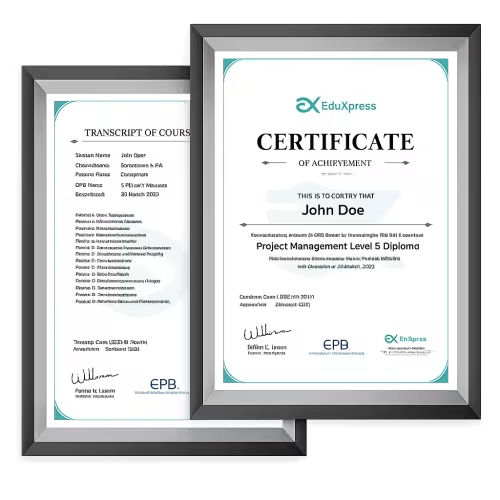
After successful completion, you can order a digital certificate documenting your learning in business law, commercial regulations, contracts and corporate governance principles. An optional printed certificate is available for £24.99.
Frequently Asked Questions
What is business and commercial law?
What is the difference between business law and commercial law?
What will I learn in the Certified Business and Commercial Law Programme?
Is this business law programme suitable for beginners?
Do I need previous legal knowledge to study business law?
Why is commercial law important for small businesses?
What makes a business contract legally binding in England and Wales?
Can a verbal agreement be legally binding?
What is a breach of contract in business?
What is the difference between a warranty and an indemnity?
What are limitation of liability clauses in commercial contracts?
What is the difference between a sole trader and a limited company?
How do you register a limited company in the UK?
What are company directors’ legal responsibilities?
What is corporate governance?
What is Companies House identity verification?
What rights does UK employment law provide to workers?
What is the difference between an employee, a worker and a self-employed contractor?
What is the Employment Rights Act 2025?
What is intellectual property in business?
What is the difference between copyright, trade marks and patents?
Does registering a company name automatically protect it as a trade mark?
What rights do consumers have when buying goods or services?
What is the Digital Markets, Competition and Consumers Act 2024?
Can a business refuse every refund by stating ‘no refunds’?
What is commercial liability?
Why is due diligence important before signing a commercial agreement?
What taxes should a UK limited company understand?
What is the difference between Corporation Tax and VAT?
What is financial regulatory compliance?
What is securities law?
What are the main methods of resolving commercial disputes?
What is the difference between mediation and arbitration?
What is commercial litigation?
What laws affect businesses importing and exporting goods?
What are Incoterms in international commercial contracts?
What is competition law in the UK?
What is price fixing and why is it illegal?
What is the Competition and Markets Authority (CMA)?
What legal requirements apply to e-commerce businesses in the UK?
Are electronic signatures legally valid in UK business contracts?
How does UK GDPR affect online businesses?
Do online businesses need permission to send promotional emails?
What is corporate social responsibility (CSR)?
What is a conflict of interest in business?
How is artificial intelligence changing commercial law?
Can I work as a paralegal without a law degree?
How much does a paralegal earn in the UK?
Can this business law programme qualify me to become a solicitor?
Can I study the Certified Business and Commercial Law Programme online while working?
Will I receive a certificate after completing this business law programme?
Curriculum
- 1 Section
- 15 Lessons
- Lifetime
- Certified Business and Commercial Law Programme15 Items
- 1.1Module 01: Introduction to Business & Commercial Law
- 1.2Module 02: Contract Law in Business
- 1.3Module 03: Corporate Law and Company Formation
- 1.4Module 04: Employment Law & Workplace Regulations
- 1.5Module 05: Intellectual Property Law (IP) for Businesses
- 1.6Module 06: Consumer Protection & Business Liability
- 1.7Module 07: Commercial Contracts and Transactions
- 1.8Module 08: Business Taxation and Financial Compliance
- 1.9Module 09: Banking, Finance, and Securities Law
- 1.10Module 10: Dispute Resolution and Commercial Litigation
- 1.11Module 11: International Trade Law and Business Regulations
- 1.12Module 12: Competition Law and Antitrust Regulations
- 1.13Module 13: E-Commerce Law and Digital Business Regulations
- 1.14Module 14: Business Ethics and Corporate Social Responsibility
- 1.15Module 15: Future Trends in Business & Commercial Law