Getting attention on social media is one thing. Turning that attention into meaningful engagement, customer relationships and measurable business results takes a strategy.
A business publishes regularly on Instagram and Facebook, but its engagement remains inconsistent and advertising costs continue rising. The Advanced Diploma in Social Media Marketing explores how marketers connect audience research, content planning and paid campaigns with measurable business objectives. You’ll examine the decisions behind effective social media strategies rather than relying on posting frequency alone.
Successful campaigns begin with understanding who you want to reach and why they might respond. You’ll explore audience segmentation, buyer personas, competitor research and brand positioning before moving into content calendars and campaign planning. The course examines how different messages, formats and creative approaches can support awareness, engagement, enquiries and customer acquisition.
Each social platform provides different opportunities for reaching and communicating with audiences. You’ll examine Facebook, Instagram, LinkedIn and TikTok strategies alongside paid advertising, targeting and budget management. The course also introduces influencer collaborations, community engagement and responsible promotional practices, helping you consider both creative opportunities and the responsibilities involved in advertising.
Campaign performance becomes more useful when you understand what the numbers mean. The final modules explore analytics, conversion metrics, advertising efficiency and ongoing optimisation. You’ll consider how to evaluate results, communicate findings and build realistic growth plans. Whether you’re developing a marketing career or improving business campaigns, this course introduces an integrated approach to social media marketing.
What You’ll Learn to Put Into Action
- Develop social media strategies aligned with business objectives.
- Research target audiences, customer segments and buyer personas.
- Plan branded content, publishing calendars and marketing campaigns.
- Understand Facebook, Instagram, LinkedIn and TikTok marketing approaches.
- Explore paid advertising, audience targeting and budget allocation.
- Understand influencer partnerships, community management and audience engagement.
- Measure reach, engagement, conversions and advertising performance.
- Use campaign insights to guide testing and optimisation.
- Prepare social media reports and longer-term growth strategies.
Who Is This Course For?
- Aspiring social media marketers and digital marketing professionals.
- Marketing assistants and campaign coordinators.
- Business owners managing social media promotion.
- Freelancers offering digital marketing services.
- Content creators interested in professional marketing strategies.
- Social media managers seeking broader strategic knowledge.
- Advertising professionals exploring paid social campaigns.
- Communications and public relations employees.
- Entrepreneurs developing online brands and customer communities.
- Individuals preparing for marketing and advertising careers.
- Professionals seeking continuing development in digital marketing.
Career Path
Social media marketing skills are relevant to advertising agencies, e-commerce businesses, retailers, professional services, charities and corporate marketing departments. Entry-level roles may involve preparing content, supporting campaigns, monitoring engagement and maintaining marketing reports. With experience and further professional development, opportunities can extend into paid media management, audience strategy, brand communications and senior social media leadership.
- Digital Marketing Executive: £23,000–£50,000 per year.
- Social Media Manager: £25,000–£50,000 per year.
- Advertising Account Executive: £24,000–£40,000 per year.
- Advertising Account Planner: £27,000–£55,000 per year.
- Public Relations Officer: £22,000–£40,000 per year.
Why Choose Our Advanced Diploma in Social Media Marketing Course?
- Structured learning covering organic and paid social media marketing.
- Relevant knowledge of major social platforms and campaign planning.
- 100% online, self-paced learning with lifetime access.
- Explore content strategy, advertising, influencers and analytics.
- Understand UK advertising transparency and audience privacy responsibilities.
- Online knowledge checks and multiple-choice assessment.
- Certificate options to support continuing professional development.
What the Course Covers
Module 01: Introduction to Social Media Marketing Strategy
Social media marketing involves using digital platforms to build awareness, communicate with audiences and support business objectives. This module introduces strategic planning, marketing funnels and the relationship between organic and paid activity. You’ll explore setting campaign objectives, selecting suitable channels and understanding customer journeys. The lessons also consider brand consistency, responsible marketing and measuring progress against relevant goals.
Module 02: Audience Research, Segmentation and Buyer Personas
Effective social media campaigns begin with understanding the people a business wants to reach. This module introduces audience research, market segmentation, customer needs and buyer personas. You’ll explore demographic, behavioural and interest-based insights, alongside competitor analysis and social listening. The lessons also consider customer motivations, data quality, privacy responsibilities and avoiding unsupported assumptions about particular audience groups.
Module 03: Content Planning, Branding and Social Media Campaigns
Consistent branding and relevant content help audiences recognise and understand a business. This module introduces content pillars, brand voice, campaign themes and editorial calendars. You’ll explore short-form video, visual posts, storytelling, calls to action and content scheduling. The lessons also consider creative consistency, accessibility, copyright responsibilities and developing content that supports different stages of the customer journey.
Module 04: Facebook, Instagram, LinkedIn, TikTok and Platform Strategies
Different social media platforms attract different audience behaviours and support different content experiences. This module explores Facebook, Instagram, LinkedIn and TikTok marketing strategies, including community content, professional networking and short-form video. You’ll consider selecting platforms according to business objectives, using appropriate formats and adapting messages. The lessons also examine platform-specific engagement, content discovery and performance evaluation.
Module 05: Paid Social Advertising, Targeting and Budget Management
Paid social advertising allows organisations to promote content and campaigns to selected audiences through advertising platforms. This module introduces campaign objectives, audience targeting, creative testing, bidding concepts and budget allocation. You’ll explore impressions, clicks, conversions, acquisition costs and return on advertising spend. The lessons also consider advertising policies, lawful data use and making budget decisions from reliable performance evidence.
Module 06: Influencer Marketing, Community Building and Engagement
Influencer partnerships and community interaction can help brands build relevant connections with audiences. This module introduces creator selection, partnership objectives, campaign briefs, user-generated content and community management. You’ll explore engagement strategies, responding to customer feedback and measuring collaboration performance. The lessons also consider transparent advertising disclosures, contractual expectations and protecting brand reputation through responsible communication.
Module 07: Social Media Analytics, KPIs and Campaign Optimisation
Social media analytics helps marketers evaluate performance and identify opportunities for improvement. This module introduces key performance indicators, campaign dashboards, engagement measurements and conversion reporting. You’ll explore click-through rates, acquisition costs, return on advertising spend and creative testing. The lessons also examine attribution limitations, comparing results fairly and using evidence to refine content, audiences and budgets.
Module 08: Advanced Social Media Strategy, Reporting and Growth Planning
Long-term social media success requires coordinating content, advertising, audience relationships and measurable business priorities. This final module explores integrated campaign planning, reporting frameworks, resource allocation and sustainable growth strategies. You’ll consider performance reviews, competitive changes and balancing short-term results with brand development. The lessons also introduce communicating recommendations, prioritising improvements and adapting marketing plans as platforms and customer behaviours evolve.
Accreditation & Recognition
The Advanced Diploma in Social Media Marketing course introduces marketing strategy, audience research, brand communication, content planning, paid advertising, influencer partnerships, analytics and campaign optimisation. It supports continuing professional development for individuals interested in digital marketing, social media management, advertising and business promotion.
- Earn a CPD-style certificate of completion (where applicable).
- 100% online, self-paced study with lifetime access.
- Includes online multiple-choice assessment and knowledge checks.
- Optional digital certificate (printed version available for £24.99).
- Supports professional development in social media marketing, campaign management and digital marketing strategy.
Assessment & Certification: Advanced Diploma in Social Media Marketing
Your understanding is assessed through an online multiple-choice assessment covering social media strategy, audience research, segmentation, buyer personas, content planning, brand communication, platform strategies, paid advertising, influencer marketing, engagement, analytics and campaign optimisation.
Questions use realistic marketing scenarios. You may be asked to identify an appropriate campaign objective, choose relevant audience research information, recognise a suitable platform strategy, interpret advertising performance metrics, distinguish reach from impressions, identify an influencer disclosure requirement or recommend an improvement based on campaign results.
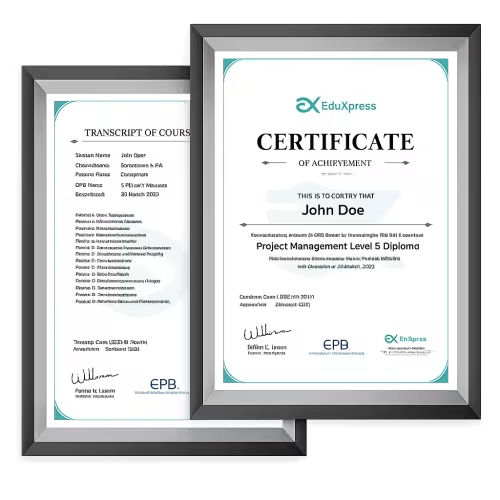
After successful completion, you can order a digital certificate documenting your learning in social media strategy, content marketing, paid advertising and campaign analytics. An optional printed certificate is available for £24.99.
Frequently Asked Questions
What is social media marketing?
What will I learn in the Advanced Diploma in Social Media Marketing?
Is this social media marketing course suitable for beginners?
What is the difference between digital marketing and social media marketing?
How do I create an effective social media marketing strategy?
Why is audience research important in social media marketing?
What is audience segmentation in social media marketing?
What is a buyer persona?
How can competitor analysis improve social media marketing?
What are content pillars in social media marketing?
How do I create a social media content calendar?
How often should a business post on social media?
What is brand voice on social media?
What is the difference between organic and paid social media marketing?
Which social media platform is best for business marketing?
How does Facebook marketing work for businesses?
What are effective Instagram marketing strategies?
How can LinkedIn be used for B2B marketing?
How can businesses use TikTok for marketing?
What is Meta Ads Manager?
How do I choose a paid social advertising objective?
How should I set a budget for social media advertising?
What is audience targeting in paid social advertising?
What are custom audiences and lookalike audiences?
What is retargeting in social media marketing?
Do social media advertising pixels require consent in the UK?
What is influencer marketing?
How do I choose the right influencer for a marketing campaign?
Do influencers have to label sponsored posts as ads in the UK?
What is community management on social media?
What is user-generated content in social media marketing?
What are social media KPIs?
What is the difference between reach and impressions?
What is engagement rate in social media marketing?
What does CTR mean in social media advertising?
What is cost per acquisition (CPA)?
What does ROAS mean in paid social marketing?
What is A/B testing in social media advertising?
How can I improve a poorly performing social media campaign?
What should a social media marketing report include?
How do I measure the success of a social media strategy?
Can small businesses benefit from social media marketing?
What jobs can social media marketing skills support?
How much does a social media manager earn in the UK?
Can I become a social media manager without a degree?
Can I study the Advanced Diploma in Social Media Marketing online while working?
Will I receive a certificate after completing the Advanced Diploma in Social Media Marketing?
Curriculum
- 1 Section
- 10 Lessons
- Lifetime
- Advanced Diploma in Social Media Marketing10 Items
- 1.1Module 01: Introduction to Social Media Marketing Strategy
- 1.2Module 02: Audience Research, Segmentation and Buyer Personas
- 1.3Module 03: Content Planning, Branding and Social Media Campaigns
- 1.4Module 04: Facebook, Instagram, LinkedIn, TikTok and Platform Strategies
- 1.5Module 03: Content Planning, Branding and Social Media Campaigns
- 1.6Module 04: Facebook, Instagram, LinkedIn, TikTok and Platform Strategies
- 1.7Module 06: Influencer Marketing, Community Building and Engagement
- 1.8Module 07: Social Media Analytics, KPIs and Campaign Optimisation
- 1.9Module 05: Paid Social Advertising, Targeting and Budget Management
- 1.10Module 08: Advanced Social Media Strategy, Reporting and Growth Planning