



Curriculum
- 5 Sections
- 44 Lessons
- Lifetime
Expand all sectionsCollapse all sections
- Speech and Language Therapy: Communication Disorders14 Items
- 1.1Module 01: Communication Disorders
- 1.2Module 02: Child Communication Disorders
- 1.3Module 03: Adult Communication Disorders
- 1.4Module 04: Diagnosing and Treating Communication Disorders
- 1.5Module 5: Literacy and Language Development
- 1.6Module 6: Child Speech & Language Disorders
- 1.7Module 7: How to Help a Child with Speech and Language Difficulties
- 1.8Module 8: Communication Disorders
- 1.9Module 9: Child Communication Disorders
- 1.10Module 10: Adult Communication Disorders
- 1.11Module 11: Diagnosing and Treating Communication Disorders
- 1.12Module 12: Overcoming Language Disorders through Speech Therapy
- 1.13Module 13: Literacy and Language Development
- 1.14Module 14: Overcoming Other Communication Disorders
- Order You Certificate!0 Items
- Leave a Review!0 Items
- Communication Skills15 Items
- 4.1Module 2: Verbal Communication
- 4.2Module 1: Introduction to Communication
- 4.3Module 3: Non-Verbal Communication
- 4.4Module 4: Written Communication
- 4.5Module 5: Listening Skills
- 4.6Module 6: Conflict Resolution
- 4.7Module 7: Intercultural Communication
- 4.8Module 8: Persuasive Communication
- 4.9Module 9: Public Speaking
- 4.10Module 10: Media Communication
- 4.11Module 11: Crisis Communication & Conflict Resolution
- 4.12Module 12: Communication in the Workplace
- 4.13Module 13: Communication and Technology
- 4.14Module 14: Communication and Leadership
- 4.15Module 15: Communication and Negotiation
- Document Control15 Items
- 5.1Module 01: Introduction to Document Control
- 5.2Module 02: Principles of Document Control and Elements of Document Control Environment
- 5.3Module 03: Document Control Lifecycle
- 5.4Module 04: Document Control Strategies and Instruments
- 5.5Module 05: Document Management
- 5.6Module 06: Quality Assurance and Controlling Quality of Documents
- 5.7Module 07: Project Document Control
- 5.8Module 08: Electronic Document Management Systems (EDMS) and Soft Copy Documentation
- 5.9Module 09: ISO Standards, Compliance, and Governance
- 5.10Module 10: Hard Copy Document Management
- 5.11Module 11: Soft Copy Document Management
- 5.12Module 12: Document Drawing Workflow
- 5.13Module 13: Document Distribution
- 5.14Module 14: Importance of Folder Structure Management
- 5.15Module 15: Document Numbering, Revision Schema, and Metadata
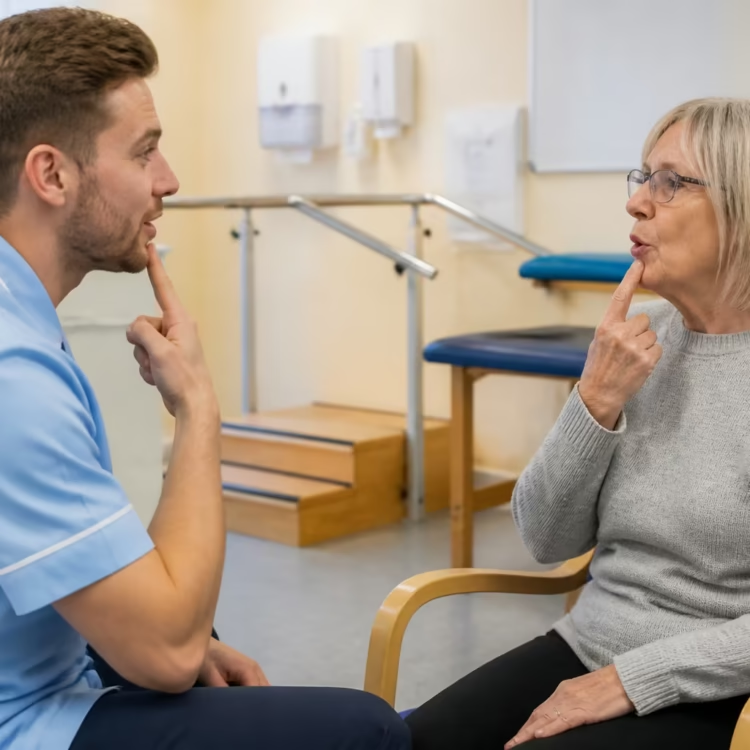
Speech and language therapy supports communication and swallowing needs. It helps people of all ages with speech sounds, understanding and using language, and everyday communication, as well as difficulties with eating and drinking. The focus is on helping people communicate more clearly and take part in daily life.
Communication disorders are difficulties with speech, language, or fluency. They include speech sound disorders, language disorders, stammering, and conditions like aphasia after illness or injury. These challenges can affect learning, relationships, and everyday activities by making it harder to understand or be understood.
Yes, this speech and language therapy course is CPD accredited. CPD means continuing professional development, showing the course supports learning and skills growth for people working in education, care, and support roles. It confirms quality training without being a professional licence.
No, this course does not qualify you as an SLT. In the UK, Speech and Language Therapists must complete an approved degree and register with the Health and Care Professions Council and the Royal College of Speech and Language Therapists. This course provides foundational CPD only.
This communication disorders course is suitable for support roles. It is ideal for teaching assistants, SEN staff, learning support assistants, SLT assistants, carers, and healthcare workers who support people with communication needs while working alongside qualified professionals in education and care settings.
This speech and language therapy course teaches communication support skills. You will learn about communication disorders, recognising red flags, supporting language and literacy, using inclusive communication strategies, and understanding when to refer concerns to qualified Speech and Language Therapists.
Yes, the course covers child communication disorders clearly. It includes speech sound disorders, developmental language disorder, early stammering, autism-related communication needs, and SEND contexts. The focus is on understanding and supporting children rather than diagnosing or treating conditions.
Yes, the course covers adult communication disorders. It includes aphasia after stroke, dysarthria, apraxia of speech, dementia-related communication changes, and adult fluency issues, helping learners understand how these affect daily communication and how to offer appropriate support.
You will learn about screening but not formal diagnosis. The course explains observation, recognising concerns, and when to refer, while making clear that diagnosis is carried out by qualified Speech and Language Therapists within the UK healthcare and education systems.
Yes, the course includes language development support strategies. It covers SLT-informed approaches such as modelling, scaffolding, visual supports, and creating language-rich environments, helping learners support communication in everyday settings without creating or delivering therapy plans.
Language development links directly to reading and writing skills. Vocabulary, comprehension, and phonological awareness support both spoken and written language, which is especially important in education and SEN settings where strong language skills help children understand, read, and express ideas more clearly.
Yes, the course covers AAC in practical terms. It includes low-tech and high-tech options, visual supports, and communication passports, helping learners understand how AAC supports communication and how to work with AAC users in inclusive, respectful ways.
The course is assessed using an online multiple-choice exam. There is a 60% pass mark, instant results, free retakes, and an optional reflective assignment, making the process flexible and supportive while confirming your understanding of communication disorders and support strategies.
The speech and language therapy course is self paced. You can study online around work and personal commitments, completing the learning in a timeframe that suits you, without fixed deadlines or pressure, making it ideal for busy education and care professionals.
This communication disorders course supports confidence in support roles. It helps you work more effectively in education and care settings and provides a foundation for further CPD or diploma study, without claiming to lead directly to qualification as a Speech and Language Therapist.