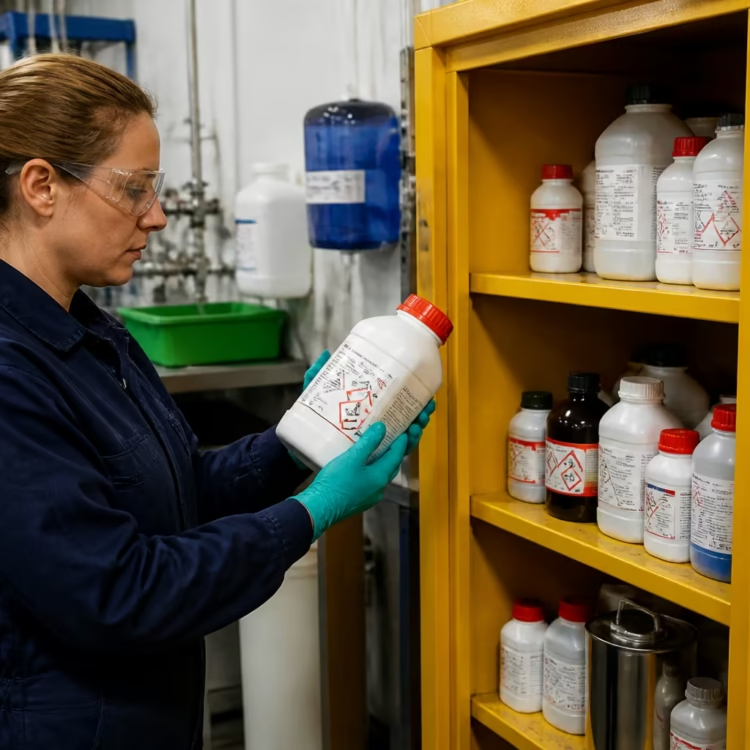
Effective pest control begins with understanding the problem, not simply treating its symptoms. Develop professional pest management knowledge, recognise infestation risks, understand UK regulatory responsibilities and explore integrated pest management strategies that protect people, property, food safety and the environment.
Pest Control Training: UK Regulations, Inspection & IPM is a comprehensive online training course designed to develop knowledge of professional pest management, infestation identification, inspection procedures and regulatory compliance. The course explores pest biology, preventative controls, rodent and insect management, treatment safety and professional documentation.
Pest infestations can threaten public health, contaminate food, damage property and disrupt commercial operations. Effective pest management requires accurate identification, systematic inspections, appropriate risk assessment and preventative measures that address the underlying conditions contributing to pest activity.
Our Pest Control Training course contains 10 structured modules covering UK legislation, COSHH, infestation monitoring, Integrated Pest Management (IPM), rodent control and insect management. You will also explore pest-proofing, environmental protection, treatment responsibilities, commercial premises management and practical inspection case studies.
What You’ll Learn to Put Into Action
- Understand professional pest control principles and the relationship between pest management, public health, property protection and environmental responsibility.
- Recognise common pest species, their biological characteristics, behavioural patterns and potential indicators of infestation.
- Explore UK pest control legislation, biocidal product regulations, COSHH requirements and professional responsibilities.
- Develop knowledge of pest inspection procedures, infestation monitoring, risk assessment and systematic identification of pest activity.
- Understand Integrated Pest Management (IPM), preventative strategies, environmental management and effective pest-proofing principles.
- Explore rodent management responsibilities, appropriate trapping considerations and responsible rodenticide stewardship.
- Develop awareness of insect infestations involving bed bugs, cockroaches, ants, wasps and flies.
- Understand pest management considerations across residential properties, food premises, hospitality businesses and commercial facilities.
- Explore safe treatment responsibilities, protective equipment, environmental protection, inspection documentation and professional reporting.
Who Is This Course For?
- Aspiring pest control technicians, pest management operatives and individuals preparing for further professional pest control qualifications.
- Facilities management professionals, property maintenance employees, housing officers and building managers.
- Food handlers, catering managers, restaurant owners and food manufacturing professionals responsible for hygiene and contamination prevention.
- Environmental health support staff, health and safety professionals and workplace compliance coordinators.
- Cleaning professionals, hospitality employees, warehouse supervisors and commercial property management personnel.
- Jobseekers, career changers, landlords and individuals seeking foundational knowledge of professional pest management and infestation prevention.
Why Choose Our Pest Control Training Course?
- Recognised CPD certification to support continuing professional development.
- 10 structured modules covering professional pest management, inspection and regulatory responsibilities.
- Explores relevant UK pest control legislation, COSHH and biocidal product requirements.
- Develops knowledge of common pest species, infestation indicators and systematic inspection procedures.
- Covers Integrated Pest Management, preventative measures and pest-proofing strategies.
- Explores rodent management, insect control, rodenticide stewardship and environmental protection.
- Includes commercial pest management considerations, professional reporting and scenario-based learning.
- 24/7 lifetime access to course materials.
- Flexible self-paced online study and efficient online assessment with instant results.
- Full tutor support on weekdays, Monday to Friday.
Career Path
Knowledge gained through Pest Control Training can support professional development across pest management, environmental health, property maintenance, facilities management and commercial hygiene services. Understanding pest identification, inspection procedures, preventative controls and regulatory responsibilities provides valuable foundational knowledge for progression towards specialist pest management roles.
- Pest Control Technician: Salary according to experience, professional qualifications and employer responsibilities.
- Pest Management Supervisor: Salary according to technical experience, supervisory responsibilities and employer.
- Commercial Pest Control Surveyor: Salary according to inspection experience, industry specialism and professional responsibilities.
- Health and Safety Adviser: £26,000–£48,000 per year
What the Course Covers
Module 01: Introduction to Professional Pest Control and Pest Management
Explore the foundations of professional pest control and its importance in protecting public health, food safety, residential properties and commercial operations. Understand how pest activity can contribute to contamination, property deterioration, operational disruption and environmental concerns across different working environments.
Develop awareness of professional pest management responsibilities, preventative approaches and ethical decision-making. Examine the importance of accurate pest identification, systematic inspections, appropriate intervention and ongoing monitoring when addressing infestations while protecting occupants, employees, non-target species and the wider environment.
Module 02: Pest Identification, Biology, Behaviour and Infestation Signs
Explore the biological characteristics, life cycles and behavioural patterns of common rodents and insect pests encountered within residential and commercial properties. Understand how feeding habits, shelter requirements, breeding conditions and environmental factors can influence pest distribution, activity and infestation development.
Develop awareness of infestation indicators, including droppings, gnaw marks, insect remains, damaged packaging, nesting materials and other physical evidence. Examine the importance of distinguishing suspected pest activity from confirmed identification and recognising when specialist assessment is necessary before selecting management interventions.
Module 03: UK Pest Control Legislation, COSHH and Professional Responsibilities
Explore the legal framework relevant to professional pest control, including workplace health and safety requirements, COSHH, applicable biocidal product regulations and wildlife protection legislation. Understand how legal responsibilities influence pest management decisions, treatment selection, occupational exposure controls and environmental protection.
Develop awareness of product authorisation conditions, professional competency requirements, animal welfare responsibilities and restrictions affecting protected species. Examine the importance of following current regulatory guidance, manufacturer instructions and organisational procedures, recognising that legal arrangements may differ across UK jurisdictions.
Module 04: Pest Inspection Techniques, Risk Assessment and Infestation Monitoring
Explore systematic pest inspection principles, including assessment of property conditions, potential entry points, evidence of pest activity and environmental factors supporting infestations. Understand how inspection findings help establish the nature and extent of a pest problem and inform appropriate management decisions.
Develop knowledge of infestation monitoring, inspection records, risk assessment and communication with property occupants or responsible personnel. Examine the importance of considering food contamination, vulnerable occupants, domestic animals, non-target wildlife and occupational hazards when planning professional pest management activities.
Module 05: Integrated Pest Management (IPM), Prevention and Pest-Proofing
Explore Integrated Pest Management as a structured approach combining inspection, prevention, monitoring and proportionate interventions. Understand how sanitation, building maintenance, waste management, food storage and exclusion measures can reduce conditions that encourage infestations and limit reliance on chemical treatments.
Develop awareness of pest-proofing responsibilities, environmental improvements and the importance of addressing underlying infestation causes. Examine how ongoing monitoring and review help determine whether management arrangements remain effective, supporting sustainable pest control and reducing unnecessary risks to people, animals and the environment.
Module 06: Rodent Control: Rats, Mice, Trapping and Rodenticide Stewardship
Explore the characteristics and behavioural patterns of common rat and mouse species associated with domestic and commercial infestations. Understand how food availability, shelter, property defects and environmental conditions can influence rodent activity, contamination risks and potential damage to buildings and stored materials.
Develop awareness of preventative rodent management, appropriate trapping considerations and responsible rodenticide stewardship. Examine the importance of animal welfare, product-specific restrictions, professional competence and reducing risks to non-target wildlife, pets and people when considering rodent management interventions.
Module 07: Insect Control: Bed Bugs, Cockroaches, Ants, Wasps and Flies
Explore common insect infestations involving bed bugs, cockroaches, ants, wasps and flies. Understand how differences in insect biology, feeding behaviours, breeding conditions and preferred habitats influence infestation development, identification requirements and potential risks within residential, hospitality and commercial environments.
Develop awareness of species-specific management considerations, preventative measures, environmental improvements and appropriate professional intervention. Examine the importance of accurate identification, monitoring and treatment suitability while considering occupant safety, beneficial insects, protected species and applicable product authorisation requirements.
Module 08: Pest Management in Homes, Food Premises and Commercial Properties
Explore pest management considerations across residential properties, restaurants, commercial kitchens, food manufacturing facilities, warehouses and other business premises. Understand how building layouts, food handling activities, waste arrangements, occupancy patterns and operational requirements influence infestation risks and appropriate preventative measures.
Develop awareness of pest management within food safety procedures, including contamination prevention, premises maintenance, monitoring documentation and professional contractor arrangements. Examine the importance of protecting food products, communicating with responsible personnel and adapting management procedures to the specific risks of different properties.
Module 09: Safe Pest Control Treatments, PPE and Environmental Protection
Explore safety responsibilities associated with professional pest control interventions, including hazardous substance awareness, exposure prevention, treatment suitability and appropriate protective equipment. Understand how risk assessments, product information and site-specific conditions influence decisions intended to protect workers, occupants and other affected individuals.
Develop awareness of environmental protection, non-target species risks, safe storage, waste management and incident reporting. Examine the importance of complying with authorised product conditions and applicable professional requirements, while recognising that practical treatment competence requires appropriate specialist instruction and experience.
Module 10: Pest Control Documentation, Treatment Reports and Practical Case Studies
Explore professional pest control documentation, including inspection findings, pest activity records, risk assessments, intervention records and preventative recommendations. Understand how accurate reporting supports communication, operational accountability, monitoring effectiveness and continuity of pest management services across residential and commercial properties.
Bring together the knowledge developed throughout the course through scenario-based learning involving suspected infestations, property maintenance concerns, food premises hygiene and environmental protection. Examine how inspection findings inform preventative recommendations, appropriate escalation, professional reporting and ongoing pest management reviews.
Accreditation & Recognition
Pest Control Training: UK Regulations, Inspection & IPM is a CPD-accredited online course designed to support continuing professional development in professional pest management, infestation inspection and regulatory responsibilities. It provides structured learning in pest identification, preventative controls, IPM, treatment safety and professional documentation.
After successfully completing the course assessment, learners can order a recognised CPD-accredited certificate as evidence of their learning achievement. The certificate can complement professional CVs, workplace training records and continuing professional-development portfolios across pest management, facilities management, commercial hygiene and property maintenance environments.
- Recognised CPD certification focused on professional pest management, inspection procedures and workplace compliance responsibilities.
- Comprehensive coverage of 10 structured modules addressing UK regulations, Integrated Pest Management, rodent control, insect management and environmental protection.
- 100% online and self-paced study with lifetime access to course materials.
- Online assessment designed to check understanding of the subjects covered.
- Option to order a CPD-accredited digital certificate after successful completion.
- Printed certificate available for £24.99.
Assessment & Certification: Pest Control Training
The course includes an online assessment designed to evaluate your understanding of professional pest management principles, inspection procedures and regulatory responsibilities covered throughout the training. Learners can complete the assessment as part of flexible online study, with efficient assessment and instant results available upon completion.
The assessment covers pest identification, infestation indicators, UK legislation, COSHH, risk assessment and Integrated Pest Management. It also examines understanding of rodent and insect management, commercial pest control responsibilities, protective equipment, environmental protection, treatment documentation and professional reporting.

After successfully passing the assessment, you can order a PDF version of the CPD-accredited certificate to record your learning achievement in pest control and professional pest management. An optional printed certificate is available for £24.99. Certification can support your professional CV, workplace training records and continuing professional-development portfolio.
Frequently Asked Questions
What is Pest Control Training?
What does a pest control technician do?
What is the difference between pest control and pest management?
Do you need a licence to become a pest controller in the UK?
What qualifications do pest control technicians need?
What legislation applies to pest control in the UK?
Professional pest management involves several regulatory areas, depending on the species, premises, products and activities involved.
| Legislation or Framework | Relevance to Pest Control |
|---|---|
| Health and Safety at Work etc. Act 1974 | General occupational health and safety responsibilities in Great Britain. |
| COSHH Regulations 2002 | Assessment and management of hazardous substance exposure in Great Britain. |
| Applicable Biocidal Products Regulations | Authorisation and conditions governing relevant pest control products. |
| Control of Pesticides Regulations 1986 | Approval requirements for relevant products remaining within the applicable regulatory scheme. |
| Wildlife and Countryside Act 1981 | Wildlife protection and restrictions affecting particular species and control methods in Great Britain. |
| Prevention of Damage by Pests Act 1949 | Relevant duties and powers concerning rats and mice in Great Britain. |
| Applicable Food Hygiene Legislation | Contamination prevention and suitable pest management arrangements within food businesses. |
Requirements differ according to jurisdiction and the nature of the activity. Professionals must follow current official guidance, applicable legislation and product-specific conditions.
What is COSHH in pest control?
What is the difference between a biocide and a plant protection product?
What is Integrated Pest Management (IPM)?
What are the main stages of Integrated Pest Management?
A professional IPM programme can be organised around five connected stages that support preventative and sustainable pest management.
Identify
Establish the suspected pest species and relevant evidence before making management decisions.
Inspect and Assess
Evaluate property conditions, infestation indicators, environmental factors and potential risks.
Prevent
Address food availability, waste management, entry points and environmental conditions supporting pest activity.
Manage
Select proportionate and lawful interventions appropriate to the identified pest and site-specific risks.
Monitor and Review
Evaluate ongoing pest activity, document findings and review the effectiveness of management arrangements.
This framework provides a general learning model. Professional interventions must reflect species-specific requirements, site conditions and applicable legal responsibilities.
What are the benefits of Integrated Pest Management?
What are the most common pests found in UK properties?
Residential and commercial properties may experience different pest problems depending on building conditions, environmental factors and operational activities.
| Common Pest | Potential Infestation Indicators |
|---|---|
| Rats | Droppings, gnaw damage, burrows and movement noises. |
| Mice | Small droppings, damaged packaging and nesting materials. |
| Bed Bugs | Live insects, shed skins and dark spotting around harbourage areas. |
| Cockroaches | Live insects, droppings, egg cases and shed skins. |
| Ants | Visible insect trails and repeated activity around suitable food sources. |
| Wasps | Repeated insect movement around a possible nest entrance. |
| Flies | Persistent adult fly activity or evidence of breeding material. |
These indicators are not definitive proof of a particular species. Accurate identification and appropriate inspection are important before selecting management measures.
What is a professional pest inspection?
What should be included in a pest inspection checklist?
A pest inspection checklist should reflect the premises, suspected species, environmental conditions and relevant operational risks.
- Property type, location and inspection date.
- Reported pest concerns and previous infestation history.
- Visible evidence of pest activity.
- Potential pest access points and building defects.
- Food storage and waste management conditions.
- Cleaning standards and environmental maintenance.
- Potential risks to occupants, employees and animals.
- Existing pest monitoring arrangements.
- Preventative recommendations and required corrective actions.
- Follow-up inspection and monitoring arrangements.
Professional inspection checklists should be adapted to the particular site rather than treated as a universal specification for every infestation.
Why is pest identification important before treatment?
What is pest-proofing?
What attracts rodents to residential and commercial properties?
What is the difference between rat and mouse infestation signs?
What is rodenticide stewardship in the UK?
What is the Campaign for Responsible Rodenticide Use (CRRU)?
Does this course qualify me to purchase professional rodenticides?
What is secondary poisoning in pest management?
What are the signs of a bed bug infestation?
Do bed bugs indicate poor hygiene?
Why are cockroaches a concern in food premises?
Why is accurate identification important when managing wasps and bees?
Is pest control a legal requirement for food businesses?
Do restaurants legally need a professional pest control contract?
How does pest control relate to HACCP?
What should a food business do if pest activity is discovered?
Suspected pest activity within a food business should be taken seriously and addressed through appropriate food safety procedures.
- Protect food, equipment and food preparation areas from potential contamination.
- Stop affected activities where food safety cannot be maintained.
- Identify and isolate potentially contaminated food.
- Inform responsible managers and arrange appropriate pest assessment.
- Document the findings and necessary corrective actions.
- Review cleaning, maintenance and preventative arrangements.
- Seek local authority or specialist guidance where required.
Operations should resume only when relevant food safety risks have been appropriately addressed.
Can pest infestations affect a food hygiene rating?
How often should commercial premises be inspected for pests?
Who is responsible for pest control in rented properties?
What is a pest control risk assessment?
What PPE do pest control technicians need?
Why are safety data sheets important in pest control?
Can pest controllers remove protected wildlife?
What is environmentally responsible pest control?
What should be included in a professional pest control report?
A professional pest control report should provide an accurate account of the inspection, relevant findings, management activities and recommended follow-up arrangements.
- Client details and premises identification.
- Inspection date and responsible technician details.
- Reported concerns and relevant infestation history.
- Confirmed or suspected pest species.
- Inspection findings and affected locations.
- Identified environmental and occupational risks.
- Details of any authorised management activities.
- Preventative and pest-proofing recommendations.
- Required corrective actions and responsible personnel.
- Follow-up monitoring and review arrangements.
Documentation must reflect the particular activities undertaken and any applicable regulatory, product-specific or contractual reporting requirements.
What is the difference between a pest inspection report and a treatment report?
What would a professional pest management case study involve?
Example Scenario: Suspected Rodent Activity in a Commercial Kitchen
A restaurant supervisor discovers damaged food packaging and suspected rodent droppings inside a storage area. Staff also report deterioration around a service opening and inconsistent waste management arrangements.
Professional considerations:
- Protect food from potential contamination and assess immediate operational risks.
- Arrange appropriate inspection and establish the nature of the suspected pest activity.
- Identify building maintenance and environmental conditions requiring corrective action.
- Review existing hygiene, waste management and monitoring arrangements.
- Obtain competent professional assistance for any necessary specialist intervention.
- Document findings, communicate responsibilities and arrange appropriate follow-up.
This scenario demonstrates how IPM connects inspection, food safety, preventative maintenance, professional intervention and ongoing monitoring rather than treating pest control as an isolated activity.
Is Pest Control Training suitable for beginners?
Is this course suitable for food safety managers and restaurant owners?
Can facilities managers benefit from Pest Control Training?
Can employers use this course for staff pest awareness training?
Is this Pest Control Training approved by BPCA?
Is this the same as the RSPH Level 2 Award in Pest Management?
Can I start a pest control business after completing this course?
What careers can Pest Control Training support?
How much does a pest control technician earn in the UK?
Can I complete Pest Control Training online?
How long does it take to complete Pest Control Training?
Do I need previous pest control experience to enrol?
Will I receive a certificate after completing Pest Control Training?
Why Study Pest Control Training: UK Regulations, Inspection & IPM?
Professional pest management requires an understanding of pest behaviour, environmental conditions, regulatory responsibilities and appropriate preventative measures. Developing knowledge of infestation inspection, risk assessment and Integrated Pest Management can help individuals recognise potential concerns and contribute to safer, more hygienic and sustainable environments.
Pest Control Training brings together 10 structured modules covering pest identification, UK regulations, COSHH, inspection techniques, infestation monitoring and preventative pest-proofing. The course also explores rodent and insect management, commercial premises requirements, treatment safety, environmental protection and professional documentation.
With flexible online study, lifetime access, recognised CPD certification, online assessment and weekday tutor support, our Pest Control Training course provides a structured approach to professional development. Enrol today and strengthen your understanding of responsible pest management, infestation prevention and workplace compliance across multiple professional environments.
Curriculum
- 1 Section
- 10 Lessons
- 10 Weeks
- Pest Control Training: UK Regulations, Inspection & IPM10 Items
- 1.1Module 01: Introduction to Professional Pest Control and Pest Management
- 1.2Module 02: Pest Identification, Biology, Behaviour and Infestation Signs
- 1.3Module 03: UK Pest Control Legislation, COSHH and Professional Responsibilities
- 1.4Module 04: Pest Inspection Techniques, Risk Assessment and Infestation Monitoring
- 1.5Module 05: Integrated Pest Management (IPM), Prevention and Pest-Proofing
- 1.6Module 06: Rodent Control: Rats, Mice, Trapping and Rodenticide Stewardship
- 1.7Module 07: Insect Control: Bed Bugs, Cockroaches, Ants, Wasps and Flies
- 1.8Module 08: Pest Management in Homes, Food Premises and Commercial Properties
- 1.9Module 09: Safe Pest Control Treatments, PPE and Environmental Protection
- 1.10Module 10: Pest Control Documentation, Treatment Reports and Practical Case Studies