
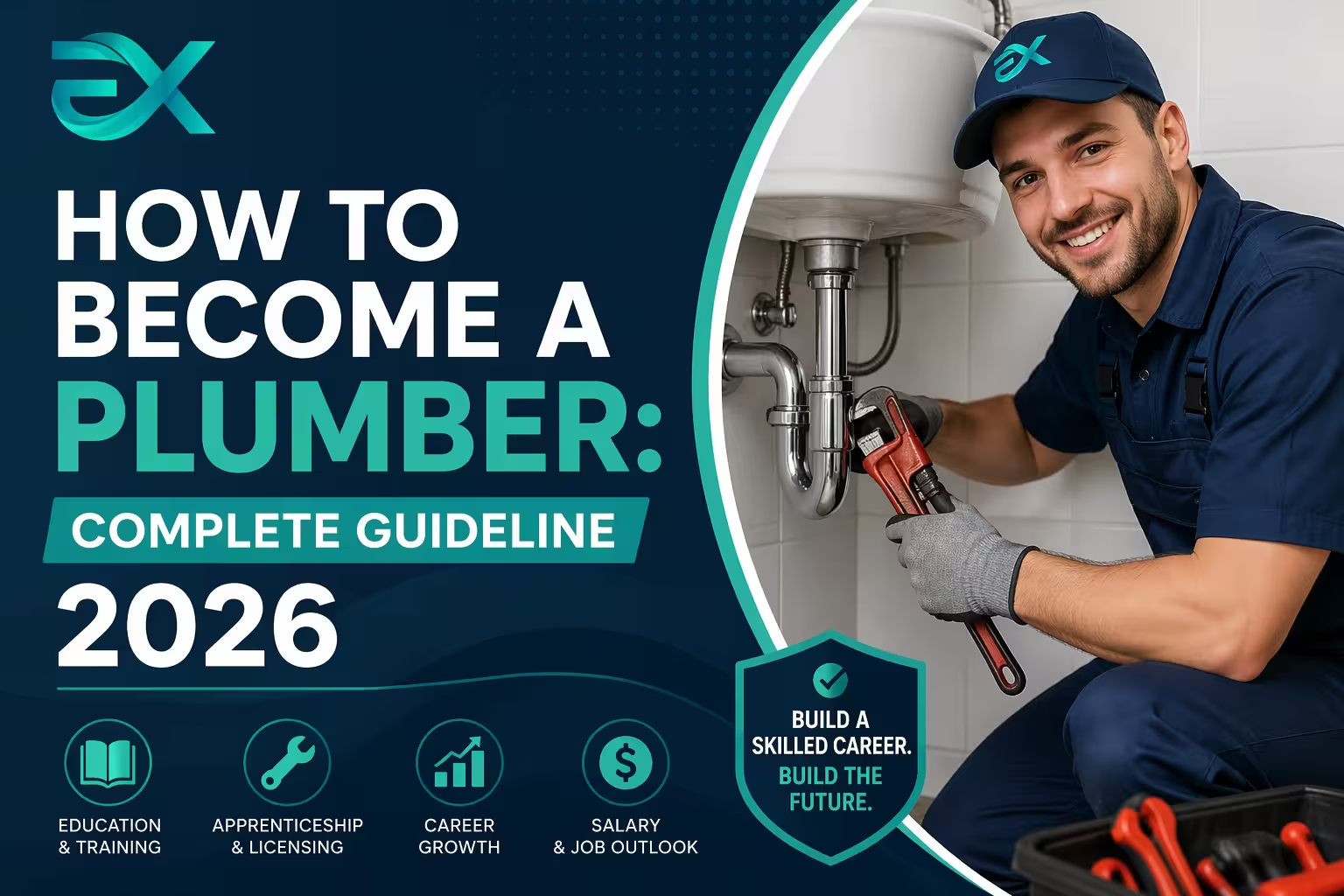
“How to become a plumber” is one of the most searched topics in the UK. The demand for skilled plumbers…
“How to become a plumber” is one of the most searched topics in the UK. The demand for skilled plumbers continues to rise, making it one of the most secure and rewarding trade careers in the UK. In the UK alone the construction and maintenance sector employs over 200,000 plumbing professionals, with job vacancies steadily increasing due to housing expansion and infrastructure upgrades. According to industry reports, qualified plumbers can earn between £28,000 and £45,000 per year, with experienced specialists and self-employed professionals often exceeding £50,000 annually. This strong earning potential, combined with consistent job demand, makes plumbing an attractive and future-proof career choice.
In this complete guideline, you’ll discover everything you need to start and succeed in this profession. We’ll cover the essential qualifications and training routes, including apprenticeships and certification pathways, along with the skills required to thrive in real-world plumbing jobs. You’ll also explore career progression opportunities, salary expectations, and practical steps to land your first role. Whether you’re starting from scratch or considering a career switch, this guide provides a clear roadmap to becoming a professional plumber.
A plumber is a skilled tradesperson who installs, maintains, and repairs water supply systems, drainage networks, and heating systems. Their work spans residential homes, commercial buildings, and large-scale industrial projects. From fitting pipes and bathrooms to maintaining boilers and water systems, plumbers ensure everything runs safely and efficiently. In emergency situations, they are called upon to fix urgent issues like burst pipes, blocked drains, and system breakdowns—making their role essential in everyday life.
Plumbing remains one of the most in-demand skilled trades because water and sanitation systems are critical to modern living. With continuous housing development, ageing infrastructure, and stricter safety regulations, the need for qualified plumbers keeps growing. Unlike many careers affected by automation, plumbing requires hands-on expertise and problem-solving skills that cannot be easily replaced.
The pathway into plumbing is straightforward and practical. Most people start as apprentices, learning on the job while gaining formal qualifications. After completing training, they become fully qualified plumbers, often specialising in areas such as heating, gas systems, or maintenance. With experience, many professionals move into self-employment or start their own plumbing business, offering greater flexibility and higher earning potential.
Plumbing offers a strong combination of earning potential, job security, and variety. No two days are the same—you could be installing new systems one day and solving complex problems the next. For those who prefer hands-on work and a stable career with long-term growth opportunities, plumbing stands out as a smart and rewarding choice in 2026
Installs and repairs water supply, drainage, and heating systems.
Essential trade with continuous job growth across the UK.
Apprentice → Qualified Plumber → Specialist / Business Owner
Stable, hands-on career with strong earning potential.
Plumbing work is broadly divided into residential and commercial sectors. Residential plumbers focus on homes, handling tasks like installing bathrooms, fixing leaks, and maintaining household water systems. In contrast, commercial plumbers work on larger and more complex systems found in offices, schools, hospitals, and industrial buildings. These projects often involve advanced pipe networks, higher safety standards, and larger-scale installations, making commercial plumbing more technical and sometimes higher-paying.
Many plumbers specialise in both plumbing and heating systems, expanding their skill set and earning potential. This includes installing and maintaining boilers, radiators, and underfloor heating systems. Heating specialists often work with central heating systems, ensuring efficient energy use and compliance with safety regulations. This dual expertise is highly valued, especially in colder regions where heating systems are essential year-round.
Emergency plumbing involves responding to urgent issues such as burst pipes, severe leaks, blocked drains, or heating failures. These situations require immediate attention, often outside normal working hours. Because of the urgency and unsociable hours, emergency plumbers typically earn higher rates, including call-out fees and overtime pay. It’s a fast-paced and demanding area, but highly rewarding for those who can handle pressure.
Fitting and installation is a core part of plumbing, covering the setup of bathrooms, kitchens, and full water systems. This includes installing sinks, toilets, showers, pipework, and appliances like dishwashers and washing machines. Precision and attention to detail are key, as proper installation ensures long-term performance and prevents costly issues later on. Many plumbers specialise in renovation and new-build projects within this category.
Ongoing service and maintenance work provides steady, reliable income for plumbers. This can include routine inspections, system servicing, leak detection, and preventative maintenance for both residential and commercial clients. Many businesses and property owners hire plumbers on long-term contracts to ensure their systems remain in good working condition. For plumbers, this type of work offers consistency and the opportunity to build long-term client relationships.
| Category | Residential Plumbing | Commercial Plumbing |
|---|---|---|
| Work Type | Homes, apartments, domestic systems | Large buildings like offices, hospitals, factories |
| Complexity | Standard pipework and repairs | Advanced large-scale systems |
| Main Tasks | Leaks, bathrooms, kitchen plumbing | Industrial pipe networks and infrastructure |
| Skill Level | Entry–intermediate level | Advanced technical expertise |
| Earning Potential | Moderate income range | Higher earning potential |
| Work Environment | Domestic, flexible jobs | Regulated commercial sites, strict compliance |
| Career Focus | Home services & repairs | Large-scale engineering projects |
There are two main ways to become a qualified plumber in the UK: college-based courses and apprenticeships. Most beginners start with a structured training course to learn the fundamentals, then move into practical, on-site experience. Vocational qualifications combine classroom learning with hands-on skills, helping you build competence step by step before working independently.
The most recognised qualifications are NVQ (or SVQ in Scotland) Level 2 and Level 3 in Plumbing and Heating.
These courses are available full-time at colleges or part-time for career changers, allowing flexibility depending on your situation. Level 2 is considered the entry point, while Level 3 is often required to become a plumber who is fully qualified and can work independently.
A great starting point is this CPD-accredited course:
In addition to NVQs, awarding bodies like City & Guilds and BTEC offer recognised diplomas in plumbing. These qualifications focus on practical training and theory, often acting as a stepping stone toward NVQs. Many learners complete a Level 2 diploma first, then progress into an NVQ through work-based assessment.
Online courses are a useful starting point, especially for beginners exploring the trade or learning theory at their own pace. However, plumbing is a practical profession, so hands-on training is essential.
What to look for in a reputable course:
A blended approach—starting online, then moving to practical training—is often the most effective route.
A plumbing apprenticeship is the most traditional and widely recommended path. It typically lasts 2 to 4 years and combines paid work with formal training. During this time, you’ll work alongside experienced plumbers while studying towards an NVQ Level 2 or 3 qualification.
You’ll learn how to:
You can find plumbing apprenticeship opportunities through:
Search for roles like “plumber apprentice jobs” and apply with a CV highlighting any relevant skills or training.
One of the biggest advantages of apprenticeships is that you earn while you train. Typical apprentice salaries range from around £15,000 to £25,000 per year, increasing as you gain experience and skills.
Once qualified, additional certifications can significantly increase your earning potential and job opportunities:
These certifications allow you to specialise and take on higher-paying work, particularly in heating and energy systems.
In Eduxpress, we have a CPD-Accredited course titled Online Plumbing Course – CPD Accredited. If you’re planning to start a career in plumbing—or already working in the field and aiming to expand your skills—this course could be the ideal pathway to strengthen your knowledge and take your career to the next level.
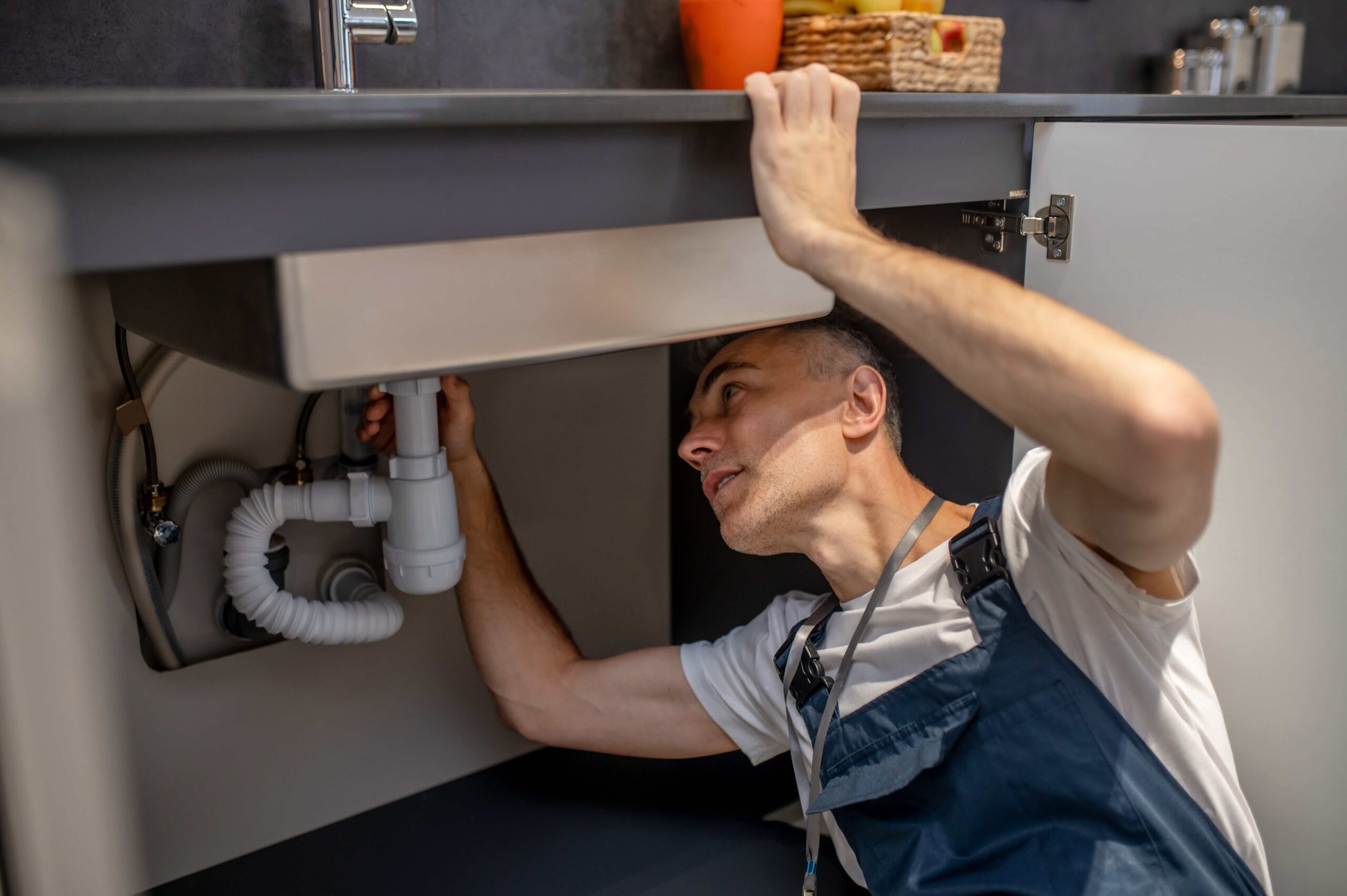
The Online Plumbing Course. Start your journey into a high-demand skilled trade with our CPD Accredited Online Plumbing Course. Learn essential plumbing systems, installation, and maintenance skills at your own pace. Gain industry-relevant knowledge designed for real-world career success.
Enrol Now →When starting out, you don’t need a massive investment—but you do need the right basics. A typical trainee plumber toolkit includes:
These tools form the foundation of your daily work. For example, pipe cutters ensure smooth, leak-free connections, while adjustable wrenches provide versatility across different pipe sizes.
Many beginners start with a basic toolkit set, which typically includes 7–25 essential tools for installation and maintenance tasks.
As you gain experience, you’ll expand into more advanced equipment:
These tools allow you to take on more complex jobs, especially in commercial plumbing or heating systems. Many professional kits already include items like pipe benders and multiple cutters for different pipe sizes.
Plumbing tools can be purchased from:
Trade counters are especially useful because they offer expert advice, professional-grade tools, and access to trusted brands. Many plumbers prefer buying from specialist suppliers rather than general stores to ensure quality and durability.
To source materials like pipes, fittings, and valves, you’ll need reliable plumbing merchants. The easiest way is to search for “plumber merchants near me” or visit well-known UK suppliers such as:
These merchants provide everything from basic fittings to specialist equipment, often with same-day collection for trade professionals.
Your initial investment depends on your entry route:
A smart strategy is to start with mid-range tools, then upgrade as you gain experience. Many professionals recommend buying affordable tools first and replacing frequently used ones with higher-quality versions over time.
Includes pipe cutters, adjustable wrenches, pliers, hacksaws, tape measures, and sealing tools. These essentials help you complete everyday plumbing tasks efficiently and accurately.
As you progress, you’ll use pipe benders, pressure testers, thermal cameras, and drain inspection tools to handle complex residential and commercial jobs.
Purchase from trade counters, hardware stores, and trusted suppliers like Screwfix, Toolstation, and Wolseley for professional-grade equipment and advice.
Start smart and scale your toolkit as you grow in experience and workload.
Plumbing offers a clear salary progression, with earnings increasing significantly as you gain experience and qualifications. In 2026, the typical UK pay structure looks like this:
This means plumbing can quickly surpass the UK average salary, especially once you specialise or go self-employed.
There is a major difference between working for a company and running your own business:
However, self-employment comes with added costs (tools, insurance, travel), so income can vary depending on workload and reputation.
Instead of fixed salaries, many plumbers—especially self-employed—earn based on jobs and time:
This flexible pricing model allows skilled plumbers to significantly increase their income compared to fixed salaries.
Plumbers who gain additional certifications (like Gas Safe) can work on boilers and heating systems—one of the highest-paying areas in the trade. These specialists often earn £10,000–£20,000 more annually than general plumbers.
Emergency plumbing (nights, weekends, urgent repairs) commands premium rates. Many plumbers double their hourly rate for urgent call-outs, making this a highly profitable niche.
Where you work has a huge impact on earnings:
Higher living costs are a factor, but demand and pricing power are significantly stronger in these regions.
The biggest income jump comes from starting your own plumbing business. Business owners can earn £50,000 to £100,000+, depending on scale, team size, and client base.
Plumbers with Gas Safe certification can work on boilers and heating systems.
Urgent plumbing work commands premium pricing.
Up to 2× higher earnings per hour during emergencies
Business ownership unlocks the highest earning potential.
Finding plumbing work is easier than ever with dedicated job platforms and trade networks. Some of the most effective places to search for plumber jobs include:
Using a mix of job boards and trade platforms gives you access to both full-time roles and freelance opportunities.
There are two main routes when starting your plumbing career:
Many plumbers start employed, then transition to self-employment once they have confidence, contacts, and steady demand.
Long-term success in plumbing often comes down to reputation. Satisfied customers are your best marketing tool.
Happy clients are more likely to recommend you to friends, family, and colleagues. Over time, referrals can become your main source of consistent work—especially for self-employed plumbers.
In 2026, having an online presence is essential. Platforms like:
allow you to showcase your work, collect reviews, and attract local customers. Posting before-and-after photos, customer testimonials, and service updates can significantly boost your visibility. A well-optimised Google Business profile helps you appear in local searches like “plumber near me”, driving steady enquiries.
Becoming a member of recognised trade bodies can strengthen your professional image and increase trust with clients. Key organisations include:
Membership often provides training resources, networking opportunities, and certification that reassures customers you meet industry standards.
A career in plumbing in the UK follows a clear and structured progression, with strong opportunities for salary growth as skills and experience develop. Most plumbers begin their journey as apprentices, where they combine on-the-job training with classroom learning through a Level 2 or Level 3 Plumbing Apprenticeship. During this stage, which typically lasts around 3 to 4 years, earnings start at approximately £12,000–£15,000 in the first year and can rise to around £22,000–£30,000 by the final years of training. Although pay is modest at this stage, apprentices gain essential practical experience in pipework, heating systems, and installations that form the foundation of their career.
Once qualified, plumbers move into entry-level or newly qualified roles. At this point, they can work independently on basic domestic plumbing tasks such as repairs, bathroom fittings, and simple heating installations. The average salary for newly qualified plumbers in the UK ranges from £24,000 to £32,000 per year. This stage is crucial for building confidence, improving efficiency, and developing a reputation for reliability in the trade.
With a few years of experience, plumbers progress into mid-level or experienced roles, typically after 3 to 10 years in the industry. At this stage, earnings increase significantly, with most plumbers earning between £32,000 and £45,000, while highly experienced professionals can earn £50,000 or more, especially in busy urban areas or specialised sectors. Experienced plumbers often take on more complex projects such as full heating system installations, renovations, and large-scale repair work, and may begin specialising in areas like central heating, drainage systems, or bathroom design.
A major step in career progression comes with becoming a Gas Safe registered engineer. This qualification allows plumbers to legally work on gas appliances such as boilers and heating systems, which significantly increases earning potential. Gas Safe engineers in the UK typically earn between £35,000 and £55,000 when employed, while self-employed professionals can earn £50,000 to £80,000 or more depending on workload and reputation.
Many plumbers eventually move into self-employment, which offers the potential for much higher earnings but also requires strong business and customer management skills. Self-employed plumbers in the UK typically earn between £40,000 and £70,000 per year, while those with a strong client base and emergency call-out work can exceed £70,000 annually. Income at this stage is highly dependent on pricing, workload, and local demand.
At the highest level, experienced plumbers may go on to establish their own plumbing businesses. Business owners can significantly scale their income by hiring staff, taking on commercial contracts, and managing multiple projects simultaneously. Earnings at this stage can range from £60,000 to over £200,000 per year, depending on the size and success of the business.
Overall, plumbing in the UK offers one of the most reliable and flexible career paths in the skilled trades. With continuous demand, clear progression routes, and strong earning potential, it remains a highly attractive long-term profession.
Becoming a plumber in the UK is one of the most practical and financially rewarding career choices in the skilled trades sector. Unlike many professions that require long academic pathways, plumbing offers a direct, structured route into employment through apprenticeships, vocational training, and on-the-job experience.
From starting as an apprentice earning while you learn, to progressing into a fully qualified plumber, and eventually moving into specialist roles, self-employment, or even running your own plumbing business, the career path is clear and flexible. Each stage brings noticeable improvements in both responsibility and income, with many plumbers reaching £30,000–£45,000 within just a few years and significantly more as they specialise or become self-employed.
What makes plumbing especially attractive is its long-term stability. The UK continues to face a consistent shortage of skilled tradespeople, meaning demand for qualified plumbers remains strong across domestic, commercial, and emergency services. Combined with opportunities to gain additional certifications such as Gas Safe registration, plumbers can continuously expand their earning potential and career options.
Ultimately, plumbing is not just a job—it is a career that rewards skill, experience, and ambition. Whether you are starting from scratch, changing careers, or looking for a secure trade with strong future prospects, plumbing offers a reliable pathway to financial independence and professional growth in 2026 and beyond.
A practical, high-demand career with strong earning potential and long-term stability
Unlike traditional academic careers, plumbing offers a direct route into employment through apprenticeships and hands-on training.
Start as an apprentice and progress to £30,000–£45,000+ within a few years, with higher earnings in specialist roles.
Move from apprentice → qualified plumber → specialist → self-employed → business owner with scalable income.
Skilled trades are in shortage, ensuring consistent demand across domestic, commercial, and emergency plumbing work.
Gain Gas Safe certification and other qualifications to significantly increase your earning potential.
Plumbing offers a secure, future-proof career with continuous demand and opportunities for self-employment.
Plumbing is more than a job — it is a pathway to financial independence, flexibility, and long-term professional growth in 2026 and beyond.